The First American School Shooting: Brenda Spencer's Deadly Monday
In January 1979, a new and terrifying chapter in American history began when 16-year-old Brenda Spencer opened fire on Cleveland Elementary School in San Diego, California. This marked the first recorded school shooting in United States history, setting a tragic precedent that would unfortunately be followed many times in subsequent decades.
The Morning of Terror
From her home directly across the street from the school, Spencer used a .22 caliber semi-automatic rifle to target children arriving for classes. Within minutes, she had killed school principal Burton Wragg and janitor Mike Suchar, while wounding eight children and a police officer who responded to the scene. The attack unfolded with shocking speed, leaving the community reeling.
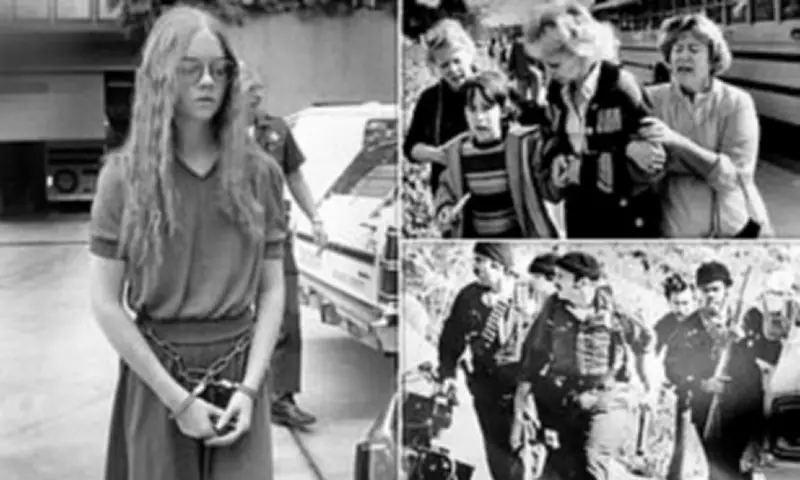
As the shooting continued, terrified parents gathered outside the school while SWAT teams took positions around Spencer's residence. The remaining children were evacuated by bus to another location, where frantic parents were directed to collect them. Meanwhile, crowds of onlookers, journalists, and curious bystanders created additional challenges for law enforcement.

The Seven-Hour Standoff
Police negotiator Detective Paul Olson established contact with Spencer approximately four hours into the siege. Their conversation revealed a disturbed teenager who showed little remorse for her actions. When asked why she had embarked on her murderous spree, Spencer famously responded, "I don't like Mondays."
During their extended dialogue, Spencer displayed chilling detachment from her victims. She described watching children "squirm around after they had been shot" and compared them to "a herd of cows standing around the one that was shot." She specifically mentioned targeting children wearing red or blue ski jackets, saying "it was like shooting ducks in a pond."
Spencer revealed details about her troubled life during the negotiation. She admitted to using various drugs, including marijuana and downers, and drinking alcohol before the attack. She spoke of carrying knives regularly and having violent confrontations with friends. Despite this, blood tests conducted after her arrest showed no evidence of stimulants in her system.
Surrender and Aftermath
After seven hours, Spencer finally agreed to surrender. She emerged from her house carrying her weapons wrapped in a sweatshirt, placing them on the ground before returning inside to collect ammunition. When she exited a second time with boxes of .22 caliber rounds, SWAT officers moved in to apprehend her.
The world got its first look at the teenage sniper: a slight, 5-foot-1-inch girl weighing just six-and-a-half stone, with long orange hair and dressed in boys' clothing. She appeared much younger than her 16 years.
Legal Proceedings and Incarceration
Spencer pleaded guilty to two counts of first-degree murder and multiple counts of assault with a deadly weapon. During her court appearance, she showed emotion for the first time, tearfully admitting, "I shot from my house and killed two people." She received a sentence of 25 years to life with the possibility of parole.
Now 47 years after the attack, Spencer remains incarcerated at the California Institution for Women in Corona. Her numerous parole applications have been consistently denied, with victims and their families vehemently opposing her release.
The Lasting Impact
The Cleveland Elementary shooting gained international notoriety when Bob Geldof's band The Boomtown Rats released "I Don't Like Mondays," inspired by Spencer's explanation for her actions. The song propelled the tragedy into popular culture and made Spencer one of America's most infamous criminals.
Survivors of the attack continue to live with physical and emotional scars. Cam Miller, who was nine years old when Spencer shot him just one inch from his heart, told parole boards: "She clearly has no regard for human lives. She is a cold-hearted ruthless murderer who needs to be in prison for the rest of her life."
Crystal Hardy, shot through the wrist at age ten, added: "I have images of those bodies in the bushes, and they never leave me. Nothing can fix that."

Unanswered Questions
Despite extensive psychological evaluation over nearly five decades, Spencer's motivations remain unclear. She has offered various explanations over the years, including claims of sexual abuse by her father (which he denies), being under the influence of drugs and alcohol, and hearing voices that compelled her to shoot.
Parole boards have consistently found that Spencer has not taken full responsibility for her actions, noting discrepancies between her various accounts and the evidence from the day of the shooting. While she has been a model prisoner—participating in rehabilitation programs, earning vocational certifications, and helping other inmates—this has not been sufficient to secure her release.
The 1979 Cleveland Elementary shooting established a tragic pattern in American society. As school shootings have become more frequent in subsequent decades, Spencer's case continues to be referenced as the beginning of this disturbing phenomenon. Her crime serves as a grim reminder of the lasting trauma such violence inflicts on communities and the complex challenges of understanding what drives individuals to commit such acts.