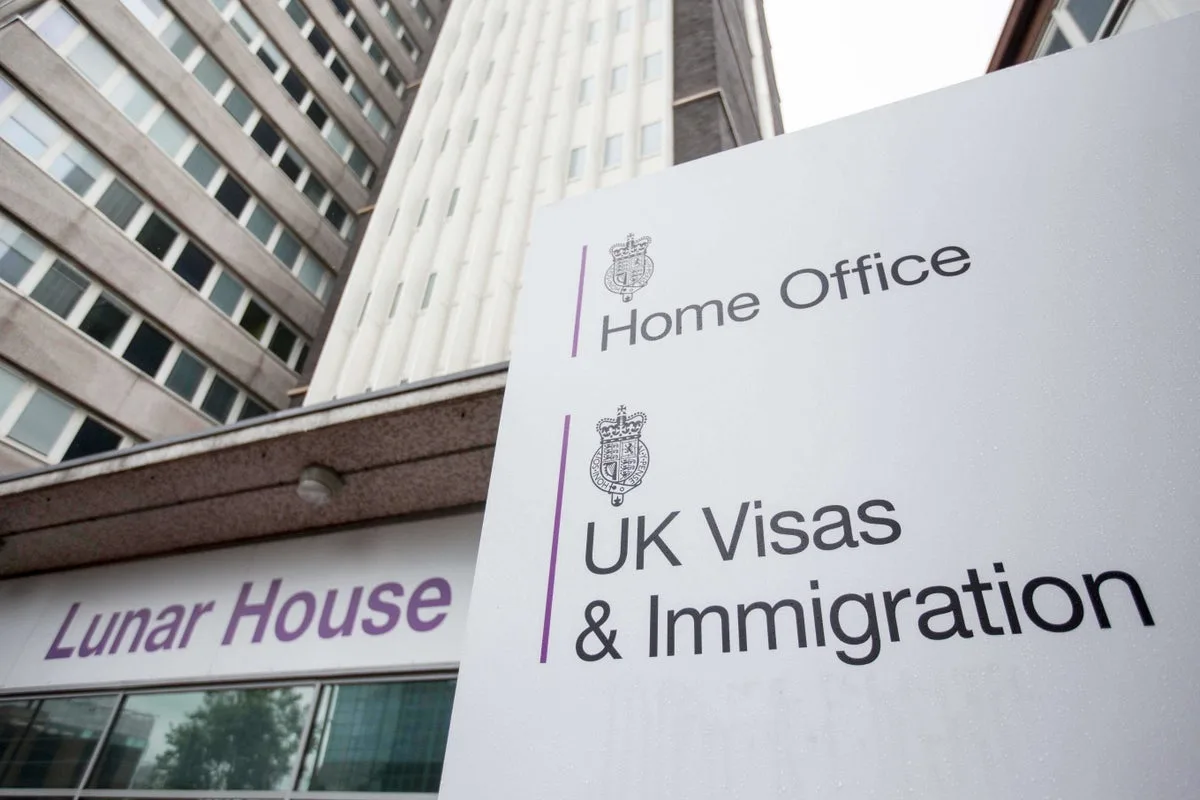
The Home Office has initiated a formal investigation into alarming reports that migrants are purchasing counterfeit employment opportunities to illegally remain in the United Kingdom. This probe follows a detailed investigation by The Times newspaper, which uncovered widespread fraudulent activity within the skilled worker visa sponsorship system.
Uncovering a Sophisticated Fraud Network
The Times investigation revealed multiple instances where so-called "visa agents" offered to help migrants secure falsified job records to prove eligibility for visa sponsorship. The newspaper documented conversations with 26 different agents and uncovered approximately 250 examples of fake jobs being used to support skilled worker visa applications.
According to the findings, migrants were being charged as much as £13,000 to obtain falsified documentation that would allow them to receive certificates of sponsorship. These documents included fabricated CVs, bank records, and payroll documents designed to demonstrate employment that did not actually exist.
Government Response and Political Fallout
A Government spokesperson responded to the investigation by stating: "We are investigating this illegal activity and it will not be tolerated. We will do whatever it takes to secure our borders and cut the levels of migration."
The spokesperson highlighted that skilled worker refusal rates have increased substantially under the current government, with over 100,000 fewer visa applications in 2025 compared to previous years. They also noted that migration numbers have decreased by two-thirds, skilled worker sponsor revocations are at record levels, and the cooling off period for repeat offenders has been doubled.
However, political opponents have seized upon the investigation to criticise the government's handling of immigration. Chris Philp, the shadow home secretary, declared: "This shocking investigation shows that Home Secretary Shabana Mahmood has no control over our immigration system. Fraudsters are enabling immigrants to enter or stay in this country illegally at will, this makes a mockery of the laws Parliament passes."
A Reform UK spokesman added: "This scandal exposes a complete breakdown in border and immigration enforcement under successive governments. A lax sponsor licence system has enabled fraudulent visas, illegal working, and a thriving black market where agents pocket tens of thousands while the Home Office looks the other way."
The Skilled Worker Visa Scheme Under Scrutiny
The skilled worker visa sponsorship scheme at the centre of this controversy was established in 2020 during Boris Johnson's premiership. The system was designed to allow migrants to live and work legally in the UK provided they obtained a certificate of sponsorship from an approved employer.
Originally intended to help fill critical vacancies in shortage occupations such as bricklaying, healthcare support work, and social care, the scheme now faces serious questions about its integrity and oversight mechanisms.
Statistical Evidence of Changing Migration Patterns
Recent data released in January reveals significant changes in skilled worker visa applications. The number of people applying for skilled worker visas dropped to 85,500 in 2025, representing a 36% year-on-year decrease from 132,700 applications in the previous period.
Similarly, applications for the health and care worker visa fell to approximately 61,000 in 2025, marking a 51% reduction from the 123,300 applications recorded in 2024. These declines likely reflect policy changes implemented by the Labour Government in summer 2025, which included ending overseas recruitment of care workers and raising the minimum salary threshold for skilled workers from £38,700 to £41,700.
Human Cost and Systemic Vulnerabilities
The investigation also uncovered the human cost of these fraudulent schemes, with some migrants reportedly left out of pocket after being scammed by unscrupulous actors operating in this burgeoning black market. The revelations highlight systemic vulnerabilities that have allowed fraudulent activity to flourish within the immigration system.
As the Home Office investigation progresses, questions remain about how such widespread fraud could have developed within a system designed to regulate legal migration and address genuine labour shortages in key sectors of the British economy.