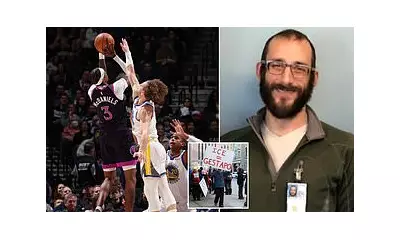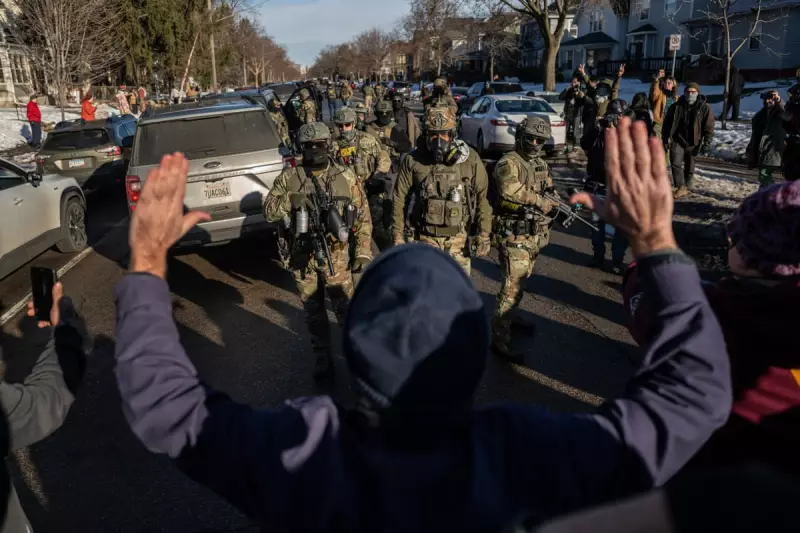
The year 2026 has begun with a grim tally of fatalities linked to US Immigration and Customs Enforcement (ICE), with eight individuals having died either directly at the hands of federal agents or while in the agency's custody. These incidents have ignited widespread protests and intense public scrutiny, particularly following the high-profile killings of two Minneapolis residents.
A Disturbing Pattern Emerges
The deaths of 37-year-old Minneapolis residents Alex Pretti and Renee Nicole Good have captured national attention, but they represent only a fraction of the total casualties. This early-year toll follows an alarming precedent set in 2025, which saw at least 32 people perish in ICE custody—the highest annual number recorded since 2004. Among those was Keith Porter Jr, a 43-year-old Black father of two, who was fatally shot by an off-duty ICE agent in Los Angeles on New Year's Eve 2025 after reportedly firing a gun into the air.
The Eight Individuals Lost
Luis Gustavo Nunez Caceres, a 42-year-old Honduran immigrant, died on 5 January at HCA Houston Healthcare in Conroe, Texas, while in ICE custody. Admitted for a heart condition, he suffered multiple medical emergencies before his death. ICE stated he received care, but his family alleges inadequate medical attention.
Geraldo Lunas Campos, a 55-year-old Cuban father of four, died on 3 January at the Camp East Montana facility in El Paso, Texas. ICE claimed he became disruptive and later attempted suicide, but an autopsy and witness accounts suggest he was handcuffed and placed in a chokehold.
Victor Manuel Diaz, a 36-year-old Nicaraguan immigrant, was found unresponsive at the same El Paso facility on 14 January. ICE labelled it a presumed suicide, but his family disputes this, stating he was seeking a better life.
Parady La, a 46-year-old Cambodian immigrant, died on 9 January at a Philadelphia hospital while in ICE custody. He was being treated for drug withdrawal and later diagnosed with organ failure.
Renee Nicole Good, the 37-year-old Minneapolis mother and poet, was fatally shot by a federal agent in her car on 7 January. The Department of Homeland Security secretary described the incident as a response to domestic terrorism.
Luis Beltran Yanez–Cruz, a 68-year-old Honduran father of three, died on 6 January in a California hospital from heart-related issues after being detained. His daughter claims his health deteriorated following his arrest.
Heber Sanchez Domínguez, a 34-year-old Mexican national, was found unresponsive at a Georgia detention centre on 14 January. ICE stated he was found hanging, and an investigation is ongoing.
Alex Pretti, a 37-year-old ICU nurse, was shot by federal agents during an anti-ICE protest in Minneapolis on 24 January. Video evidence indicates he was disarmed and holding only his phone when killed.
Systemic Concerns and Official Responses
The Department of Homeland Security has defended its standards of care, asserting that detainees often receive superior healthcare compared to many prisons holding US citizens. However, families and advocates consistently challenge these claims, pointing to alleged neglect, inadequate medical responses, and excessive use of force.
These cases have fuelled a broader debate about immigration enforcement practices, accountability, and transparency within federal agencies. With investigations continuing and public demonstrations persisting, the national conversation around ICE's operations and the safeguarding of detainee welfare shows no signs of abating.