Immigration and Customs Enforcement (ICE) officers operating in Minnesota under the Trump administration have received explicit instructions to avoid engagement with protesters and concentrate solely on apprehending migrants with criminal backgrounds, according to a recent report.
Shift in Enforcement Strategy
The new guidance, detailed in an internal email obtained by Reuters, represents a significant departure from the turbulent confrontations witnessed between federal agents and demonstrators in various cities over the past year. This directive emerges in the aftermath of two American citizens, Renee Good and Alex Pretti, losing their lives during clashes with federal law enforcement in Minneapolis.
Focus on Criminal Nexus
A senior ICE official emphasised the strategic pivot, stating, "We are moving to targeted enforcement of aliens with a criminal history." The guidance clarifies that this focus extends to individuals with arrests, not merely convictions, mandating that all targets must possess a criminal nexus.
This approach marks a notable policy reversal. Under the previous Biden administration, ICE was directed to prioritise serious criminals, a stance later rescinded by President Donald Trump, which permitted agents broader latitude to detain non-criminals. The latest instructions specify that officers may conduct license plate checks to identify potential targets, proceeding with an arrest if the vehicle's registered owner is an immigrant with a criminal record.
Avoiding Protest Confrontations
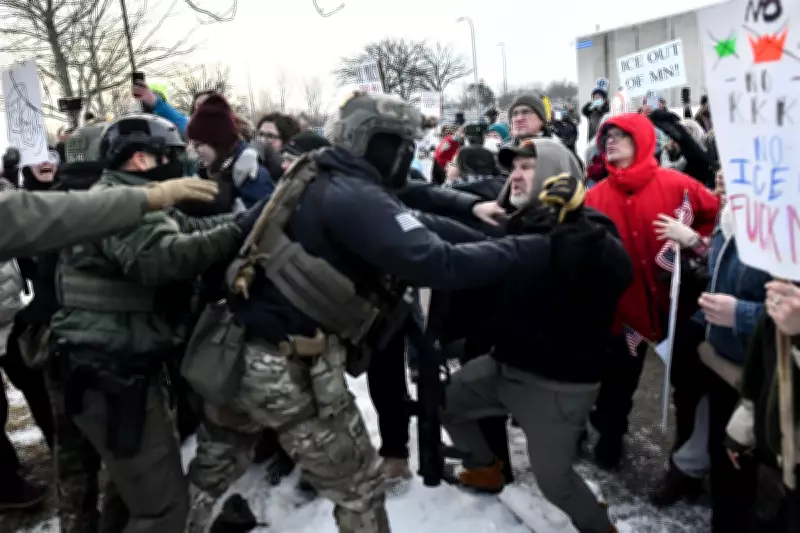
Concurrently, ICE personnel have been ordered to steer clear of interactions with protesters in Minnesota, a move intended to prevent the escalation of tensions. The internal communication explicitly advises, "DO NOT COMMUNICATE OR ENGAGE WITH AGITATORS." It further notes that such engagement "serves no purpose other than inflaming the situation" and that communication should be limited to officers issuing necessary commands.
This directive follows a period of significant upheaval under the leadership of Border Patrol commander-at-large Gregory Bovino. Despite the Trump administration's assertion that its operations target "the worst of the worst," ICE data from January revealed that nearly 43 percent of detainees had no criminal convictions or pending charges.
Administrative Adjustments and Scrutiny
A White House official indicated to Reuters that the guidance remains under discussion and should not be considered final until formally issued. "There are ongoing conversations on how to most effectively conduct operations in Minnesota," the official remarked.
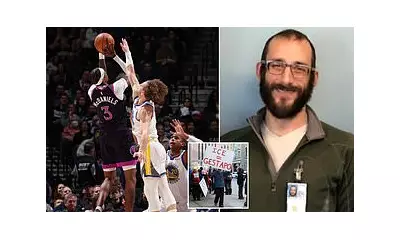
The policy reassessment appears partly prompted by public backlash following the death of Alex Pretti, a 37-year-old ICU nurse, who was shot by Border Patrol agents. Initial claims by the Department of Homeland Security that Pretti was armed and intent on harming law enforcement were widely disputed after contradictory footage circulated.
This incident reportedly influenced President Trump's response. A Republican lawmaker suggested to NBC News that "He saw it wasn't playing well... The visuals were not playing well. He understands TV... He saw it for himself." Consequently, Trump reassigned Bovino to California and deployed border czar Tom Homan to Minnesota.
At a subsequent press conference, Homan acknowledged room for improvement in the operation's execution, stating, "Certain improvements could and should be made." He affirmed, however, that the administration remains committed to its mission, asserting, "We are not surrendering the president's mission."
This refined strategy aims to recalibrate ICE's presence in Minnesota, seeking to balance enforcement objectives with a reduction in volatile public confrontations.