The landscape of immigration enforcement in the United States has undergone a dramatic and violent shift, with recent events in Minneapolis, Minnesota, serving as a stark illustration. The fatal shooting of 37-year-old American citizen Renee Nicole Good by a US Immigration and Customs Enforcement (ICE) agent last Wednesday has sent shockwaves through the community and the nation, highlighting a new, confrontational approach to immigration control.
A Community Under Siege: The Tactics of Modern ICE Raids
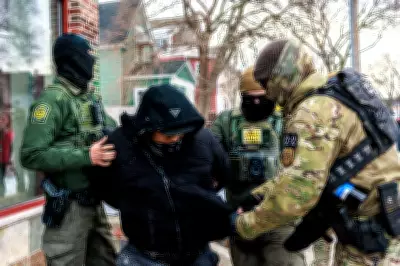
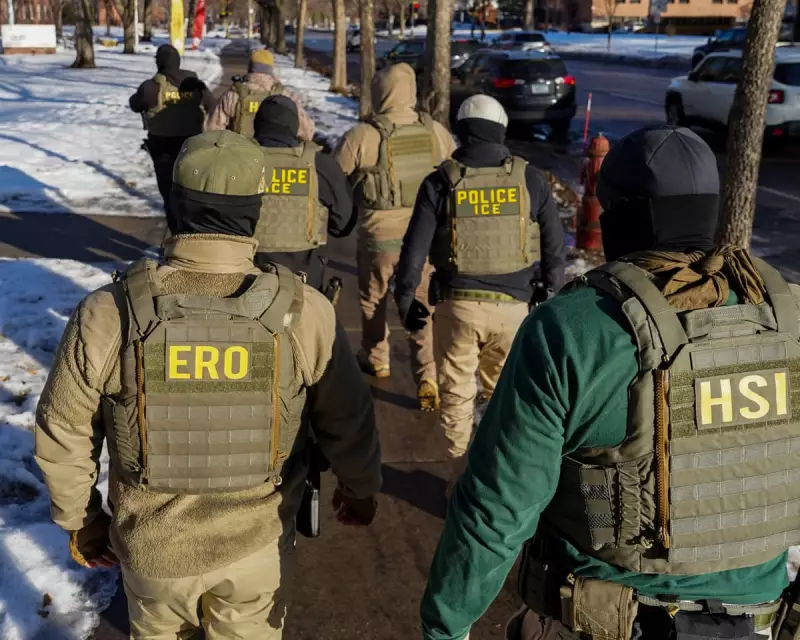
In the days following the shooting, ICE operations in Minneapolis have continued with heightened intensity. Residents describe scenes reminiscent of an occupation, with armed and masked agents conducting aggressive door-to-door searches for undocumented migrants. Families have been separated at bus stops, and car windows have been smashed to drag individuals from their vehicles. This represents a significant departure from the agency's former preference for lower-profile operations.
Governor Tim Walz has characterised the federal presence as an "occupation," a sentiment echoed by many Minnesotans who feel their communities are under invasion. The transformation of ICE, fuelled by billions in increased funding and a political rhetoric that licenses hostility, appears complete. It now operates with a paramilitary brazenness that directly targets not only migrants but also the social fabric of the neighbourhoods where they live.
The Killing of Renee Good and the Erosion of Accountability
The death of Renee Nicole Good, a white, middle-class mother of three, has become a focal point in the debate over these tactics. Good was shot dead by an ICE officer, though it remains unclear whether the agents even had the legal authority to demand she exit her car. In the aftermath, the administration's response has been to vilify the victim, labelling her a "deranged leftist" and "domestic terrorist," while investigating her widow and claiming "absolute immunity" for the officer involved.
This response exposes a broader political agenda where rules and judicial restraint are framed as obstacles to the executive's will. The incident underscores a dangerous convergence of issues: the impunity of law enforcement, the militarisation of civil agencies, and the normalisation of rhetoric that smears opponents. With police having killed 1,379 people in the US in 2024 alone—with Black victims disproportionately affected—Good's killing extends this pattern into the realm of immigration enforcement.
The Political Engine: Fear, Fabrication, and Future Implications
Behind these brutal tactics lies a calculated political strategy. Despite statistics showing violent and property crime rates have plummeted since the 1990s, a narrative of "American carnage" blamed on undocumented migrants has been constructed. Fear is the primary instrument. The administration's stated goal of removing 1 million undocumented migrants annually is unachievable without terrifying people into "self-deporting" and frightening sympathisers into silence.
A September Supreme Court ruling has been interpreted by ICE as allowing detention based on race and ethnicity, further ensnaring US citizens of colour in its dragnet. While most Americans and independent voters view the deportation drive as excessive, a core of Republican-aligned voters believes it has not gone far enough, creating a powerful political incentive for escalation.
The potential future uses of a paramilitary force like ICE, answerable primarily to the President, are deeply alarming. President Trump's past pardons for insurrectionists and threats to invoke the Insurrection Act against protests reveal an appetite for using force to quell domestic dissent. The communities in Minnesota now organising to defend and support one another are therefore engaged in a struggle that goes beyond immigration. They are resisting the manufactured crisis and the climate of fear that defines Trumpism, fighting for a democracy where the rule of law, not paramilitary force, prevails.