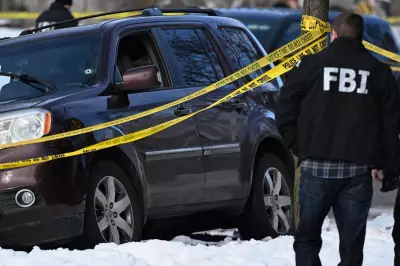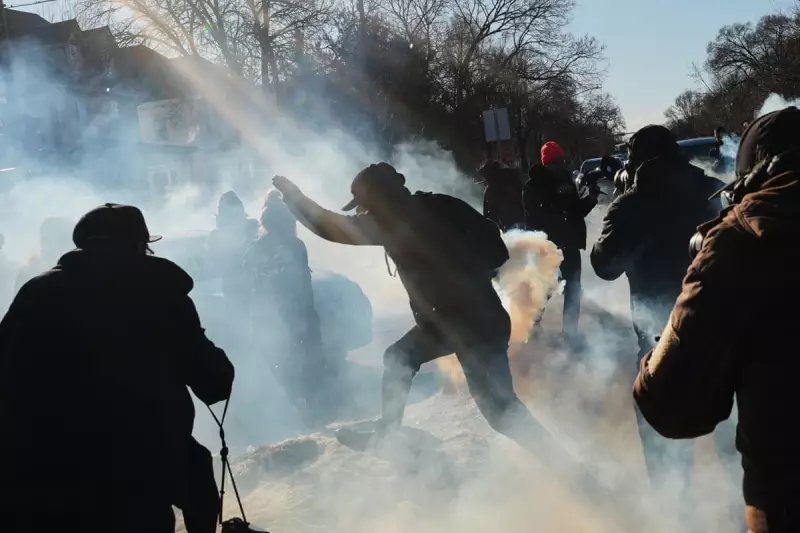
The US city of Minneapolis has become the focal point of a major domestic security operation, with federal authorities deploying thousands of agents and using teargas against protesters. The surge follows the fatal shooting of a local woman by an immigration officer and has ignited a fierce constitutional and political battle.
"Largest DHS Operation in History" Unfolds
On Tuesday, the Department of Homeland Security confirmed it is conducting what it calls "the largest operation in DHS history" in Minnesota. A senior official revealed to CBS News that the deployment now includes 800 Customs and Border Protection agents and 2,000 Immigration and Customs Enforcement (ICE) officials in the Minneapolis area. The massive influx of federal personnel, many in tactical gear, has dramatically escalated tensions on the city's streets.
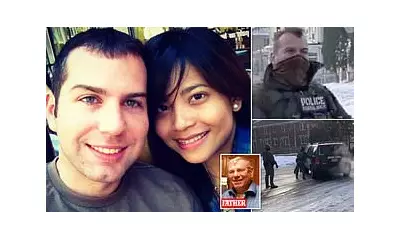
Protests have intensified since Renee Nicole Good, a 37-year-old mother of three, was fatally shot in the head by a federal immigration agent last week. On Tuesday, clouds of teargas and an orange eye irritant filled a street near the scene of her death. Witnesses described a man scrubbing his eyes with snow and screaming for help after agents in an unmarked Jeep sprayed the chemical and drove away.
Legal Challenges and Public Defiance
The state's political leadership is pushing back hard. Minnesota, joined by the cities of Minneapolis and St Paul, filed a lawsuit on Monday seeking to halt or limit the federal surge. State Attorney General Keith Ellison condemned the move, stating, "This is, in essence, a federal invasion of the Twin Cities in Minnesota, and it must stop." The lawsuit argues the DHS is violating First Amendment protections by targeting a progressive, Democrat-leaning state that welcomes immigrants.
Minneapolis Mayor Jacob Frey expressed grave concern over the impact on daily life, noting "thousands – plural – thousands of federal agents coming into our city." Meanwhile, a separate legal request seeks to restrict federal agents' use of force, including chemical irritants, against observers and journalists. A judge is expected to rule on that request by Friday.
Public defiance is widespread. It has become common for residents to boo, taunt, and blow orange whistles when they spot heavily armed agents in unmarked vehicles—a grassroots warning system. "Who doesn't have a whistle?" one man yelled, offering a bag of them to others.
National Repercussions and Political Fallout
The controversy is resonating far beyond Minnesota's borders. The same day the teargas was deployed, several federal prosecutors in Minnesota and Washington resigned. They were protesting the Justice Department's decision not to open a civil rights investigation into Good's killing. The Trump administration has defended the agent involved, claiming he acted in self-defence, an explanation local leaders have rejected based on video evidence.
Nationally, the incident is spurring legislative proposals. Two Democratic lawmakers from Massachusetts announced a bill to make it easier to sue federal officers for civil rights violations, though it faces slim chances in the Republican-controlled Congress. In Wisconsin, the Lieutenant Governor proposed banning civil immigration enforcement near sensitive locations like schools and hospitals.
DHS spokesperson Tricia McLaughlin, responding to the Minnesota lawsuit, accused state officials of ignoring public safety and emphasised the administration's stance: "President Trump's job is to protect the American people and enforce the law – no matter who your mayor, governor, or state attorney general is." The department claims to have made over 2,000 arrests in the state since early December and vows not to back down.
As the operation continues and legal battles loom, the streets of Minneapolis remain a flashpoint for broader national debates over immigration enforcement, federal power, and civil liberties.