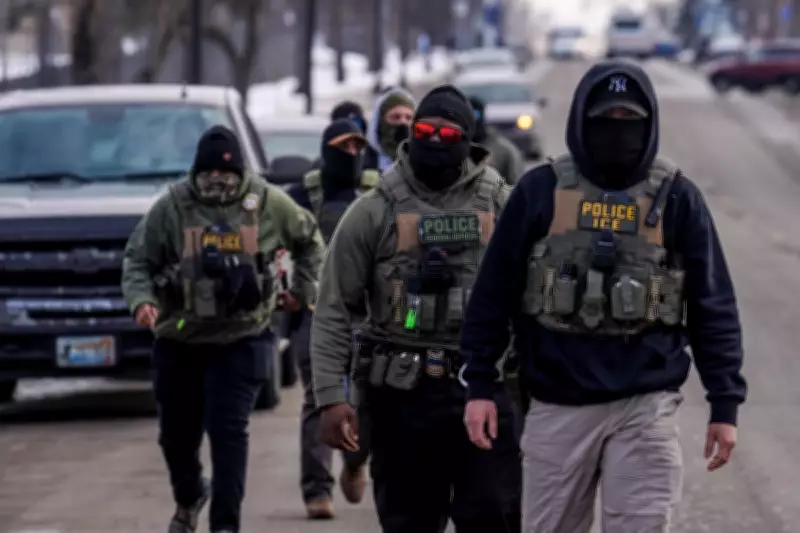
Minnesota ICE Operation Retreats Amid Legal and Public Pressure
An Immigration and Customs Enforcement (ICE) operation in Minnesota has been significantly scaled back following a wave of legal challenges and intense public opposition. The retreat marks a notable shift in enforcement tactics in the state, which has become a focal point for debates over immigration policy in the United States.
Legal Challenges Force Operational Changes
The operation, which targeted individuals suspected of immigration violations, faced multiple lawsuits from advocacy groups and local authorities. These legal actions argued that the enforcement measures were overly aggressive and potentially violated civil liberties. As a result, ICE has been compelled to reduce its presence and adjust its strategies in Minnesota.
Court rulings have imposed restrictions on the scope of the operation, limiting the types of individuals who can be detained and the methods used for apprehension. This has led to a noticeable decrease in enforcement activities across the state.

Public Outcry and Community Response
Community organizations and residents in Minnesota have mobilized against the ICE operation, staging protests and providing support to affected individuals. The public outcry has been fueled by concerns over family separations and the broader impact on immigrant communities.
Local leaders have voiced strong opposition, calling for more humane approaches to immigration enforcement. This grassroots movement has gained traction, putting additional pressure on federal authorities to reconsider their tactics.
Implications for Immigration Policy
The retreat of the ICE operation in Minnesota reflects ongoing tensions between federal enforcement efforts and local resistance. It underscores the complexities of implementing immigration policies in regions with diverse populations and strong advocacy networks.
Experts suggest that this development could influence future operations in other states, as similar legal and public challenges may arise. The situation highlights the need for balanced approaches that consider both security concerns and human rights.
As the debate continues, the scaled-back operation in Minnesota serves as a case study in the challenges of immigration enforcement in a polarized political climate.