The state of Minnesota has launched a major legal challenge against the Trump administration, seeking an immediate halt to what it describes as an "unprecedented" and aggressive surge in federal immigration enforcement operations.
Legal Action Alleges Constitutional Violations
Attorney General Keith Ellison filed the lawsuit, which contends that the actions by Immigration and Customs Enforcement (ICE) agents violate both federal statute and the US Constitution. Ellison did not mince words, characterising the deployment as a "federal invasion" of the Twin Cities metropolitan area, encompassing Minneapolis and Saint Paul.
The legal filing argues that the operations have directly led to widespread racial profiling, harassment, and have terrorised local communities. The suit specifically targets the Department of Homeland Security, demanding a judicial order to stop its activities within Minnesota's borders.
Deadly Shooting Ignites Widespread Protests
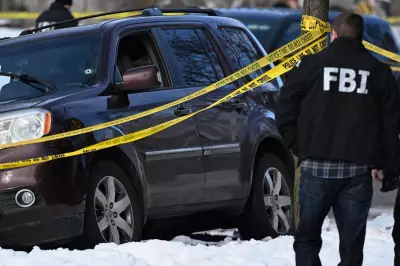
This significant legal manoeuvre follows a week of intense unrest and protest across Minneapolis. The public outcry was triggered by a fatal incident last week, in which an ICE agent shot and killed a woman named Renee Good.
The death of Good acted as a catalyst, bringing longstanding local tensions over federal immigration tactics to a boiling point and prompting the state's top legal officer to intervene.
A State Challenges Federal Power
By taking the Trump administration to court, Minnesota is positioning itself at the forefront of a growing national conflict between progressive-led states and federal immigration policy. The lawsuit represents a direct confrontation over the limits of federal enforcement power within state jurisdictions.
The case, filed on Monday 12 January 2026, sets the stage for a potentially landmark legal battle. Its outcome could have profound implications for how immigration enforcement is conducted across the United States, testing the balance of power between state and federal authorities.