Jim Ratcliffe's Controversial Immigration Comments Draw Widespread Condemnation
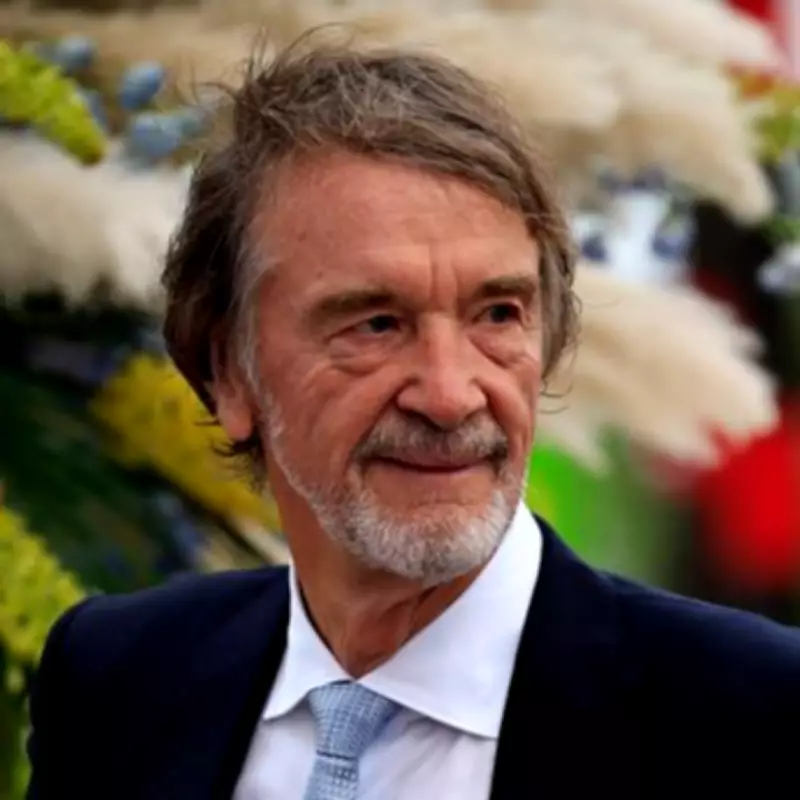
In a recent interview with Sky News, Jim Ratcliffe, the co-owner of Manchester United, sparked significant controversy by stating that the United Kingdom has been "colonised by immigrants." This remark, which many have labelled as xenophobic and inflammatory, quickly drew widespread condemnation from various sectors across the country. Ratcliffe later apologised for his choice of language but notably stood by the underlying sentiment, highlighting a growing trend of divisive rhetoric in political discourse.
The Broader Context of Political Polarisation
Ratcliffe's comments are not isolated; they reflect a broader pattern of extreme views gaining traction on both sides of the Atlantic. Figures like Donald Trump and Nigel Farage have similarly employed provocative language to fuel division, often without facing substantial consequences. For instance, Trump has been linked to a social media post depicting Barack and Michelle Obama as apes, a claim he denies but has not apologised for, raising questions about accountability in political leadership.
This environment allows billionaires and politicians with what critics describe as a "right-wing, punch-down mentality" to exert influence, exploiting societal tensions for personal or political gain. The reluctance to fully reject such rhetoric, as seen in Ratcliffe's case, underscores a complacency that many argue threatens social cohesion.
Reactions and Repercussions
Manchester United was forced to issue a statement distancing the club from Ratcliffe's remarks, emphasising the damage such comments can inflict on institutional reputations. Meanwhile, political figures like Nadhim Zahawi, a former government minister born in Iraq, have faced scrutiny for defending or downplaying such views. Zahawi recently claimed he did not feel safe in London, citing an encounter with a tired-looking man, a statement that has been criticised as out of touch with the realities faced by immigrants and working-class individuals.
Nigel Farage's alignment with Ratcliffe's sentiments has further inflamed tensions, with critics accusing him of perpetuating lies and division, particularly in the context of Brexit. The ongoing indulgence of such figures in media and political circles is seen by many as exacerbating societal fractures, rather than fostering unity.
A Call to Action Against Hate Speech
The article argues that society must wake up to the dangers posed by hate speech and divisive rhetoric. While daily responsibilities like work and family life demand attention, ignoring these issues risks normalising intolerance. The author urges readers to recognise figures like Ratcliffe, Trump, and Farage for what they are: individuals who exploit fertile minds for personal or political advantage, often at the expense of marginalised communities.
In conclusion, the backlash against Ratcliffe's comments serves as a stark reminder of the need for vigilance in challenging xenophobia and racism. As political landscapes become increasingly polarised, collective outrage and action are essential to counteract the spread of hate and ensure a more inclusive society.