Sovereign Citizen Network Aided Fugitive Cop Killer Before Police Shooting
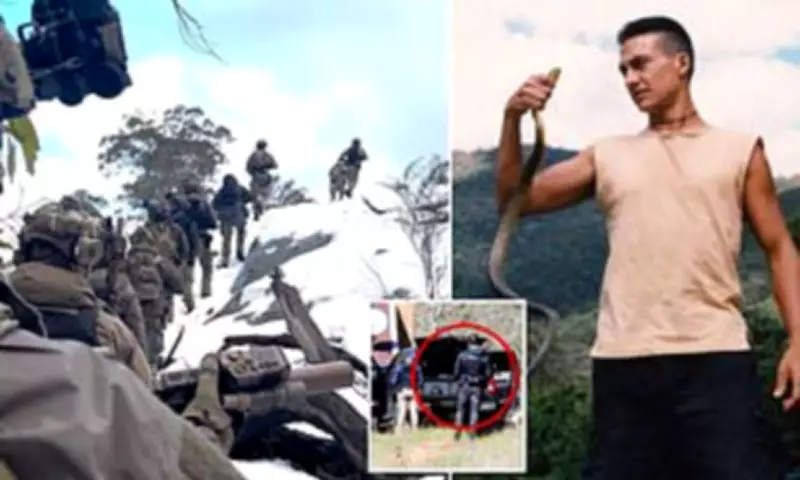
A clandestine network of sovereign citizens operating throughout rural Victoria is understood to have provided crucial assistance to fugitive cop killer Desmond Freeman during his seven months on the run. Freeman, aged 56, was fatally shot by police on Monday morning after being located inside a shipping container near Walwa, approximately 188 kilometres northeast of Porepunkah.
Fatal Confrontation Ends Lengthy Manhunt
The dramatic conclusion to one of Victoria's most intensive police operations occurred shortly after 8:30am on Monday. Police had received a critical tip-off from someone close to Freeman before locating his hideout. Authorities confirmed they attempted to negotiate with the sovereign citizen adherent before the fatal shooting occurred.
'A man has been fatally shot by police at a property in northeast Victoria this morning as part of the operation to locate Desmond Freeman,' police stated in an official announcement. 'No police officers were injured during the incident.'

Deadly Shooting That Sparked Massive Search
Freeman had been evading capture since August 26, when he fatally shot Detective Leading Senior Constable Neal Thompson, 59, and Senior Constable Vadim de Waart-Hottart, 34, while injuring a third officer at Porepunkah. The officers were among a group of ten who had attended Freeman's Rayner Track property to serve a warrant regarding historical sex abuse allegations.
The shootings triggered an unprecedented manhunt involving hundreds of officers who scoured extensive bushland around Freeman's remote hideout beneath Mount Buffalo. Search crews combed treacherous terrain filled with caves and mineshafts, while police investigated whether local supporters were helping Freeman avoid capture.
Sovereign Citizen Support Network Revealed
Victoria's rural sovereign citizen network, whose members reportedly revered Freeman as a modern-day Ned Kelly, is believed to have sustained the fugitive throughout his time as Australia's most wanted man. These individuals, who typically reject government authority and believe laws don't apply to them, allegedly provided essential resources to keep Freeman alive and concealed.
Freeman himself subscribed to the sovereign citizen movement's ideology and was receiving Centrelink benefits before the initial shooting. A $1 million bounty offered for his capture may have ultimately prompted one of his supporters to provide the tip that led police to his location.
Family Involvement and Failed Search Efforts
Early in the investigation, Freeman's wife Mali, who police confirmed was present during the fatal shootings, and a 15-year-old boy were arrested on allegations of obstructing police. Both were later released without charge. Several days after the initial incident, Ms Freeman issued a public statement urging her husband to surrender to authorities.
By December, police had shifted their focus to locating Freeman's body, conducting a five-day operation using cadaver dogs and drones that ultimately yielded no results. More than 100 homes and properties were searched throughout the investigation as authorities pursued every possible lead.
Contempt for Legal System Displayed
Footage illegally filmed and published online from Freeman's court appearance in Wangaratta in November 2024 showed him attempting to arrest both the magistrate and police officers. This hearing represented one of several disruptive court appearances where Freeman demonstrated his profound contempt for Australia's legal system.
A friend of Freeman previously blamed the sovereign citizen movement for radicalising him, stating: 'He was unemployable. He couldn't hold down a job … it was his temperament.'
Police Response and Community Impact
Wayne Gatt, secretary of the Police Association Victoria, described the shooting of Freeman as a 'step forward' for the police force. 'Our members said they would find him. They did,' Gatt stated on Monday.

'Closure isn't the right word. This represents a step forward for our members, for the families of our fallen members and for the community,' Gatt continued. 'It doesn't lessen the trauma, give back the futures that were callously stolen, or lessen the collective fear and grief that this tragic event has instilled in police and the wider public.'
Gatt added: 'Today, we won't reflect on the loss of a coward. We will remember the courage and bravery of our fallen members and every officer that has doggedly pursued this outcome for the community. They have worked tirelessly. During the emergency, in the operation that followed and the months thereafter, members across the state have devoted themselves to this singular pursuit.'
The police association secretary concluded with a tribute to the fallen officers: 'Days like today offer a sobering reminder that policing happens while you sleep, when the media spotlight on an investigation dims and when everything seems lost and forgotten. RIP Vadim and Neal. Today, we remember you.'