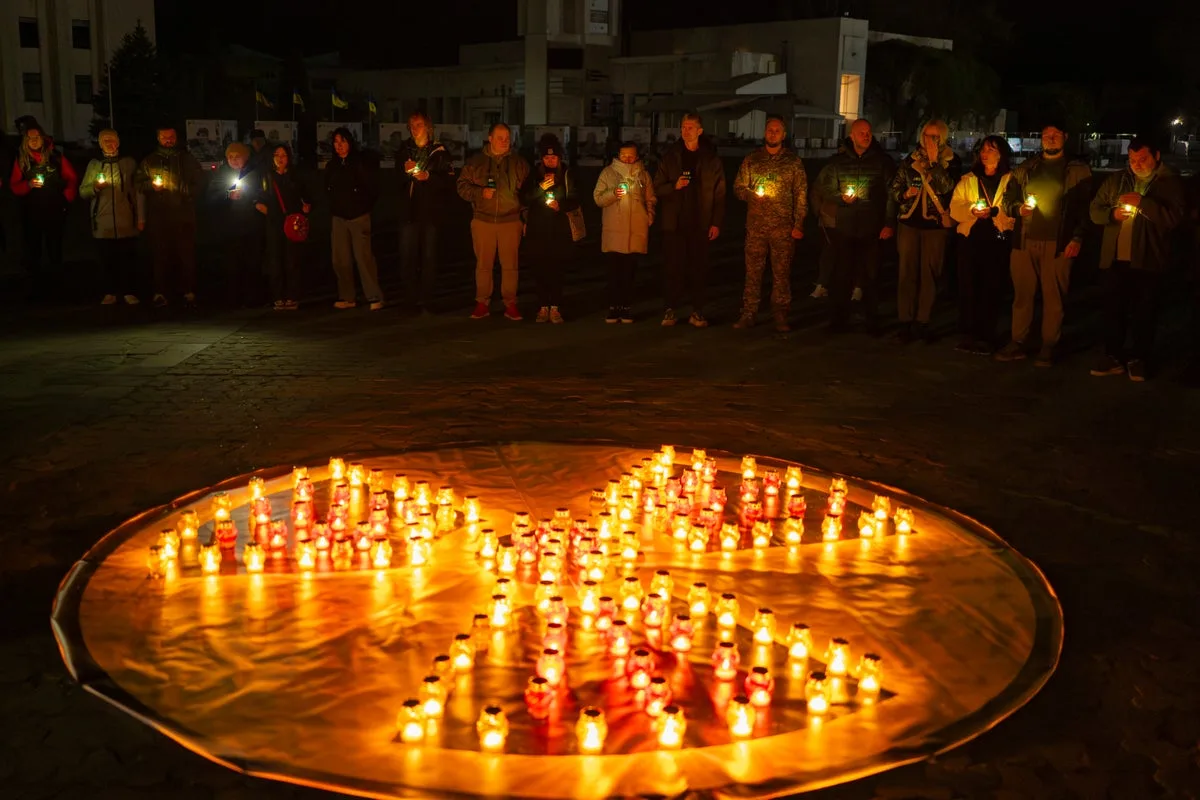
Stasi Files Reveal Soviet Misinformation After Chernobyl Disaster
Stasi Files Show Soviet Lies After Chernobyl

Forty years after the Chernobyl nuclear disaster, newly examined Stasi files have shed light on the scale of Soviet misinformation surrounding the catastrophic event. On April 26, 1986, a safety test at the Chernobyl nuclear power plant in Ukraine led to the explosion of reactor 4, releasing radioactive material hundreds of times greater than the Hiroshima atomic bomb. Despite the immediate and widespread detection of radioactive fallout across northern and central Europe, Soviet authorities worked tirelessly to suppress the truth.

Decades of Uncovering the Truth

For years, researchers, political leaders, and advocacy groups have pieced together the story of the explosion. While science has clarified the technical causes, uncovering the layers of mismanagement, negligence, and misinformation has proven far more challenging. Many official Soviet records, including KGB files, remain locked in Moscow and accessible only to select Russian government agencies. However, a partial workaround exists: East Germany, as a Soviet satellite state, retained its own documents after the Berlin Wall fell. In 1991, Germany passed a law declassifying certain Stasi files, offering a unique window into the Soviet bloc's handling of the disaster.

Lauren Cassidy, a lecturer at Binghamton University, spent three years studying these files in Berlin, meeting with Stasi archivists and examining original documents. Her research reveals that despite public reassurances, both the KGB and Stasi knew the explosion was devastating. They kept detailed records of hospitalizations, casualties, damaged crops, contaminated livestock, and radiation levels—but restricted access to top officials. Their primary fear was not the radiation's harm to populations, but the damage to their countries' reputations.

Wide Pickt banner — collaborative shopping lists app for Telegram, phone mockup with grocery list

Controlling the Narrative

Press management was a top priority. In the Soviet Union, officials crafted media briefings for precise publication dates. One classified document, saved by a brave official, records Mikhail Gorbachev telling the Politburo: "When we inform the public, we should say that the power plant was being renovated, so it doesn't reflect badly on our reactor equipment." Another senior official, Nikolai Ryzhkov, proposed three different press releases: one for the Soviet people, one for satellite states, and another for Europe, the U.S., and Canada.

In East Germany, Stasi reports mirrored this approach. Top officials were briefed on radioactive contaminants, but the public was told there was "absolutely no danger." State-controlled media disseminated this message. However, by the mid-1980s, many East Germans could access Western TV and radio. While they recognized their government was lying, they also knew Western media sought to disparage the Eastern bloc. The resulting confusion was intentional: propaganda aimed to tire people out with conflicting information.

Economic Downplaying and Contaminated Exports

The Stasi also feared economic damage. As news of radioactive fallout spread, people stopped buying produce and dairy products. Children refused milk at school, and shoppers questioned vendors about greenhouse vs. outdoor produce. To avoid losses, the Stasi devised a plan to export potentially contaminated goods to West Germany, arguing that spreading consumption would prevent unsafe levels for any individual. However, West Germany quickly tightened border regulations, banning vehicles emitting certain radiation levels. Lower-ranking Stasi workers were then forced to clean radioactive vehicles themselves, knowingly risking their health.

This export plan mirrored a Soviet strategy, but Moscow's approach was different: contaminated meat was sent to "the majority of regions" except Moscow.

Pickt after-article banner — collaborative shopping lists app with family illustration

Disinformation as an Achilles' Heel

When the Stasi was founded in 1950, many employees believed in the East German cause, having witnessed Nazi horrors. By the 1980s, however, most saw their jobs merely as a source of income and privilege. Disillusioned and dispassionate, many Stasi workers offered little resistance when protesters stormed their headquarters in 1990, months after the Berlin Wall fell. While many factors led to the communist bloc's demise, the handling of Chernobyl's aftermath significantly eroded public trust. The disinformation campaign reinforced the message that the state prioritized image over the well-being of its people, ultimately contributing to the regimes' downfall.