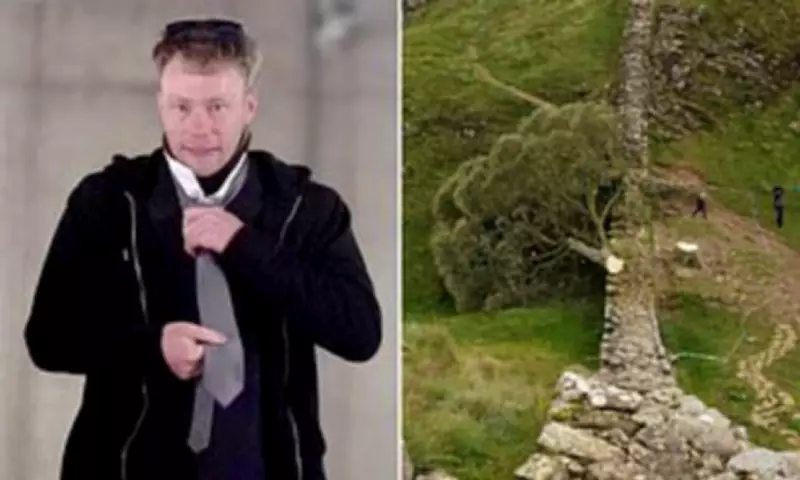
Sycamore Gap Tree Vandal Released Early Under Home Detention Curfew
One of the two former best friends who chopped down one of Britain's most famous trees with a chainsaw in an act described as 'mindless vandalism' has already been freed from behind bars, it is understood. Adam Carruthers, 33, has been released under the Home Detention Curfew Scheme in March, requiring him to wear an electronic tag and stay at a registered home address.
Sentencing and Early Release Details
Last July, Adam Carruthers and Daniel Graham, from Carlisle, Cumbria, were sentenced to four years and three months in prison after they felled the 19th-century Sycamore Gap Tree, which sat beside Hadrian's Wall in Northumberland. The duo drove 40 minutes from Carlisle on September 27, 2023, in Graham's Range Rover, dubbed the 'Black Pig', before chopping down the famous tree in the darkness.
During the trial at Newcastle Crown Court, Mrs Justice Lambert told the pair they would serve 40 per cent of their sentence behind bars, with the remainder on licence in the community. Carruthers had already spent two months in custody before sentencing, while Graham served seven months prior to receiving his sentence of over four years.

Evidence and Aftermath of the Crime
The shameless vandals kept a part of the iconic tree's trunk as a trophy and were reportedly 'loving it' as news of the destruction sparked headlines nationwide. On Graham's phone, a two-minute, 41-second video showed the silhouette of a man standing beside the large tree before the 'unmistakable sound' of a chainsaw was heard. Shortly after felling the tree, Carruthers told his partner, 'I have a better video than that', after being sent a video of his young child.
The decision to release Carruthers was taken by the prison governor following a risk assessment, as reported by ITV News. Speaking to the broadcaster at a Cumbria turf business where he used to work, Carruthers said he was happy to be out of prison. A Ministry of Justice spokesman stated: 'Anyone released into Home Detention Curfew faces strict licence conditions and must be tagged. Those who break the rules can be returned to prison.'
Background and Impact of the Sycamore Gap Tree
The 150-year-old sycamore was planted in the 1800s by wealthy lawyer and antiquarian John Clayton, who spent much of his life buying land around Hadrian's Wall to preserve it. Nestled in a dip in the Roman structure, it attracted visitors from around the globe and appeared in the 1991 blockbuster Robin Hood: Prince of Thieves, starring Kevin Costner.
It was a place for picnics, marriage proposals, and its image was used on souvenirs ranging from postcards to fridge magnets and prints sold to tourists across Northumberland. When it was mysteriously felled under the cover of darkness, there was a global outpouring of anger and confusion, prompting a furious response from then-Prime Minister Rishi Sunak, tearful visits from mourners, and international headline news coverage from India to the United States.
Legal Convictions and Scheme Eligibility
Former friends Graham and Carruthers were convicted of criminal damage to the much-loved tree, which had stood for over 100 years in a fold in the Northumberland landscape. They were also convicted of criminal damage to Hadrian's Wall, caused when the sycamore fell on the ancient monument in September 2023.
It is understood that prisoners must have 12 months or less to serve before their conditional release to be eligible for the Home Detention Curfew Scheme and must undergo a risk assessment. The scheme allows for early release under strict conditions, including electronic monitoring, to facilitate reintegration into the community while ensuring public safety.