Teen Boys Receive Probation for Creating AI-Generated Fake Nude Photos
Two teenage boys who utilised artificial intelligence to fabricate counterfeit nude photographs of their classmates have been sentenced to probation. The sentencing occurred on Wednesday, following emotional testimony from dozens of victims who described the profoundly traumatising impact of the images.
Scale of the Offence and Victim Impact
The defendants, who were fourteen years old at the time of the offences, admitted to producing approximately three hundred and fifty fabricated images. These images depicted at least fifty-nine girls under the age of eighteen, alongside other victims who have yet to be formally identified.
Authorities revealed that the boys sourced photographs of the girls from school portraits, yearbooks, and social media platforms including Instagram, TikTok, and FaceTime chats during 2023 and 2024. They then used AI tools to morph these images with pictures of adults engaged in nudity or sexual activity.

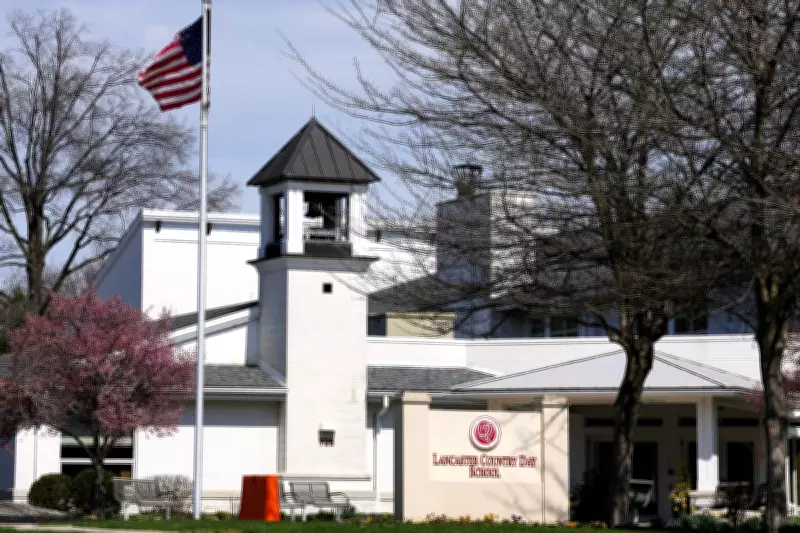
In an unusual move, the juvenile proceedings in Pennsylvania were opened to the public by the presiding judge. This allowed over one hundred students and parents from Lancaster Country Day School to be present in court. Victims provided harrowing accounts of being forced to identify their own faces within pornographic material when questioned by detectives.
Emotional Courtroom Testimonies
The victims detailed severe psychological fallout, including anxiety attacks, a fundamental loss of trust, significant difficulties concentrating on academic work, and an enduring fear that the images could resurface unexpectedly in the future.
One victim directly addressed Judge Leonard Brown, stating, "I will never understand why they did this," and adding that the experience "destroyed my innocence." Another young woman described the agony of repeatedly reliving the trauma, while a further victim broke down while accusing one defendant of displaying "fake empathy" as girls confided in him about their distress, unaware of his involvement in creating and distributing the images.
A separate testimony revealed the broader social damage, with one victim noting that all of her friends had transferred schools and that she "needed trauma therapy to even walk around my neighbourhood."
Defendants' Demeanor and Legal Proceedings
The two young men remained expressionless throughout the proceedings, flanked by their legal counsel and parents, as they were labelled with terms including pedophiles, "sick and twisted," and perverted. They declined multiple opportunities to address the court.
Judge Brown noted that he had not heard either boy accept responsibility or offer an apology for their actions. Defence attorney Heidi Freese, representing one defendant, described the case as "a regrettable, long, torturous process for everyone involved." She indicated that complex underlying legal issues surrounding the charges would be adjudicated in future separate litigation.
Sentencing Details and Judicial Warning
Judge Brown sentenced each defendant to sixty hours of community service, mandated no contact with the victims, and ordered the payment of an unspecified amount in restitution. He stipulated that if the boys encounter no further legal problems, the case may be expunged after a period of two years.
In delivering the sentence, Judge Brown issued a stark warning, stating that if the defendants had been adults, they would likely be facing incarceration in a state prison. He urged them to "take this opportunity to really examine" themselves.
Broader Legal Context and Related Cases
The resolution of this Pennsylvania case follows closely on the heels of a separate legal action in Tennessee. There, three teenagers have filed a lawsuit against Elon Musk's xAI, alleging the company's Grok tools were used to morph their genuine photographs into sexually explicit images. The plaintiffs are seeking class-action status to represent what they claim are thousands of similarly victimised minors.
The original scandal in Pennsylvania during 2024 triggered a student protest, led to the departure of several school leaders, and resulted in the criminal charges now being adjudicated.

Ongoing Civil Litigation and Legislative Response
Philadelphia attorney Nadeem Bezar, who represents at least ten of the victims, announced an expectation to file legal claims "against the school and anybody else we think has culpability in these deepfakes being created and disseminated." He stated that the forthcoming legal process aims to establish the precise timeline of events, the school's awareness, the methods and platforms used for image creation, and the channels of dissemination.
As artificial intelligence technology becomes increasingly accessible and potent, legislators across the United States have enacted laws targeting deepfake content. Last year, President Donald Trump signed the Take it Down Act, which criminalises the non-consensual publication of intimate images, including deepfakes, and mandates that websites and social media platforms remove such material within forty-eight hours of notification by a victim.
According to the consumer advocacy organisation Public Citizen, forty-six states now possess laws addressing deepfakes, with legislation pending in the remaining four states: Alaska, Missouri, New Mexico, and Ohio.