Texas Governor Implements H-1B Visa Freeze for State Agencies and Universities
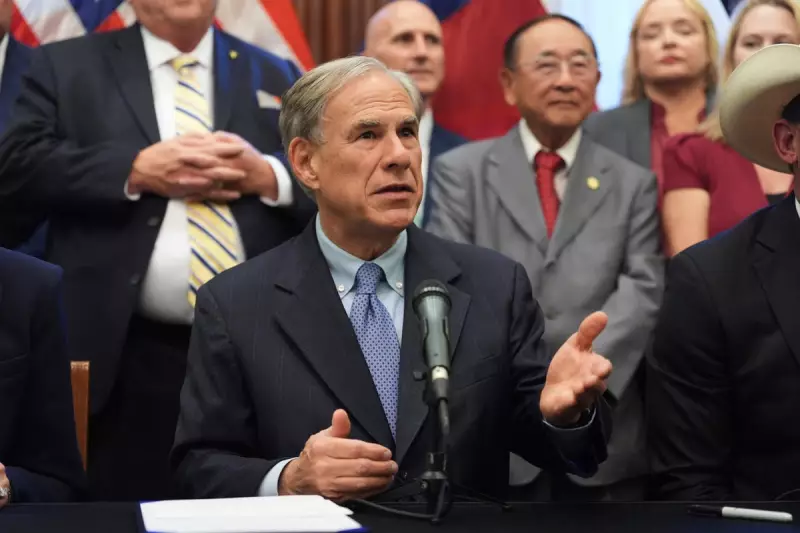
In a significant move affecting immigration and employment practices, Texas Governor Greg Abbott has directed state agencies and public universities to suspend all new H-1B visa petitions until May 2027. The order, issued on Tuesday, specifically targets institutions with gubernatorially appointed leadership, aiming to reshape hiring protocols for foreign workers with specialised skills.
Details of the Executive Order and Its Implications
The temporary halt, which Governor Abbott described as a measure to allow for legislative review, will provide lawmakers with time to establish statutory guidelines for employing federal visa holders within state government. Abbott emphasised that this pause is intended to facilitate congressional modifications to federal law and support the Trump administration's efforts to implement reforms that eliminate perceived abuses within the visa programme.
Exceptions to the freeze may be granted with permission from the Texas Workforce Commission, offering some flexibility for critical roles. However, the overarching message from the Governor's office is clear: state-funded employment opportunities should prioritise qualified Texan candidates.
Impact on Major Texas Institutions and H-1B Visa Holders
Texas is home to tens of thousands of H-1B visa holders, with public universities employing a significant portion. According to recent data from U.S. Citizen & Immigration Services, the University of Texas Southwestern Medical Center in Dallas leads with 228 visa holders among its 23,000 employees. Other affected institutions include:
- Texas A&M University in College Station with 214 H-1B visas
- University of Texas MD Anderson Cancer Center in Houston with 171
- University of Texas at Austin with 169
- Texas Tech University in Lubbock with 143
University representatives have not yet commented on the suspension, leaving many to speculate about potential disruptions to research, healthcare, and academic programmes reliant on international talent.
Broader Context: National Debate and Political Actions
Governor Abbott's decision aligns with a growing Republican critique of the H-1B visa system, which critics argue has become a pipeline for overseas workers willing to accept lower wages, thereby reducing job opportunities for Americans. Supporters counter that the programme is essential for attracting top global talent, filling specialised roles, and driving innovation in sectors like technology and healthcare.
Nationally, the debate continues, with Florida Governor Ron DeSantis also advocating for reduced H-1B hires and potential pauses in the programme for public universities. Additionally, President Donald Trump's imposition of a $100,000 annual fee on highly skilled H-1B workers, currently under legal challenge, reflects ongoing federal efforts to reshape immigration policy.
Reporting Requirements and Future Reforms
As part of the order, state agencies and universities must provide detailed documentation on their H-1B visa usage from the previous year. This includes:
- The number of new or renewed visa petitions filed
- Current visa holders sponsored
- Job titles and countries of origin
- Visa expiration dates
Employers are also required to demonstrate efforts to give qualified Texan candidates reasonable opportunities to apply for positions filled by H-1B visa holders. Governor Abbott stated, "State government must lead by example and ensure that employment opportunities — particularly those funded with taxpayer dollars — are filled by Texans first."
Understanding the H-1B Visa Programme
Established by the 1990 Immigration Act, H-1B visas allow American companies to hire foreign workers with technical skills that are scarce domestically. The visas are valid for three years, with a possible three-year extension, and are not intended for permanent residency, though some holders transition to other immigration statuses.
Annually, 65,000 new visas are issued, plus an additional 20,000 for individuals with master's degrees or higher. Exemptions apply to certain employers, such as universities and nonprofits, highlighting the programme's complexity and the varied impacts of Abbott's freeze across different sectors.