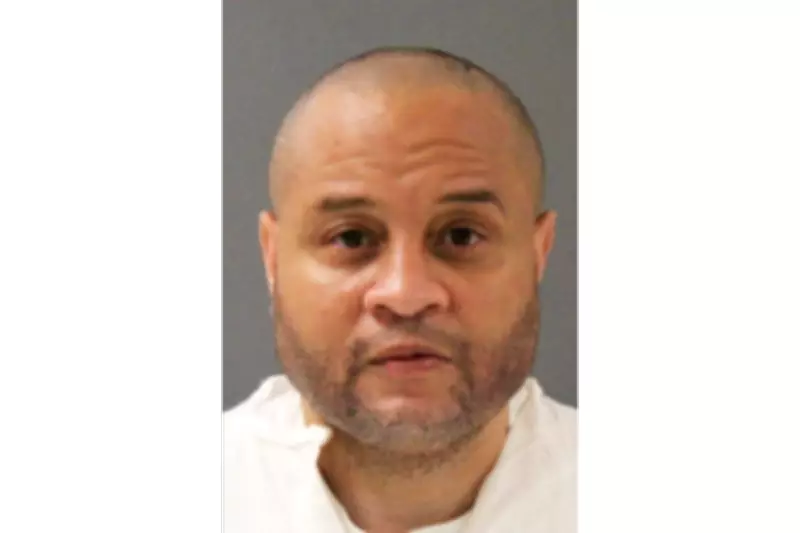
A Texas man convicted of a brutal double murder offered a tearful, profuse apology in his final moments before being executed by lethal injection last week. Cedric Ricks, 51, was pronounced dead at 6:55 p.m. CDT at the state penitentiary in Huntsville, bringing closure to a case that has haunted a family for over a decade.
The Crimes and Conviction
Ricks was found guilty of the May 2013 killings of 30-year-old Roxann Sanchez and her eight-year-old son Anthony Figueroa at their apartment in Bedford, a suburb in the greater Dallas-Fort Worth area. The attack was particularly vicious, with Sanchez's other son, 12-year-old Marcus Figueroa, surviving after being stabbed 25 times. Marcus feigned death to escape further harm, a harrowing detail that underscores the brutality of the crime.
The Final Statement
In the death chamber, Ricks addressed seven relatives of his victims who witnessed the execution, focusing his apology on Marcus Figueroa. The survivor watched stoically through a glass window, with visible scars on the back of his neck from the attack. Ricks, his voice cracking, said, "I want to say that I’m sorry for taking Roxann and Anthony from y’all. I’m glad to be able to speak to tell y'all that face to face."
He expressed hope that the family might one day forgive him and directly told Marcus, "I always thought about you and I’m sorry that I took your mom and your brother away. I hate that you had to experience that, I just can’t imagine, but I’m truly sorry for what I’ve done." Ricks concluded by wishing them peace and joy, adding that he hoped to apologise to Sanchez and Anthony in heaven.
The Execution Process
After his statement, Ricks was administered a lethal dose of the sedative pentobarbital. As the drug took effect, he took 19 quick breaths, made 10 snoring sounds, and produced intermittent gurgles before all movement ceased. He was pronounced dead 30 minutes after the injection began. The victims' family members, including Sanchez's stepfather and brother, and Anthony's father, brother, and grandmother, showed no emotion during the procedure and declined to speak with reporters afterward.
Background of the Attack
Prosecutors detailed that the killings occurred during an argument between Ricks and Sanchez in their apartment. When her two sons from a previous marriage intervened, Ricks grabbed a kitchen knife and stabbed Sanchez multiple times. Marcus Figueroa fled to a closet to call police, but after killing Anthony, Ricks turned on Marcus, stabbing him repeatedly. Marcus survived by playing dead until Ricks left the apartment. Notably, Ricks did not harm his own nine-month-old son, Isaiah, who was present. Ricks later fled and was arrested in Oklahoma.
At his capital murder trial, Ricks testified about anger issues and claimed self-defence against the boys, stating, "Explaining my rage, I was upset. Things happen. I don’t know. I wish I could bring them back." He had also apologised during the trial. The day before the stabbings, Ricks had appeared in court on charges of assaulting Sanchez in a prior incident.
Legal Appeals and Rejections
The U.S. Supreme Court rejected Ricks' final appeal without comment, despite arguments from his attorneys that prosecutors violated his constitutional rights by eliminating potential jurors based on race. The Texas Attorney General’s Office maintained that jury selection decisions were "race neutral" and that lower courts had found no discrimination. Additionally, the Texas Board of Pardons and Paroles denied Ricks' request to commute his death sentence or grant a 90-day reprieve earlier in the week.
Broader Context
Ricks was the second person executed in Texas this year and the sixth nationwide, highlighting Texas's historical lead in carrying out capital punishment. In a related development, Alabama Governor Kay Ivey commuted the death sentence of Charles "Sonny" Burton to life without parole. Burton, 75, was convicted for a fatal shooting during a 1991 robbery, though he did not pull the trigger.
This case underscores the enduring impact of violent crime on families and the complex legal processes surrounding capital punishment in the United States.