







Major Companies House Data Glitch Exposed Millions of UK Firms' Private Details
Companies House Data Glitch Exposed Millions of UK Firms

Major Data Glitch at Companies House Exposes Millions of UK Businesses

Businesses across the United Kingdom are being urgently advised to review their filings with Companies House following the discovery of a significant data vulnerability on the official corporate register website. The technical flaw, which security experts believe may have been active since October, potentially exposed the private details of directors from more than five million registered companies.

How the Security Vulnerability Operated

The alarming breach was reportedly triggered by a simple browser manipulation. For approximately five months, individuals could potentially view or even edit sensitive company information merely by pressing the back key on their web browser multiple times. This elementary security oversight created a substantial window of opportunity for unauthorized access to confidential business data.

Graeme Stewart, head of public sector at Check Point Software, emphasized the severity of the situation, stating: "This represents yet another in a troubling series of public sector data disasters that jeopardizes the privacy, security, and personal safety of hundreds of thousands of company directors. A vulnerability of this magnitude essentially serves as an open invitation to cybercriminals looking to upload fraudulent documentation, impersonate chief executives, and facilitate extensive data theft."

Immediate Actions for Affected Businesses

Tax Policy Associates founder Dan Neidle, who initially alerted Companies House to the breach, acknowledged that businesses cannot determine whether their specific information was accessed. However, he strongly recommended that all company directors meticulously review their filings for any unauthorized alterations.

Cybersecurity experts have issued clear guidance for concerned businesses:

  • Access your Companies House dashboard immediately
  • Conduct a thorough review of all registered details
  • Capture screenshots of any discrepancies or incorrect information
  • Contact Companies House directly to report any identified issues

Potential Misuse of Compromised Information

Mr Stewart elaborated on the risks associated with the exposed data, noting: "The information contained within company filings is typically highly personal, including names, residential addresses, and dates of birth. For criminal elements seeking such data, this represents their fundamental resource. If someone intends to target a company maliciously or make spurious claims, accessing this information would have been remarkably straightforward."

While Companies House has confirmed that passwords and identity verification documents like passports remained secure, the exposed information still presents significant risks. Mr Stewart suggested that larger corporations might be particularly vulnerable targets, as criminals could obtain contact details for senior executives and cross-reference this information with social media profiles to build comprehensive dossiers on high-net-worth individuals.

Mr Neidle outlined potential fraudulent scenarios: "While a prankster could theoretically appoint Mickey Mouse as director of every FTSE company, more malicious actors might target smaller businesses with weaker financial controls. By altering registered office addresses or adding fraudulent directors, criminals could potentially secure substantial bank loans through identity deception."

Long-Term Data Security Concerns

When questioned about future data security, Mr Stewart asserted that businesses are "absolutely" justified in their concerns regarding Companies House's data protection measures. He added: "One would hope that after making such a fundamental error, they have thoroughly reviewed their systems and implemented necessary safeguards. It is incumbent upon Companies House and their web filing team to restore confidence among company owners, the financial sector, and security professionals by demonstrating they have properly addressed this vulnerability."

Mr Neidle reinforced this perspective, stating: "Companies House must provide comprehensive explanations regarding the nature of this vulnerability, how it occurred, and whether it was exploited. Only when they can convincingly demonstrate that they have learned from this incident can we feel assured that similar breaches will not recur."

Official Response and Regulatory Actions

Companies House has taken several responsive measures following the breach discovery. The agency has formally reported itself to both the Information Commissioner's Office and the National Cyber Security Centre. Additionally, they plan to email every company's registered email address with detailed instructions on reviewing their details and addressing concerns.

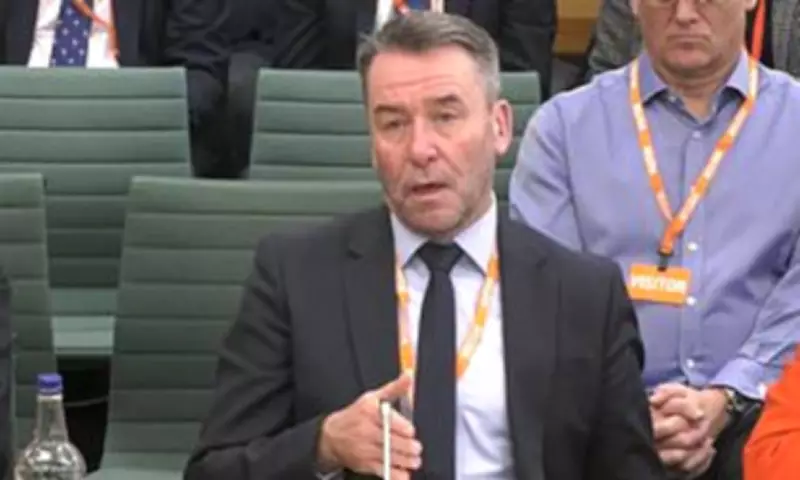
Chief executive Andy King issued a statement confirming: "Should we discover evidence that anyone exploited this vulnerability to access or modify another company's details without proper authorization, we will implement decisive corrective actions." The agency has also issued a formal apology for what they described as a significant operational blunder.

This incident highlights ongoing cybersecurity challenges within public sector digital infrastructure and underscores the critical importance of robust data protection measures for business registries handling sensitive corporate information.