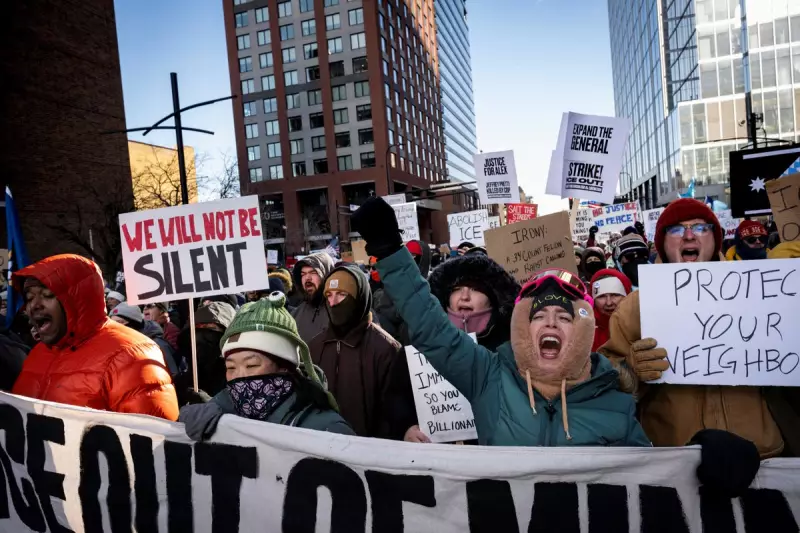
In a significant development, former President Donald Trump has declared a "de-escalation" of federal immigration enforcement operations in Minnesota, responding to widespread public outrage over the fatal shootings of protesters Alex Pretti and Renee Good. This move comes amid intense scrutiny and calls for accountability, with Trump emphasising that it should not be interpreted as a full-scale "pullback," a distinction likely aimed at preserving support among his core political followers.
Political Maneuvering and Appointments
To oversee the adjusted immigration strategy in Minneapolis, Trump has appointed border czar Tom Homan, replacing Border Patrol Commander Greg Bovino. This reshuffle signals a strategic shift in handling the volatile situation. Additionally, Trump has engaged in discussions with Homeland Security Secretary Kristi Noem, highlighting the administration's focus on managing the fallout from the shootings while maintaining operational control.
Controversial Remarks and Political Tensions
Amidst these developments, Trump made a controversial and unsympathetic comment regarding Minnesota Democratic Representative Ilhan Omar. He suggested she "probably had herself sprayed" following an incident where she was attacked with a syringe. This remark has sparked further debate, as it came after Omar had publicly called for Secretary Noem to resign or face impeachment in connection with Pretti's killing, underscoring the deep political divisions surrounding the events.
Backlash and Broader Implications
The announcement of de-escalation has not been without its critics, particularly from Trump's MAGA base, who view any perceived softening on immigration enforcement as a betrayal. This backlash reflects the ongoing tensions within the political landscape, where immigration policies remain a polarising issue. The situation in Minnesota continues to evolve, with implications for federal-state relations and public safety protocols.
As the story unfolds, stakeholders are closely monitoring the implementation of these changes and their impact on community relations and law enforcement practices in the region.