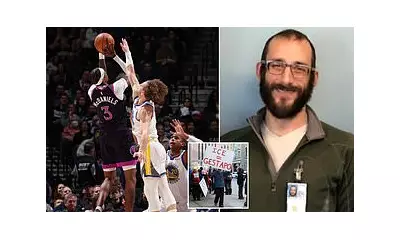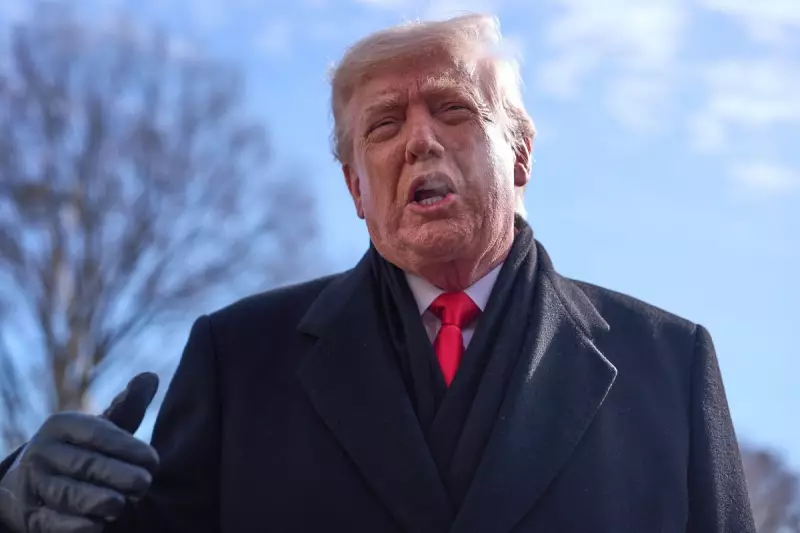
Former President Donald Trump delivered a significant campaign-style address in Des Moines, Iowa, on Tuesday, where he notably avoided any direct reference to Alex Pretti, the 37-year-old American citizen who was fatally shot by Border Patrol agents. Instead, the speech was dominated by Trump's reflections on his political successes and sharp criticisms of the current administration's approach to border security.
Electoral Boasts and Future Ambitions
During his appearance, Trump extensively highlighted his perceived economic achievements and celebrated his electoral victories in Iowa across the 2016, 2020, and 2024 presidential elections. He went further by hinting at the possibility of launching a fourth presidential bid, underscoring his enduring influence within the Republican base and his intentions to remain a central figure in American politics.
Immigration Policies Under Fire
A core focus of Trump's remarks was his vehement critique of President Joe Biden's immigration policies. He labelled them as an "open border" strategy, managed by what he described as a "group of morons." This rhetoric aligns with his long-standing hardline stance on immigration, which has been a cornerstone of his political messaging since his initial campaign.
Earlier Comments on Pretti Incident
Earlier on Tuesday, prior to the Iowa speech, Trump had addressed the fatal shooting of Alex Pretti. While expressing sympathy for Pretti, he also implied blame, stating that Pretti should not have been carrying a gun. This comment has sparked debate, with critics arguing it shifts focus away from the actions of Border Patrol agents. However, these remarks were conspicuously absent from his formal speech in Des Moines, leaving the incident unmentioned amidst broader political narratives.
The omission of Pretti's case in Trump's Iowa address raises questions about the prioritisation of political messaging over addressing specific incidents of violence. As the story develops, it highlights ongoing tensions around immigration enforcement and public discourse in the United States.