Trump's 'De-escalation' Pledge Amid Continuing Minnesota Immigration Raids
President Donald Trump has publicly stated he intends to "de-escalate a little bit" the aggressive immigration enforcement crackdown underway in Minnesota, even as federal raids continue without interruption. The announcement comes amidst escalating national outrage following two fatal shootings by federal immigration agents in the state, which have sparked widespread protests and political fallout.
Ongoing Operations Despite Presidential Rhetoric
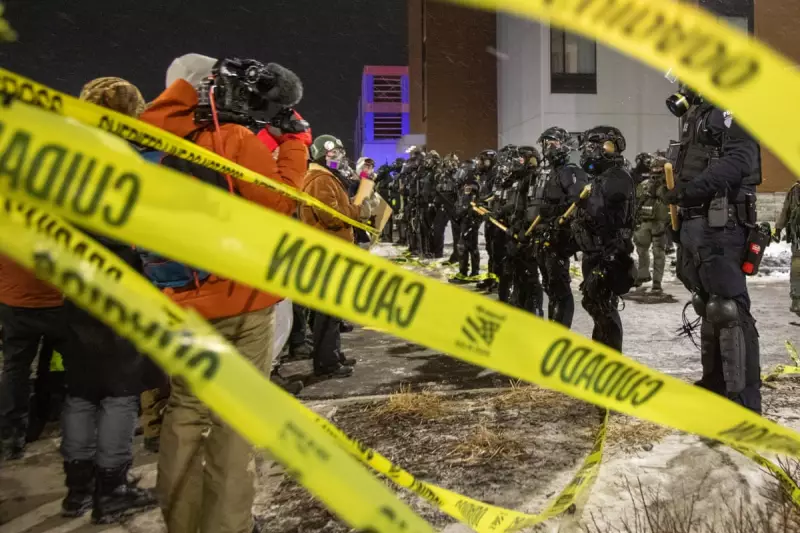
Despite Trump's verbal commitment to reducing tensions, Immigration and Customs Enforcement (ICE) and US Border Patrol operations have persisted unabated. On Wednesday, agents conducted further raids across Minnesota, maintaining the same intensity that has characterised enforcement actions since the controversial shootings began. Notably, federal agents reportedly attempted to enter the Ecuadorian consulate in Minneapolis without a warrant on Tuesday, highlighting the continued aggressive approach.
Fallout from Alex Pretti Shooting Intensifies
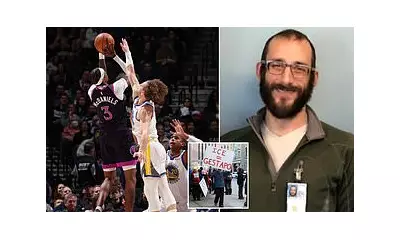
The killing of Alex Pretti, an ICU nurse at a local veterans' hospital, on Saturday continues to generate significant political pressure on the White House. Trump offered contradictory statements about the incident during an Iowa rally, refuting his senior adviser Stephen Miller's characterization of Pretti as an "assassin" while simultaneously blaming the victim for carrying a legally-licensed firearm.
Administration officials have faced severe criticism for their portrayal of events. Homeland Security Secretary Kristi Noem labelled Pretti a "domestic terrorist", a claim that has been widely challenged by video evidence and sparked backlash from unexpected quarters, including gun rights organisations like the National Rifle Association, which have defended Pretti's legal right to bear arms.
Massive Protests Planned Nationwide
Organisers are preparing for a third round of "No Kings" protests scheduled for 28 March, galvanised by the consecutive fatal incidents in Minnesota but broadly opposing what participants describe as Trump's efforts to consolidate executive power. Coordinated by a coalition of groups across the United States, some estimates suggest the demonstrations could attract up to nine million participants, potentially making it the largest protest in American history.
"This is in large part a response to a combination of heinous attacks on our democracy and communities coming from the regime, and a sense that nobody's coming to save us," explained Ezra Levin, co-executive director of the non-profit organisation Indivisible.
Political Repercussions and Investigative Obstacles
On Capitol Hill, the three most senior House Democrats have endorsed growing calls to impeach Homeland Security Secretary Kristi Noem. Meanwhile, Minnesota investigators face significant obstacles, with federal agents refusing access to crime scenes despite Governor Tim Walz's criticism that federal agencies "don't even have a crime lab". Notably absent has been any independent civil rights investigation by the Department of Justice.
The rapidly evolving situation appears to have occasionally caught the President off guard. Trump initially suggested he shared "the same wavelength" with Minnesota Governor Tim Walz and Minneapolis Mayor Jacob Frey, but later expressed frustration on Truth Social that Frey refused to assist federal immigration officers, warning the mayor was "PLAYING WITH FIRE" by not enforcing federal immigration laws.
Administration Infighting and Blame Shifting
Internal tensions within the administration have surfaced prominently. Trump temporarily replaced US Border Patrol Commander Gregory Bovino with his "border czar" Tom Homan, seemingly penalising Noem for her false characterisation of Pretti. However, Noem's position appears secure after she met with Trump in the Oval Office to complain about unfair blame, alleging her remarks had been scripted by Stephen Miller.
Miller, who initially attacked Pretti following the shooting, has since shifted blame to Customs and Border Protection (CBP), accusing the agency of providing inaccurate information to the White House and faulting Bovino for operational decisions. "We are evaluating why the CBP team may not have been following that protocol," Miller stated regarding enforcement procedures in Minnesota.
Contradictory Official Accounts
A preliminary report from CBP's internal watchdog, delivered to lawmakers on Tuesday, stated Pretti was shot while resisting arrest by two border patrol agents. Conspicuously absent from the report were Noem's initial claims that Pretti intended to "do maximum damage and massacre law enforcement" or that he was "brandishing" a firearm when agents tackled and shot him approximately ten times in the back.
The discrepancy between official narratives and available evidence continues to fuel public scepticism and political tension as Minnesota remains at the centre of a national debate about immigration enforcement methods and governmental accountability.