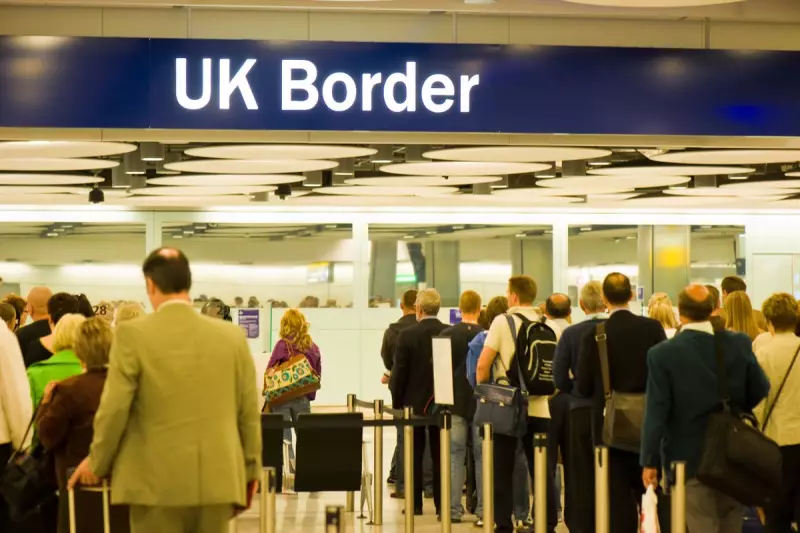
British nationals who hold dual citizenship will soon face a significant change to how they return to the United Kingdom. The Home Office has confirmed a new rule that will require all such individuals to prove their British status with specific documentation upon arrival.
What is Changing for Dual Nationals?
Starting on 25 February 2026, a pivotal shift in border policy takes effect. British dual citizens will no longer be permitted to enter the UK using only a passport from another country. This change impacts all British and Irish dual citizens residing or travelling abroad, including those living within the European Union.
Under the new regulations, entry will be contingent on presenting one of two documents:
- A valid British passport.
- A certificate of entitlement to the right of abode.
This move is part of the broader implementation of the Home Office's Electronic Travel Authorisation (ETA) scheme. It is important to note that while British and Irish citizens are exempt from needing an ETA themselves, the requirement for definitive proof of citizenship at the border is being tightened.
Financial and Practical Implications
The rule change carries immediate practical and financial consequences for potentially hundreds of thousands of people. Obtaining the necessary documentation involves notable costs, which are higher for applications made from overseas.
The standard fee for a new British passport for an adult is approximately £94.50. In contrast, the alternative document, a certificate of entitlement, is considerably more expensive at £589.
Failure to comply with the new requirement from the February deadline could result in entry being refused by UK Border Force officers. This makes it imperative for affected individuals to check their documentation validity well in advance of any planned travel.
Who Needs to Take Action?
This policy shift specifically targets dual nationals who have grown accustomed to entering the UK on a non-British passport. It is particularly relevant for:
- British citizens living permanently in EU nations or other countries overseas.
- Those who travel frequently and may have let their UK passport expire.
- Individuals who possess British citizenship by descent but have never held a UK passport.
The message from the Home Office is clear: proving your British citizenship at the border is now a mandatory step. With the deadline set for 25 February 2026, dual citizens are urged to review their travel documents immediately to avoid disruption to their plans.