UK Politicians' Race to the Bottom on Immigration: A Call for Refugee Voting Rights
In the aftermath of the Gorton and Denton by-election, UK politicians are embroiled in a fierce competition to adopt the most stringent anti-immigration stances. This race to the bottom has sparked intense debate, with columnist Zoe Williams proposing a simple yet unexpected solution: fighting for refugees to gain voting rights.
By-Election Fallout and Controversial Claims
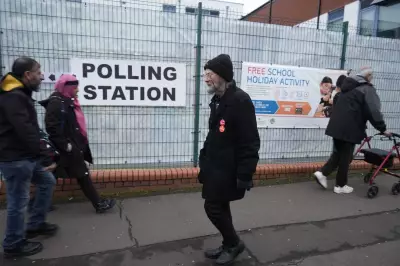
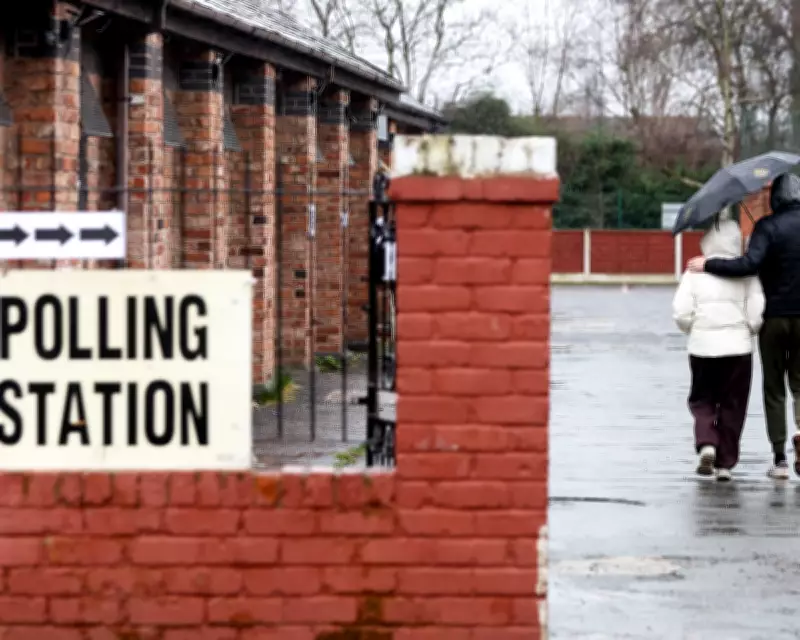
The recent by-election in Gorton and Denton has ignited a firestorm of accusations and political posturing. Nigel Farage, leader of the Reform party, expressed concerns about democracy, alleging his party fell victim to sectarian voting and cheating. This concept of sectarian voting raises questions: if it merely means groups with shared beliefs voting similarly, isn't that fundamental to all elections?
Drilling deeper, the controversy centers on family voting, where one family member allegedly dictates others' votes. A volunteer polling observers group reported witnessing this in 12% of cases, though specifics remain unclear. Williams humorously recounts her own experience with family pressure in the 1997 election, when her mother insisted she vote Labour instead of spoiling her ballot.
Racially Coded Rhetoric and Political Responses
The discussion around family voting carries racial undertones, which Kemi Badenoch addressed on social media platform X. She attributed the Tory party's poor by-election performance to what she called the monster of harvesting Muslim community bloc votes. This phrasing, as Williams notes, bizarrely combines supernatural threats, dystopian imagery, and organ theft references into a single alarming assertion: that Muslims exist and exercise their democratic rights.
Meanwhile, Home Secretary Shabana Mahmood has proposed significant legislative changes affecting asylum seekers. Her plan would make refugee status temporary, requiring renewal every 30 months, with potential deportation if home countries become safer. Given global instability, Williams questions the feasibility of this approach and notes internal Labour party resistance to what some see as Farage-lite posturing.
The Endless Race and a Radical Proposal
Williams describes this political competition as a unique race with no finish line. Just when politicians exhaust one round of divisive rhetoric, new proposals emerge—like stripping voting rights from mosque visitors—forcing them to continue running. For spectators, this spectacle proves absolutely nauseating to witness.
Reflecting on a conversation in Berlin years after Brexit, Williams recalls a feminist panel where someone suggested campaigning for refugee voting rights as a successor to the suffrage movement. Initially dismissive, Williams now believes this radical idea holds merit. She argues that Can that person vote? is the only language many politicians understand, and creating an out-group of non-voters allows them to perpetuate division.
Why Voting Rights Matter for Refugees
In today's political climate, Islamophobia and anti-immigration rhetoric have become currency in the marketplace of ideas. Williams contends that appealing to humanity case by case is ineffective. Instead, she advocates for whatever it takes to make everyone a person again in the eyes of political discourse—specifically, fighting for refugees' voting rights.
This approach would force politicians to recognize refugees as constituents with voices, potentially shifting the conversation from dehumanizing rhetoric to practical engagement. As UK politics continues its downward spiral on immigration issues, Williams' proposal offers a provocative alternative to the current race to the bottom.