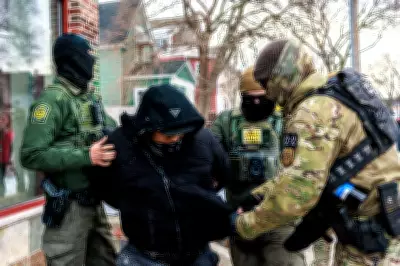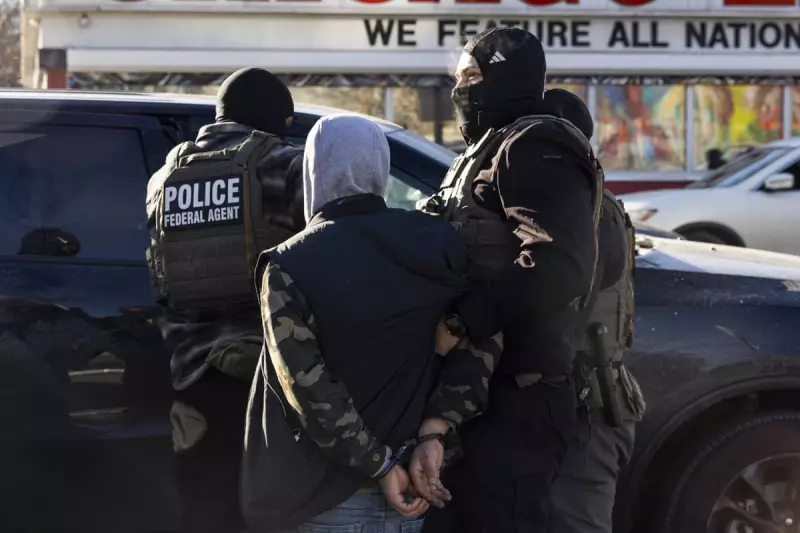
In an unprecedented escalation of tensions over immigration policy, city and state officials across the United States are threatening to arrest federal immigration agents accused of misconduct, as the Trump administration signals it will not prosecute its own officers.
A New Front in the Immigration Wars
The rhetoric has moved from simple non-cooperation to active confrontation. Rochelle Bilal, the Sheriff of Philadelphia, issued a stark warning last week to Immigration and Customs Enforcement (ICE) agents: "If any of them want to come in this city and commit a crime, you will not be able to hide." Her comments, while politically charged, reflect a growing sentiment among municipal leaders.
They are no longer alone in their defiance. Minneapolis Mayor Jacob Frey told ICE directly to "get the fuck out of Minneapolis". This follows actions by other cities like Boston, where Mayor Michelle Wu signed an executive order in June requiring regular Freedom of Information Act requests to track ICE arrests.
The shift comes amid widespread accusations of abusive conduct by federal agents during stepped-up enforcement operations. The situation reached a critical point following the fatal shooting of Renee Nicole Good in Minneapolis by an ICE officer last week. In its wake, at least four senior leaders of the Department of Justice's civil rights division and six federal prosecutors in Minnesota resigned over the administration's handling of the case.
The Legal Battle Over State Power
With the federal government appearing unwilling to hold its agents to account, state and local prosecution has emerged as the sole potential legal remedy. The legal foundation for this rests on the limits of "supremacy clause immunity," which protects federal officers only when they are acting within the bounds of their lawful duties.
"States are legally permitted to prosecute federal officials for state crimes – within limits," wrote Bryna Godar, a staff attorney at the University of Wisconsin Law School, in a July explainer. She noted immunity does not apply when agents act egregiously or violate federal law.
This theory is now being tested. New York Attorney General Letitia James launched an online portal to gather evidence of federal misconduct during ICE operations. In Illinois, Governor JB Pritzker formed an accountability commission to document agent activities during the controversial "Midway Blitz" operation.
Furthermore, California enacted two new laws on 1 January aimed at increasing transparency: the No Secret Police Act and the No Vigilantes Act. These require federal officers to identify themselves and prohibit masking. However, a legal challenge by federal agencies has temporarily blocked their enforcement.
Administration Pushback and an Uncertain Future
The Trump administration has forcefully rejected local authority. Stephen Miller, the White House senior adviser, reiterated claims of federal immunity on Fox News, stating ICE officers have immunity and that anyone obstructing them is committing a felony. The Department of Homeland Security (DHS) X account reposted his comments.
In court, DHS argued that revealing agent identities could lead to targeting by cartels and activists, justifying concealment. They have stated they do not intend to comply with the California laws, leaning on the supremacy clause.
Despite the fiery rhetoric, a direct street-level showdown is considered unlikely. Cristine Soto DeBerry of the Prosecutors Alliance suggested a more measured approach: "If I were a police officer, I think that my preference would be to document it... and allow the prosecuting agency in my jurisdiction to decide."
Meanwhile, former Chicago Mayor Lori Lightfoot is leading an effort to document abuses for future prosecution, hoping accumulated evidence will force action. District Attorneys in Philadelphia and San Francisco have also called for arrests of law-breaking ICE agents.
As the legal and political standoff continues, with a federal court ruling on California's laws pending, the fundamental question remains: who polices the federal police when the administration in charge declares it will not?