A federal appeals court in the United States has delivered a significant blow to Palestinian activist Mahmoud Khalil, overturning a previous decision that secured his release from immigration detention. The ruling represents a major victory for the administration of former President Donald Trump in its ongoing campaign to deport the prominent pro-Palestinian voice.
Court Reinstates Deportation Pathway
On Thursday, a panel of the Philadelphia-based third US circuit court of appeals ruled by a 2-1 majority to reverse a lower court's order that had freed Mahmoud Khalil. The court found that federal immigration law effectively removed the lower court's jurisdiction to hear Khalil's challenge to his detention.
The majority opinion, written by circuit judges Thomas Hardiman and Stephanos Bibas, stated that the legal framework established by Congress provides Khalil with a future opportunity to raise his claims. "The scheme Congress enacted governing immigration proceedings provides Khalil a meaningful forum in which to raise his claims later on–in a petition for review of a final order of removal," they wrote.
The judges emphasised that the system ensures petitioners get "just one bite at the apple–not zero or two," but conceded this means some, like Khalil, "will have to wait to seek relief for allegedly unlawful government conduct." They concluded that Khalil's petition for release should have been addressed by an immigration court in the first instance.
Who is Mahmoud Khalil?
Mahmoud Khalil is a permanent US resident and a recent graduate of Columbia University, where he became a leading figure in campus activism supporting Palestine. He helped organise protests and encampments calling for a ceasefire in Gaza and an end to American support for Israel.
His initial detention by Immigration and Customs Enforcement (ICE) authorities last year sparked widespread condemnation from civil liberties groups. These organisations accused the Trump administration of unlawfully targeting and suppressing pro-Palestinian speech through immigration enforcement.
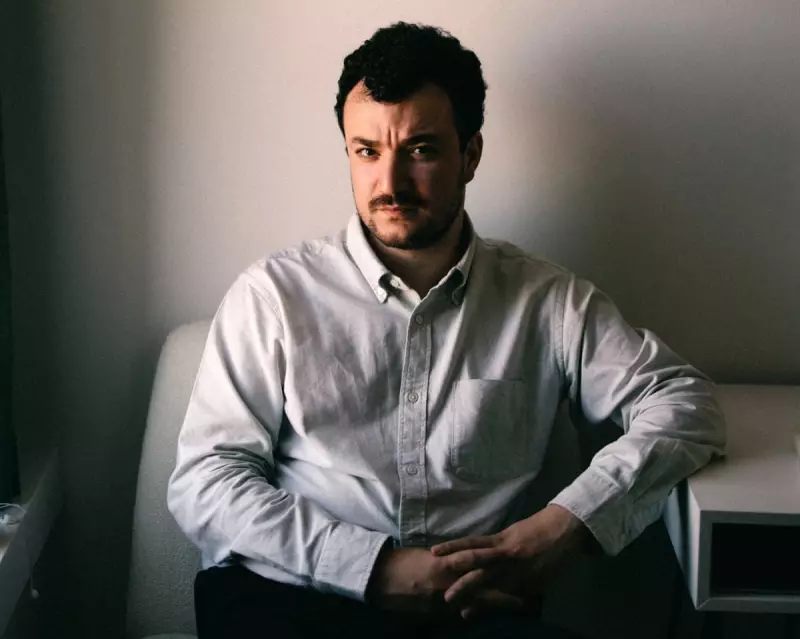
Khalil was released from ICE detention back in June following the lower court's ruling. A portrait of him at his apartment in Brooklyn, New York, was taken on 25 August 2025.
Implications for Activism and Immigration Law
This latest judicial decision has immediate and profound consequences. It reactivates the deportation process against Khalil and sets a legal precedent that could limit the avenues other immigration detainees have to challenge their confinement in federal court.
The ruling is seen as a reinforcement of the Trump administration's hardline stance on immigration and its efforts to deport individuals involved in political activism it opposes. It underscores the ongoing tension between national immigration enforcement powers and the rights of non-citizen residents.
As the case returns to the immigration court system, Khalil's future in the United States is once again thrown into uncertainty, and his situation remains a focal point for debates on free speech, activism, and the scope of executive power in immigration matters.