US Deports Another Group of Third-Country Nationals to Cameroon Amid Controversy
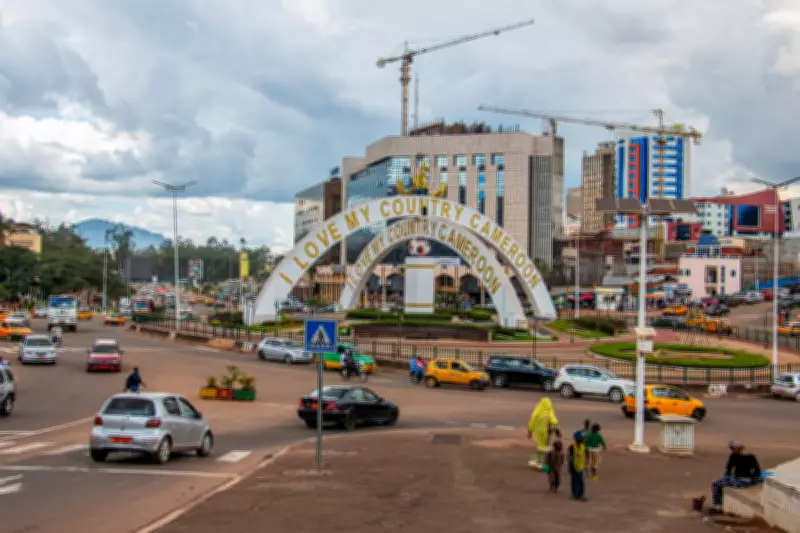
Lawyers have informed The Associated Press that a new group of third-country nationals has been deported by the United States to Cameroon, marking the second such flight in recent weeks. This development follows revelations that the Trump administration secretly sent nine individuals to the Central African nation last month as part of a program to remove immigrants to countries with which they have no connections.
Details of the Latest Deportation Flight
Alma David, a lawyer with the US-based Novo Legal Group, reported that a deportation flight carrying migrants who are not Cameroonian citizens landed in the capital, Yaounde, on Monday. David, along with Cameroon-based lawyer Joseph Awah Fru, estimated that eight third-country nationals were on the plane, though they had not yet spoken to them directly. The lawyers are currently providing legal advice to the nine migrants—five women and four men from various African countries—who were deported to Cameroon last month, and they plan to extend counsel to the new arrivals as well.
"For now, my focus is handling their shock," Fru stated, highlighting the emotional toll on the deportees. A White House official, speaking anonymously due to lack of authorization, acknowledged the second flight but provided no further details.

Background and Legal Concerns
The New York Times first reported on the initial group of nine deportees sent to Cameroon last month. According to David, two of those individuals have since been repatriated to their home countries. Notably, eight of the nine had protection orders from US immigration judges, preventing their deportation to their home countries due to fears of persecution or torture—some based on sexual orientation and others on political activity.
David described deporting them to a third country like Cameroon, from where they could potentially be sent home, as a legal "loophole." Fru explained, "That is why the United States did not send them directly to their countries. Because there is cause for concern that they might be harmed, that their lives are threatened." None of the nine had criminal records beyond driving-related offenses, though details on the latest group remain unclear.
Financial Agreements and Broader Program
Cameroon, under the long rule of 93-year-old President Paul Biya since 1982, is the latest of at least seven African nations to enter into agreements with the US to accept deported third-country nationals. Others include South Sudan, Rwanda, Uganda, Eswatini, Ghana, and Equatorial Guinea. Documents from the US State Department reveal that some of these countries have received millions of dollars in payments for accepting migrants, though specifics of the Cameroon deal have not been disclosed.
A report by the Democratic staff of the Senate Foreign Relations Committee, released last week, indicates that the Trump administration has spent at least $40 million to deport roughly 300 migrants to countries other than their own across Africa, Central America, and elsewhere. Internal administration documents reviewed by the AP show 47 third-country agreements in various stages of negotiation, with 15 concluded and 10 near completion.
Official Statements and Criticisms
In a statement to the AP, the US State Department declined to comment on diplomatic communications but emphasized that "implementing the Trump Administration’s immigration policies is a top priority," adding a commitment to "end illegal and mass immigration and bolster America’s border security." Cameroon's Foreign Ministry did not respond to requests for comment.
The US Department of Homeland Security confirmed deportations to Cameroon in January but did not provide details on third-country migrants or comment on the second flight. It stated, "We are applying the law as written. If a judge finds an illegal alien has no right to be in this country, we are going to remove them. Period. These third-country agreements, which ensure due process under the US Constitution, are essential to the safety of our homeland and the American people."

Human Rights and Legal Challenges
The Trump administration has defended third-country deportation deals as a deterrent to illegal immigration and part of a crackdown on dangerous criminals. However, activists and lawyers argue that sending migrants to countries with poor human rights records risks denying them due process and exposing them to abuse. A notable case involves five nationals from Vietnam, Jamaica, Cuba, Yemen, and Laos deported to Eswatini last year, all convicted of serious crimes like murder and rape, who have served their sentences but are now held without charges in a maximum-security prison for over six months without lawyer access.
Eswatini, ruled by King Mswati III as Africa's last absolute monarchy, is set to receive $5.1 million for accepting up to 160 third-country deportees, according to State Department documents. The king has faced accusations of suppressing pro-democracy protests while using public funds for personal luxury.
This ongoing program continues to spark debate over immigration enforcement, human rights, and international diplomacy.