Damning Poll Reveals Widespread Belief That Border Patrol Murdered Minnesota Nurse
A devastating new national survey has uncovered that a clear majority of American voters now believe that Minnesota nurse Alex Pretti was murdered by agents from Donald Trump's Border Patrol. The shocking findings emerge from the latest Daily Mail/JL Partners poll, conducted on Monday among over 1,000 registered voters across the United States, which indicates a profound crisis of public confidence in federal immigration enforcement operations.
Graphic Incident Details and Polling Numbers
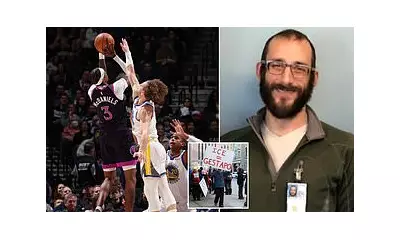
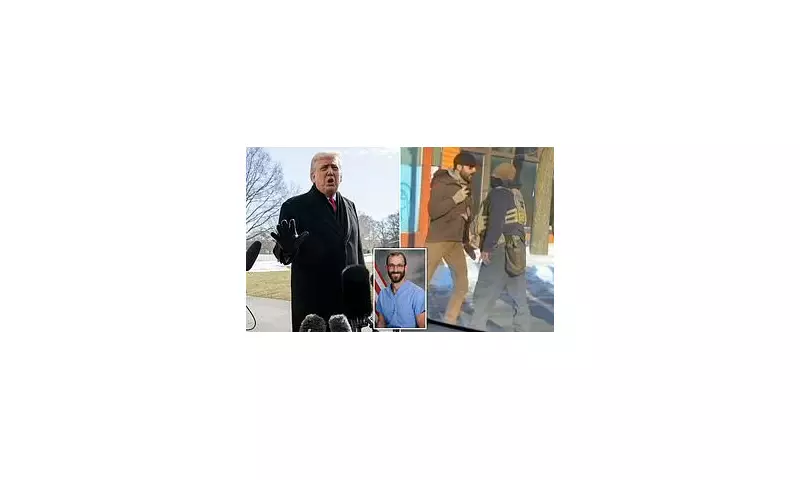
The 37-year-old Department of Veterans Affairs intensive care unit worker was fatally shot approximately ten times on Saturday morning in Minneapolis. He died at the scene. Disturbing video footage of the event, widely circulated online, shows Pretti being apprehended by more than half a dozen federal agents before he was ultimately shot in the back. Authorities confirmed that Pretti was in possession of a handgun and two fully loaded magazines when initially encountered, a fact which reportedly put the officers on high alert.
However, a critical detail from the footage suggests that just moments before he was shot and killed, an agent successfully disarmed Pretti. According to the comprehensive poll, 54 percent of American voters believe that this federal law enforcement action constituted murder, with a margin of error of 3.1 percent. Strikingly, the sentiment crosses partisan lines, with over one in five Republicans (22 percent) agreeing that Pretti's killing was murder. Conversely, a mere 21 percent of all respondents indicated that shooting and killing the nurse was a justified use of force.
National Shock and Political Fallout
The killing has sent shockwaves across the nation, coming less than three weeks after Minnesota woman Jennifer Good was also shot and killed by federal immigration agents. The twin tragedies have sparked significant protests in Minneapolis and throughout the state, severely shaking public confidence in presidential leadership and the aggressive deportation mandate. In the immediate aftermath, the Trump administration hastily labelled Pretti as a domestic terrorist intent on killing federal agents.
Department of Homeland Security Secretary Kristi Noem and Trump's senior advisor Stephen Miller have since been forced to backtrack on their incendiary initial comments. Miller had posted on social media within hours, calling Pretti "a would-be assassin," but later blamed Customs and Border Protection for supplying the White House with faulty information that led to those statements. President Donald Trump himself commented on Tuesday, stating simply that Pretti "shouldn't have been carrying a gun," a remark that has done little to quell the growing outrage.
Calls for Investigation and Internal Turmoil
Democrats and Republicans in Congress have united in calling for a full, transparent investigation into the shooting. Customs and Border Protection has launched an internal review, as have local authorities in Minneapolis, though the FBI has given no indication it will open a probe. A preliminary CBP investigation has reportedly found that two agents opened fire on Pretti.
The political repercussions are intensifying within the administration. Since Saturday, President Trump has elevated Border Czar Tom Homan to lead ICE deportation operations in Minnesota, a move widely interpreted as a condemnation of Secretary Noem's handling of the mission that deployed 3,000 federal agents to the state. A close ally of Noem, former Border Patrol chief Greg Bovino—the public face of the on-ground force—has been reassigned to his California border sector, stripped of his title, and reportedly locked out of his social media accounts after online disputes. Indications suggest Bovino is now planning to retire soon, underscoring the significant internal turmoil following these fatal incidents.
The poll results starkly illustrate the precarious position of President Trump's immigration enforcement policies following two American deaths, highlighting a deep and growing divide between federal authority and public trust.