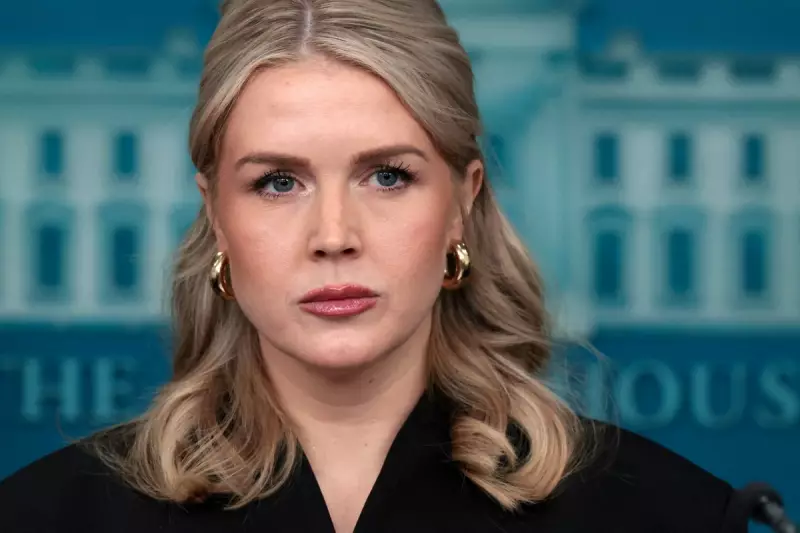
White House Press Secretary Karoline Leavitt launched a furious attack on journalists during a briefing, branding one reporter a "left-wing hack" as she faced intense questioning over immigration enforcement and former President Donald Trump's rhetoric.
Explosive Exchange Over ICE Custody Deaths
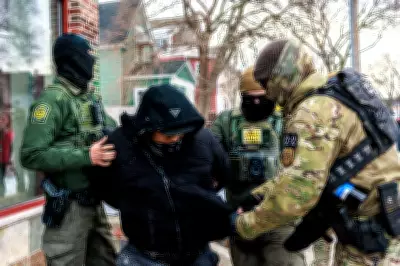
The confrontation erupted on Thursday 15 January 2026, when Leavitt was pressed on the conduct of Immigration and Customs Enforcement (ICE) under the Trump administration. The questions followed the killing of Renee Good and the reported 32 deaths in ICE custody during 2025.
When a journalist from The Hill inquired about ICE's actions, Leavitt refused to address the agency's conduct directly. Instead, she launched a personal attack, labelling the reporter a "left-wing hack" and accusing him of "posing" as a journalist. She broadly criticised the press corps present, claiming they held "crooked" and "biased" views.
Leavitt urged reporters to focus on what she termed the facts concerning "innocent Americans killed by illegal aliens." She deflected further questions about citizens being wrongly arrested by ICE, stating the agency's primary focus was detaining individuals unlawfully present in the United States.
Dismissing Trump's Election Remarks as a 'Joke'
The press secretary also faced scrutiny over comments made by Donald Trump regarding the cancellation of elections. When The Independent asked about the remarks, Leavitt dismissed the concern, stating Trump was clearly "joking" and that the reporter was taking it "too seriously."
A Pattern of Confrontation
This incident highlights the increasingly adversarial relationship between the current administration and elements of the press corps. The briefing, intended to communicate official policy, descended into a spectacle of personal insults and evasive answers on critical issues of state conduct and democratic integrity.
The refusal to engage with substantive questions about deaths in custody and the casual dismissal of concerns about electoral integrity signals a contentious path ahead for White House communications. The episode underscores the challenges facing journalists attempting to hold power to account in a highly polarised political environment.