Conservative Influencers Champion ICE Amid Controversial Minneapolis Operations
Prominent figures within the so-called "womanosphere" movement are actively discouraging their followers from expressing compassion towards individuals affected by recent Immigration and Customs Enforcement (ICE) operations in Minneapolis. This stance emerges amidst growing public scrutiny over the agency's tactics, including the detention of a five-year-old boy.
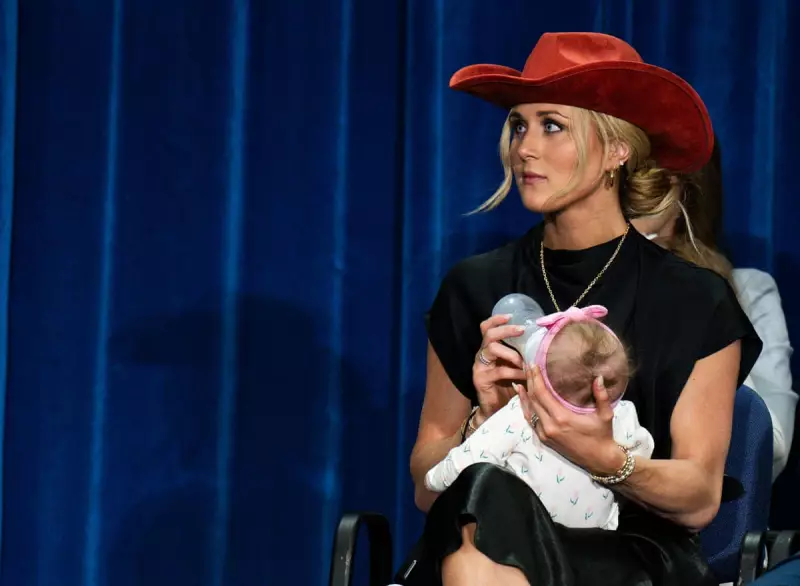
Riley Gaines: Motherhood Brand Meets Unwavering ICE Support
Riley Gaines, the former collegiate swimmer turned conservative activist, recently used her platform to thank ICE agents. This occurred despite widespread outrage over images of agents holding a young boy named Liam Ramos. Gaines, who frequently incorporates her identity as a new mother into her public persona, argued that agents should be thanked for not abandoning the child, contradicting witness accounts that the father had been detained.
"Do not let compassion, or what you believe to be compassion, cloud you or suspend you from thinking critically," Gaines advised her audience, explicitly urging them to avoid sympathy for victims like Ramos.
Allie Beth Stuckey and the Doctrine of "Toxic Empathy"
Fellow conservative podcaster Allie Beth Stuckey has echoed this sentiment, framing empathy as a potential weakness. Stuckey, author of "Toxic Empathy," argues that progressive forces exploit Christian compassion. She has been working to counter what she calls "anti-ICE propaganda," blaming emotionally charged imagery for swaying public opinion against the agency's enforcement actions.
"The propaganda … starts to chip away at their conscience," Stuckey stated during an appearance on Megyn Kelly's podcast, reinforcing her message that emotional responses undermine critical judgement.
Cracks in the Facade: Dissent Emerges Among Followers
However, the violent incidents in Minneapolis, including the shootings of Renee Good and Alex Pretti, are testing the unity of this message. Some followers on social media platforms have begun to express doubts, questioning where the line should be drawn when enforcement actions are perceived as inhumane.
April Ajoy, a former evangelical Christian and author, notes that the rigid, black-and-white ideology promoted by these influencers is facing new scrutiny. "I’ve seen people... who say: ‘I voted for Trump, I supported ICE, but I can’t support what they’re doing now,'" Ajoy reported, suggesting a potential turning point for some conservatives.
Polling Indicates Shifting Republican Sentiment
Supporting this observation, polling data indicates a slight but notable shift. Following Pretti's death, the percentage of Republicans somewhat in favour of abolishing ICE rose from 15% to 19%, signalling growing internal dissent within the political right regarding immigration enforcement strategies.
Alternative Messaging: Disengagement as a Strategy
Not all womanosphere responses engage directly with the policy debate. Influencer Alex Clark exemplified an alternative approach, detailing a day of leisure activities while ICE operations were underway, implicitly encouraging her audience to disengage from the political turmoil.
Academic Mariah Wellman, who studies such influencers, interprets this as giving permission to a specific demographic. "To the white, Christian women in her audience, that’s further permission to disengage with politics," Wellman explained, framing it as a form of self-care that avoids confrontation.
The Core Message: Distrust Your Emotions
The unifying thread from these influential voices is a directive for their followers, particularly women, to distrust their emotional responses to reports of ICE activities. Stuckey summarised this position clearly in a recent podcast episode, stating, "I want you to think. Because women, you are not just feelers." This ongoing campaign seeks to fortify support for ICE by characterising empathy as a manipulative tool, even as real-world events challenge that narrative.