A grieving mother who believes her son's death is connected to social media has issued an urgent plea to Prime Minister Keir Starmer, demanding immediate reforms to prevent further child fatalities.
Mother's Campaign for Change
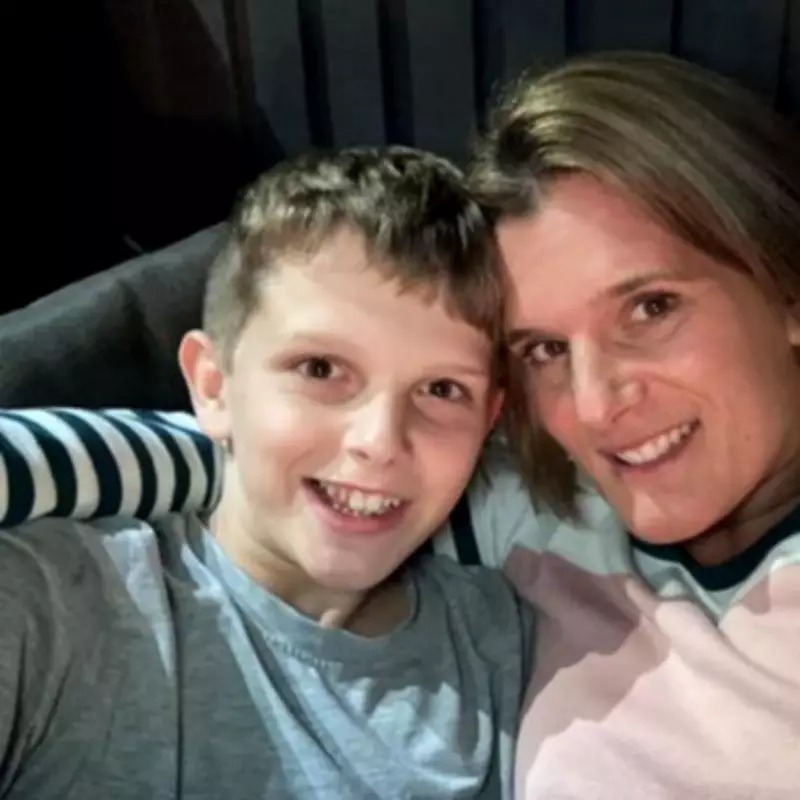
Ellen Roome, from Cheltenham, lost her 14-year-old son Julian "Jools" Sweeney in 2022. After years of relentless campaigning, she successfully achieved a legislative change that automatically preserves a child's digital data following their death. However, Ms Roome insists this is not enough and is calling for faster, more decisive action to address online harms.
"We've Still Got Children Being Harmed and Dying Now"
In an exclusive interview, Ms Roome acknowledged that ministers are "stepping up" but stressed the need for greater urgency. "The fact that they're trying to do something now is fantastic, but we've still got children being harmed and dying now," she stated. "The longer we wait, we're going to have other things happen to other children."

She believes her son died after participating in an online challenge that went tragically wrong and is a staunch advocate for banning social media access for children under 16.
Government's Proposed Measures
Prime Minister Keir Starmer has pledged to act within "months, not years" to safeguard young people from addictive social media platforms. The government plans to launch a major three-month consultation next month, gathering evidence on potential measures including a social media ban for under-16s, overnight curfews, restrictions on doom-scrolling, and limitations on virtual private networks (VPNs).
Criticism of the Consultation Process
Ms Roome expressed strong opposition to the consultation, arguing that sufficient evidence of harm already exists. "I don't agree with this consultation. I think they should just clamp down now," she asserted. "We've got so much evidence of harm and children being affected by platforms, their mental health, their education, their learning. I don't see why we need more evidence."
She emphasized the importance of listening to bereaved parents, suggesting that if a politician had lost a child, action would have been taken already. "I would love to put more politicians in rooms of bereaved parents to listen to their lived experiences. Listen to our stories," she urged.
Diverging Views on a Social Media Ban
While Ms Roome supports a ban, other bereaved families and experts have cautioned against this approach. Ian Russell, whose 14-year-old daughter Molly died by suicide in 2017 due to online harms, recently collaborated with over 40 charities, experts, and bereaved parents to oppose what they describe as a "blunt response" to the internet crisis.
They warn that a ban could drive children into unregulated online spaces such as chatrooms or gaming platforms, potentially creating unintended consequences.
International Context and Political Pressure
Mr Starmer faces increasing pressure to implement a social media ban for under-16s, following Australia's lead last year. Earlier this month, Spain became the latest European country to propose similar bans, joining France, Denmark, and Austria.
During a visit to a London community centre, the Prime Minister acknowledged the complexity of the issue. "There are powerful arguments on both sides," he said, noting concerns from organizations like the NSPCC and feedback from teenagers who rely on social media for news.
Legislative Challenges and Technological Advances
Technology Secretary Liz Kendall highlighted the rapid pace of technological change, warning that innovations like artificial intelligence are outpacing existing safety laws. She proposed updating online safety legislation annually, similar to the Finance Bill process, to keep pace with evolving threats.
"It took us something like almost eight years to pass and implement the Online Safety Act," Ms Kendall noted. "We're going to have to start thinking about updating our legislation around technology much more regularly."
Ongoing Legal Battles and Unanswered Questions
Despite her legislative victory, Ms Roome continues to seek answers about her son's death. An inquest concluded that Jools took his own life, though the coroner indicated the precise details remained unclear.

Ms Roome is part of a lawsuit against TikTok, filed last year alongside other British families whose children died in similar circumstances. The legal action claims that Jools and four other children died while attempting the "blackout challenge," a viral trend that encourages self-choking until unconsciousness.
TikTok, owned by Chinese parent company ByteDance, asserts that the challenge has been blocked on its platform since 2020 and complies with UK data protection laws, which require deletion of personal data.
A Mother's Resolve
Reflecting on her campaign, Ms Roome acknowledged the personal cost. "Ultimately it's taken the loss of my son to get this far. There's no golden prize here. We're not going to bring him back," she said. "This law won't help me but it will help other bereaved parents. But ultimately, we need to stop children from dying in the first place, which means we need to do more with social media harms."
Her urgent message to the government remains clear: act now to protect vulnerable children from the dangers lurking online.