

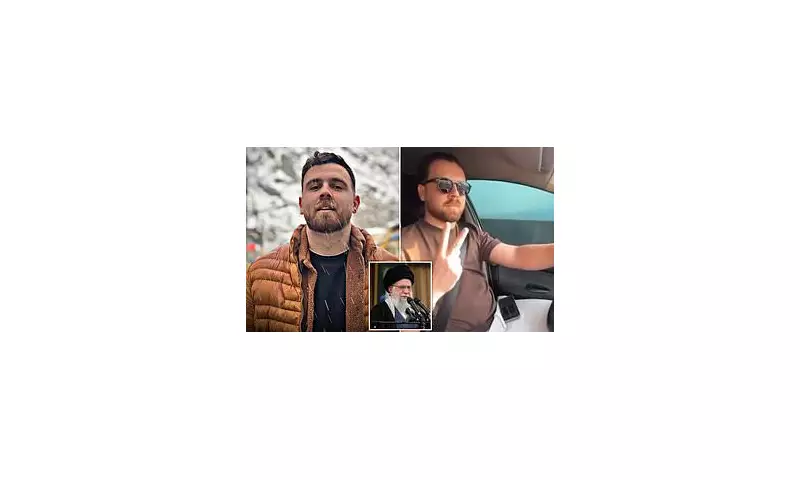
Iran is poised to carry out the first execution of a detained protester since nationwide anti-government demonstrations erupted late last year, according to human rights organisations. The planned hanging marks a severe escalation in the regime's brutal efforts to suppress dissent.
Fast-Tracked to the Gallows
Erfan Soltani, a 26-year-old clothes shop owner, is scheduled to be hanged on Wednesday after a judicial process described as "unprecedented" and "heavily fast-tracked." He was arrested at his home in Fardis, Karaj, last Thursday for allegedly participating in a protest. Authorities informed his family just days later of the final death sentence, granting them only a brief ten-minute final visit.
Arina Moradi of the Hengaw Organisation for Human Rights, who has spoken with Soltani's family, stated the young man was "never a political activist" but part of a generation protesting the current situation. She confirmed he was denied access to a lawyer, the charges were unclear, and his family was kept in the dark throughout the process. "He was detained last Thursday, and there was no information about him for days," Moradi told the Daily Mail.

A Nationwide Crackdown and Mounting Death Toll
Soltani's case emerges amid a sweeping and violent state response to protests that began on 28 December, initially sparked by economic grievances and a collapsing currency. According to the US-based Human Rights Activists News Agency (HRANA), at least 10,700 individuals have been arrested since the unrest started.
The death toll is believed to be substantial. While an Iranian official admitted to Reuters that around 2,000 people were killed, blaming "terrorists," the Norway-based NGO Iran Human Rights warned the figure is likely much higher—potentially exceeding 6,000. Graphic videos have circulated showing morgues filled with bodies, and sources report security forces demanding "payment for bullets" before releasing victims to grieving families.
Internet access remains severely restricted, with a blackout passing 108 hours, hindering communication and the flow of information. Rubina Aminian, a 23-year-old student, was among those killed, shot in the head at close range during a protest last Thursday.
International Condemnation and Threats of Escalation
The international community has reacted with horror and threats of further action. The UN human rights chief said he was "horrified" by the violence, while German Chancellor Friedrich Merz declared the Iranian regime was living out its "last days." The EU is preparing additional sanctions.
US President Donald Trump has been briefed on military options, including long-range strikes and cyber operations, according to Pentagon officials. Trump has threatened to impose 25% tariffs on countries trading with Tehran and stated the US "may have to act" due to the bloodshed. Iran's foreign minister retorted that Tehran is "prepared for war" but open to negotiations.
Shahin Gobadi of the National Council of Resistance of Iran (NCRI) warned that the regime's labelling of demonstrators as "enemies of God" is a prelude to more killings through "kangaroo courts." The NCRI reports that 2025 saw over 2,200 executions, a record high under Supreme Leader Ayatollah Ali Khamenei.
As Erfan Soltani awaits his fate, human rights groups fear his execution signals the beginning of a wave of state-sanctioned killings designed to terrorise the Iranian population into silence.






