In a landmark case that has drawn international condemnation, Filipino community journalist Frenchie Mae Cumpio was found guilty of terror financing on Thursday, receiving a prison sentence of 12 to 18 years. The verdict, delivered by Judge Georgina Uy Perez at the Tacloban regional court on Leyte island, has been denounced by human rights organisations as an "absurd" attack on media freedom in the Southeast Asian nation.
A Verdict Met With Tears and Outrage
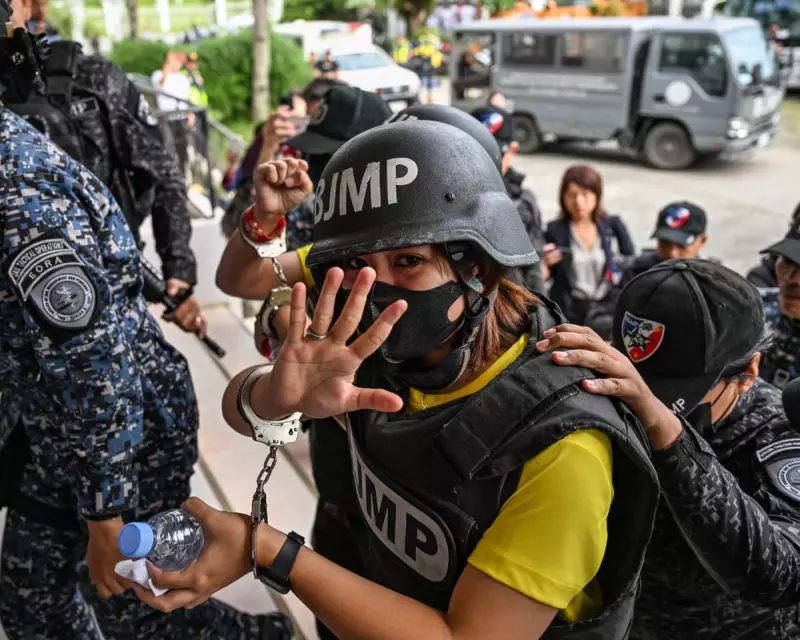
The 26-year-old journalist, who has already spent nearly six years in a crowded provincial prison awaiting trial, broke down in tears alongside her former roommate Marielle Domequil as the guilty verdict was read. Both women were acquitted on a separate, lesser weapons charge. Outside the courthouse, riot police blocked a crowd of supporters, including Cumpio's mother Lala, from entering the courtyard as the emotional scene unfolded.
International Condemnation and 'Red-Tagging' Allegations
The case has been closely monitored by global human rights groups, with Reporters Without Borders stating the ruling shows a "blatant disregard for press freedom." Beh Lih Yi, Asia-Pacific director of the Committee to Protect Journalists, called it "the first time a journalist has been charged with financing terrorism in the Philippines" and said it revealed President Ferdinand Marcos Jr's pledges to uphold press freedom as "nothing but empty talk."

Cumpio and her advocates have consistently maintained that she is a victim of "red-tagging" – a practice where the government links critics to the long-running communist insurgency to silence dissent. UN special rapporteur Irene Khan had previously stated the charges appeared to be "in retaliation for her work as a journalist."
Legal Proceedings and Family Anguish
The legal journey began in February 2020 when Cumpio and Domequil were arrested on weapons charges, accused of possessing a handgun and a grenade. More than a year later, the terror financing charge – carrying a potential 40-year sentence – was added to the case. Cumpio's lawyer, Norberto Robel, immediately announced plans to appeal the verdict, stating "there is still a legal remedy and pending application for bail."
The emotional toll on Cumpio's family has been profound. Her mother Lala, who visits monthly bringing groceries, medication, and chicken from Jollibee (though guards prohibit the accompanying gravy and soft drinks), expressed her constant worry. "My youngest keeps asking when his big sister will come home," she told AFP hours before the verdict. On Thursday, she broke down in tears outside the courthouse alongside her two sons as the decision was announced.
Broader Implications for Philippine Press Freedom
This case represents a significant escalation in the Philippines' treatment of journalists. Josa Deinla, one of Cumpio's lawyers, warned that the country's anti-terror law is being used "as a ready and convenient weapon against dissenters in this society." The Clooney Foundation for Justice had previously questioned the lengthy detainment, citing "repeated postponements and slow progress" in the proceedings.
In September, more than 250 journalists and media groups called on President Marcos to release Cumpio, describing the charges as "trumped up." Aleksandra Bielakowska of Reporters Without Borders emphasised that "the Philippines should serve as an international example of protecting media freedom – not a perpetrator that red-tags, prosecutes and imprisons journalists simply for doing their work."
As the appeal process begins, this case continues to spotlight the precarious state of press freedom in the Philippines and the human cost of legal proceedings that rights groups describe as a "travesty of justice."