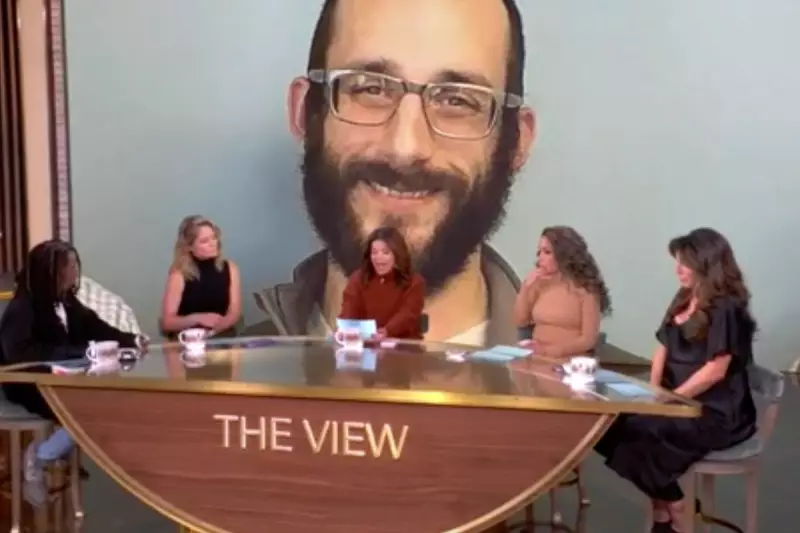
The View co-host Ana Navarro has launched a scathing critique of the Trump administration, alleging systematic deception in the wake of the fatal shooting of Minneapolis ICU nurse Alex Pretti by Immigration and Customs Enforcement (ICE) agents. Navarro, 54, used her platform on ABC's talk show to highlight what she describes as a pattern of gaslighting by federal authorities.
Navarro's Fiery Accusations on National Television
During a segment aired on Monday, Navarro addressed the tragic incident that occurred on Saturday, where Pretti was fatally shot while holding a camera. She drew parallels to the recent killing of fellow Minnesotan Renee Good, suggesting a disturbing trend of unchecked violence by ICE agents. "ICE agents are told they have immunity after killing Good, and they go out and do it again," Navarro asserted. "They are emboldening and empowering the lawlessness and the abuses of power that are going on by some of these federal agents."
The Dangerous Perception of Cameras in Law Enforcement
Navarro's most poignant remark centred on the administration's alleged fear of transparency. "This government does something that I'm not used to saying about a US government. It lies to the citizens. It lies to the people," she declared. "And so for them a camera is just as dangerous as a gun because they don't want people to see the truth. They don't want people to see the cruelty that they are inflicting." This statement underscores her view that the administration prioritises concealing its actions over accountability.

Context of the Incident and Broader Implications
The shooting of Alex Pretti has sparked outrage and debate, particularly as it follows the similar case of Renee Good. Navarro's comments come amid reports that a Fox News pundit falsely accused Pretti of "literally" pulling a gun on ICE agents, adding to the controversy. This incident raises critical questions about:
- The use of force by federal agents in civilian encounters.
- The role of media and public perception in shaping narratives around law enforcement actions.
- The potential for systemic issues within ICE regarding accountability and transparency.
Navarro's outspoken criticism reflects growing concerns over civil liberties and government honesty, positioning this event as a flashpoint in ongoing discussions about immigration enforcement and police brutality in the United States. As investigations continue, the call for truth and justice remains at the forefront of public discourse.