A New South Wales court has delivered a landmark ruling declaring that emergency powers used to restrict public protests in the aftermath of the Bondi Beach massacre were unconstitutional and breached fundamental freedoms. The controversial legislation, which was rapidly passed through the NSW Parliament in December, granted the police commissioner unprecedented authority to prohibit residents from seeking authorisation for rallies in key Sydney areas for up to three months following a terror attack.
Legal Challenge and Court Decision
While the state government defended the laws as essential for maintaining public order and peace, activist organisations including the Palestine Action Group and Blak Caucus mounted a legal challenge. In a significant decision handed down on Thursday, Chief Justice Andrew Bell of the NSW Court of Appeal found that the measures imposed an 'impermissible burden' on various constitutional freedoms, effectively striking them down as unlawful.
Background of the Emergency Declaration
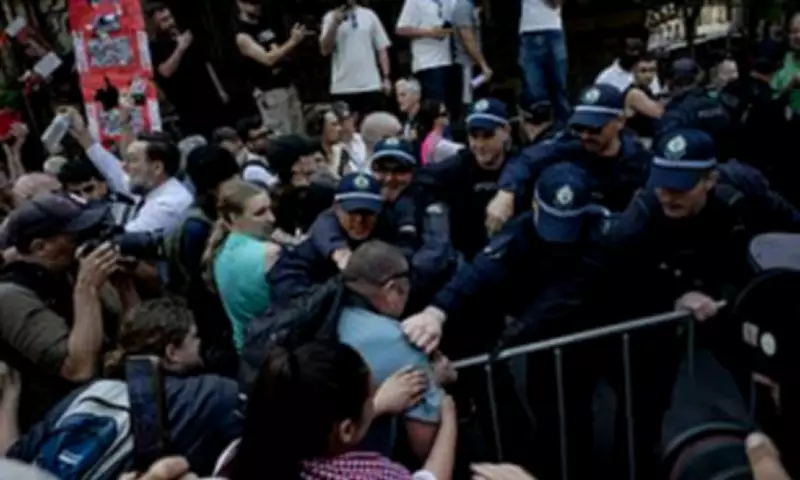
The emergency declaration was enacted after two gunmen opened fire on a Hanukkah celebration at Bondi Beach in mid-December, resulting in the tragic deaths of fifteen people. The restrictions remained in force until February, only being eased approximately one week after police violently dispersed a protest at Town Hall opposing Israeli President Isaac Herzog's visit to Australia.

During that crackdown, dozens of attendees were subjected to pepper spray, while others were physically beaten and arrested by law enforcement officers. The protest was also policed under a separate major events declaration that granted authorities broad powers to clear the area at their sole discretion, leading to widespread chaos and condemnation.
Government Defence and Activist Response
Ahead of the court's ruling, Premier Chris Minns continued to publicly support the legislation, acknowledging the inherent tensions involved. 'I'm not saying there weren't clashes, I'm not saying it wasn't difficult, and I don't regret moving that legislation at all,' Minns stated. 'It's tricky when you're introducing changes to legislation like that because there's a necessary infringement on constitutional principles. But there are other constitutional principles: the right of individual citizens to go about living their life free of intimidation, persecution or violence.'
In response to the court's decision, the Palestine Action Group has announced plans to hold a protest this Sunday, asserting their reclaimed rights to peaceful assembly. This development underscores the ongoing tension between state security measures and civil liberties in contemporary Australian society.