

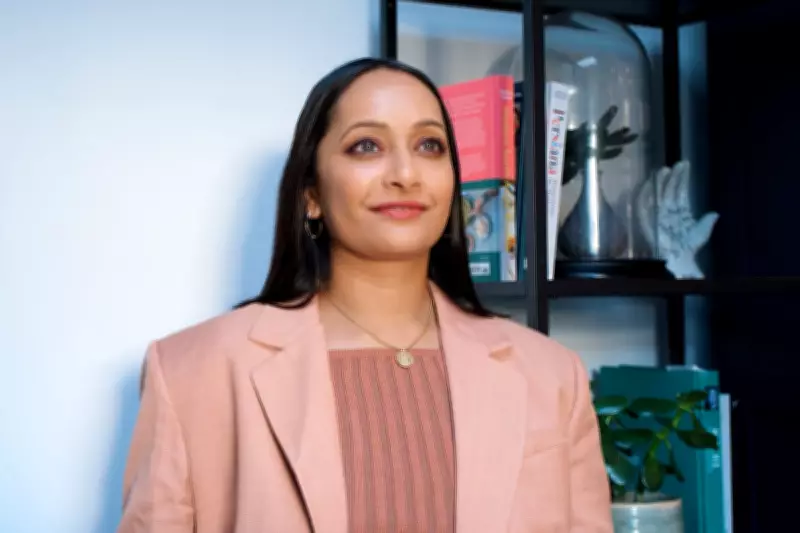
In a deeply personal reflection, author Poorna Bell opens up about her choice to remain childfree, urging society to move beyond simplistic judgments and embrace the diverse reasons individuals may not have children. Her insights, drawn from her own experiences of love and loss, highlight the need for greater understanding and normalisation of this life path.
The Unoriginality of Opinion
Bell recounts how the grief of losing her husband to suicide taught her how unoriginal people can be when expressing opinions on things they cannot comprehend. This lesson was further underlined by her decision to be childfree. She notes that when someone reveals they do not want children, common responses include assertions like "you'll never know a love like it," "who will look after you when you are older?," "it's selfish not to have children," or "you don't want to regret not having them." These comments, she argues, can be unimaginably cruel to those who desire children but face struggles with conception or finding a partner.
Questioning Harmful Tropes
Bell emphasises the importance of normalising the questioning of these societal tropes. For instance, the mindset of "who will look after you when you're older?" has contributed to the misery of the sandwich generation—the current cohort of fiftysomethings burdened with caring for both their children and elderly parents, often leading to significant health issues from this double responsibility. She advocates for a shift towards respecting personal choices without imposing opinions on others' bodies, recognising that children bring joy but that humanity is not at risk of extinction, allowing space for individual autonomy.

The Reality of Childfree Choices
Choosing to be childfree, as Bell has, does not imply a hatred of children or a devaluation of nurturing abilities. She points out that fertility rates in the US and UK have reached all-time lows, driven not only by personal choice but also by factors such as inability to find a partner, financial constraints, and fertility issues. This broader context underscores the complexity behind decisions about parenthood.
The Child That Never Was
Bell shares a poignant story about the child she never had, named Aroha, envisioned as an emblem of her love with her husband Rob. On rare occasions, she imagines Aroha's thick dark curls and wonders about her eye colour—whether they would have been her greenish-blue or Rob's deep blue. This reflection is not always sorrowful; it represents a moment of possibility that was ultimately closed due to Rob's addiction, making it impossible to guarantee a safe and good life for a child.
Love and Intentionality
Despite not experiencing motherhood, Bell explains that her love for this could-be child was profound enough to prioritise what was best for Aroha over personal desire. This decision has shaped her life, making her more intentional and preventing her from feeling on autopilot. She rejects the notion that being childfree is either a utopia, as portrayed in some online clap-back videos, or a sad existence, instead embracing it as a valid and fulfilling path.
Freedom and Societal Inclusion
Bell cherishes the freedoms of being childfree, such as financial independence, ample sleep, and not having to shelve her own needs. However, she acknowledges a real fear about aging without children, not as a retirement plan but as a concern for having someone who cares enough to ensure her well-being. She calls for better societal inclusion for childfree individuals, arguing that one's worth should not be tied to procreation.
Extracted from her new book, 'She Wanted More: Reimagine Your Future and Live by your Rules,' Bell's narrative challenges readers to rethink assumptions about family and personal fulfillment, advocating for a world where all choices are respected and supported.






