Indigenous Australians Launch $1.5bn Legal Action Over Asbestos Contamination
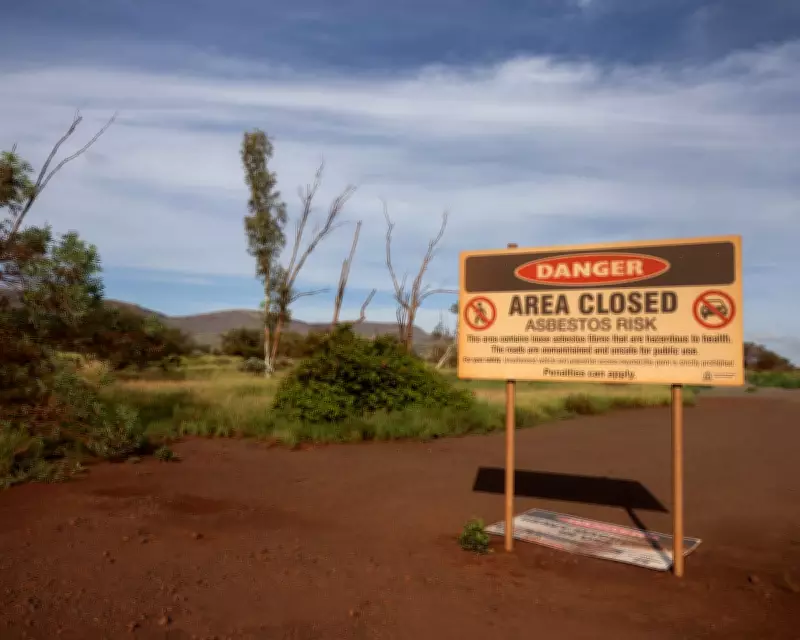
The Banjima people, traditional owners of land in Western Australia's Pilbara region, have initiated a $1.5bn legal claim against the state government. This action seeks to address decades of contamination from blue asbestos mines at Wittenoom, a site notorious for one of Australia's worst industrial disasters.
The Scale of Contamination and Health Impacts
More than 3 million tonnes of toxic waste, dumped by blue asbestos mines operating from 1943 to 1966, remain on the land. This has earned Wittenoom the grim distinction of being the largest contaminated site in the southern hemisphere. Blue asbestos, the most hazardous form, causes mesothelioma, a deadly cancer, with fibres that persist indefinitely in the environment.
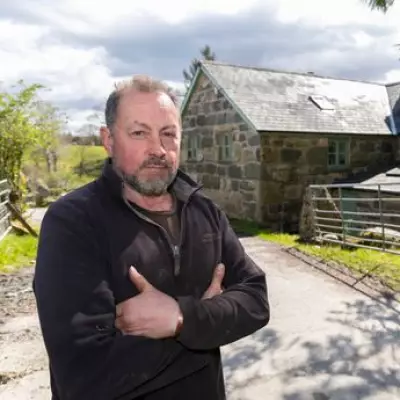
Johnnell Parker, a Banjima traditional owner and deputy chair of the Banjima Native Title Aboriginal Corporation (BNTAC), highlighted the profound impact. "They've disconnected us from that place of Country that we can't visit anymore," she said. Parker noted that every family in the now-shuttered town has been affected by mesothelioma, with personal losses and ongoing fears among those who played in asbestos tailings as children.

Legal Proceedings and Historical Context
BNTAC filed a statement of claim in the federal court, arguing that the contamination prevents the exercise of native title rights. The corporation seeks court orders for the WA government to seal three abandoned mines, clear tailings dumps, and remove asbestos from sites like the Wittenoom racecourse and airport.
Represented by Peter Gordon, a senior partner at Gordon Legal, BNTAC points to government inaction. Gordon, who won the first asbestos compensation case related to Wittenoom in 1988, recalled visiting in 1987 and stepping on blue asbestos fibres that remain today. "It's still there – it's never been cleaned up," he stated, criticising the 2022 legislation to close the township without removing any waste.
Financial and Environmental Stakes
Preliminary engineering estimates place the cleanup cost at $1.5bn. Gordon contrasted this with the WA government's mining royalties, citing $70bn earned since 2016. "All of these problems are manageable, they're just expensive," he said, emphasising the cultural, health, and environmental degradation at stake.
A 2016 study revealed that Indigenous Western Australians have the world's highest mesothelioma mortality rate, largely linked to Wittenoom. Despite a 1994 government committee recommending state responsibility for remediation, little progress has been made.
Government Response and Future Steps
WA Premier Roger Cook expressed no surprise at the legal action, following discussions with Banjima representatives last September. "I would prefer a negotiated outcome, but I absolutely and fundamentally respect their right to seek justice," he said, acknowledging Wittenoom as a dreadful part of history. The case is set for a management hearing on 9 April in Perth, with two mines historically run by Australian Blue Asbestos, founded by Lang Hancock.