

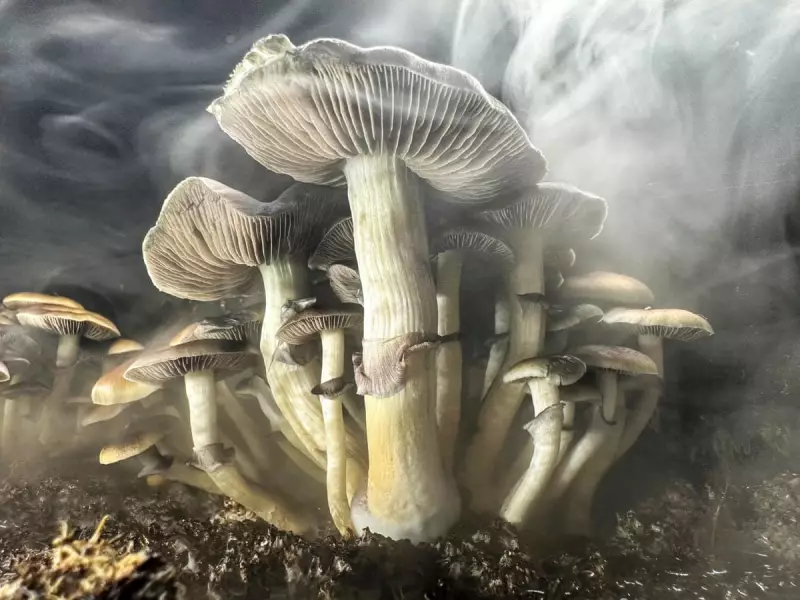
In the basement of a Connecticut home, psilocybin mushrooms grow in a humidified monotub. Across the United States, a quiet revolution is unfolding where faith and federally banned substances intersect. A burgeoning movement of psychedelic churches is successfully challenging drug laws, securing legal protections to use mind-altering compounds as central tenets of their religious practice.
The Legal Frontline: Churches vs. The DEA
Psychedelics, classified as Schedule 1 substances, remain prohibited across most of America. However, a small but determined group of religious organisations has carved out exceptions through protracted legal battles. Since the 2000s, four groups have won legal protections for sacramental psychedelic use after facing off against the Drug Enforcement Administration (DEA).
The landmark case began at the turn of the century when authorities seized 30 gallons of ayahuasca tea from a religious group in New Mexico. In 2006, the church sued the DEA under the Religious Freedom Restoration Act (RFRA) and won, establishing a crucial precedent. This law requires the government to meet a very high legal standard before it can burden someone's religious exercise.

This victory set a new standard. A similar case succeeded in Oregon three years later. More recently, in 2024 and 2025, churches in Arizona and California secured legal protections through settlements with the DEA. Attorney Sean McAllister, who specialises in psychedelic law, notes that three new psychedelic practices have been recognised in the last year alone – "more than half of all the ones ever recognised".
A New Path to Legitimacy: The Petition Process
Previously, churches had to engage in costly litigation. Now, a new route exists: directly petitioning the DEA. Organisations must prove their religious practices are sincere and substantially burdened by drug laws. This path has gained traction, with the DEA receiving petitions from 24 organisations between fiscal year 2016 and January 2024.
The Church of Gaia in Spokane, Washington, became the first to succeed via this petition route earlier this year, avoiding a lawsuit. Led by ceremonial leader Connor Mize, the church serves ayahuasca – a potent psychedelic brew known to induce profound, and at times physically purging, experiences. "This is a purely spiritual practice," Mize insists. "It's not a thing you do just for fun."
Their approval followed a nearly three-year process focused on proving ayahuasca would be used solely for religious purposes. With its status secured, the church of nearly 70 members plans to build a dedicated ceremony space and bring Peruvian teachers to the US.
Rapid Growth and Inherent Risks
The movement is expanding rapidly, coinciding with a broader American shift away from traditional religion toward personal spirituality. A 2023 Pew Research survey found four in ten US adults have become more spiritual over their lifetime, while only 24% say they have become more religious.
Jeffrey Breau of Harvard's Center for the Study of World Religions estimates there are likely over 500 psychedelic churches operating across the US, many founded in the last five to seven years.
Yet operating at this frontier carries significant risk. Bridger Jensen, founder of the Utah-based church Singularism, which uses psilocybin mushrooms, was arrested in November after an undercover officer infiltrated the group. A Swat team raided their centre in Provo, confiscating mushrooms and charging Jensen.
Singularism fought back using Utah's state-level RFRA, halting criminal proceedings, recovering its seized psychedelics, and winning permission to continue operating while its federal case proceeds. If successful, it would become the first mushroom church ever recognised in the US, potentially opening doors for other substances.
Thus far, all exempt churches use ayahuasca, partly due to its lower risk of diversion. However, underground groups use a variety of substances including LSD, MDMA, and newer chemicals like 2C-B, raising future legal questions about multi-sacrament practices.

Legal experts suggest the movement might find even more favourable conditions under the Trump administration, given its emphasis on protecting religious rights. McAllister, who is working on two new lawsuits for ayahuasca churches, speculates there may be "some desire to be a little looser on religious freedom for plant medicine".
Despite the momentum, pioneers like Jensen warn of the dangers. "I think some people will end up going to jail having tried to replicate our process," he cautions. While he believes more practices will gain recognition, he fears it "won't be without tremendous casualties as well." As these churches emerge from the shadows, they continue to test the delicate balance between sacred conviction and federal control.





