Smart Glasses Covertly Film Women for Viral Social Media Content
Women have come forward to describe feelings of profound violation after discovering they were secretly filmed by strangers wearing smart glasses, with the covert footage subsequently uploaded to social media platforms like TikTok and Instagram. The BBC has spoken to multiple women in the UK, the United States, and Australia who have been targeted in this disturbing new trend.
Personal Experiences of Covert Recording
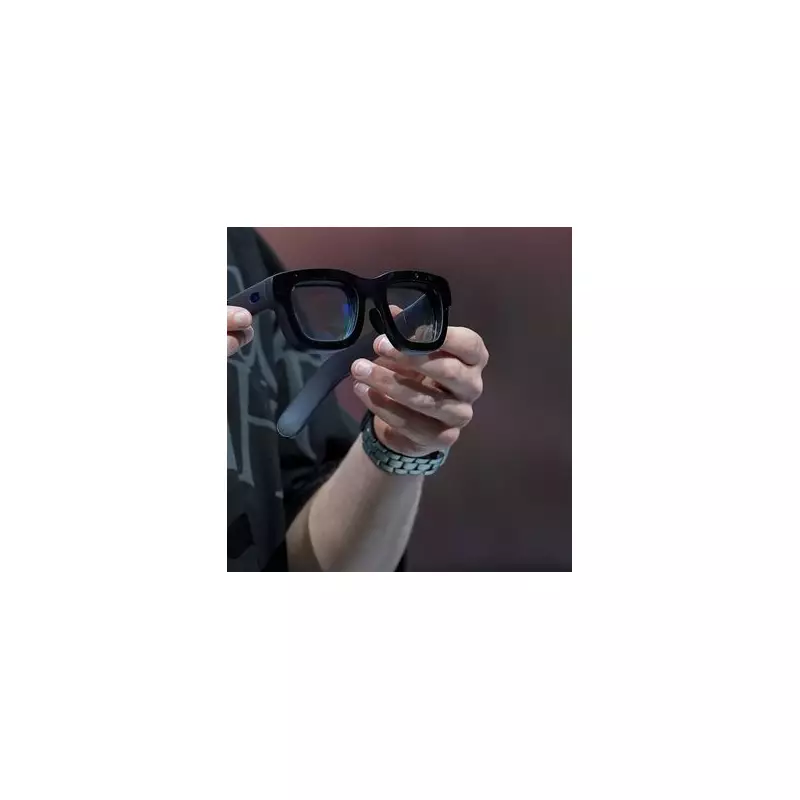
Dilara, a 21-year-old retail worker from London, was on her lunch break when a tall man approached her. He initiated a conversation, remarking "I swear red hair means you've just been heartbroken" before asking for her phone number as they entered a lift together. Unbeknownst to Dilara, the man was covertly recording their entire interaction using his Ray-Ban Meta Smart Glasses, which resemble ordinary eyewear but contain a discreet camera.
The footage was posted to TikTok, where it amassed 1.3 million views. Dilara only discovered the video the following day when a friend alerted her. "Your heart just drops, and you can't do anything. I just wanted to cry," she told the BBC. Her phone number was visible in the video, leading to a barrage of harassing messages and calls.

In a separate incident, Kim, 56, was filmed last summer on a beach in West Sussex by a different man wearing smart sunglasses. He began chatting by complimenting her bikini. During their conversation, Kim shared personal details about her employer and family, completely unaware she was being recorded. The man later posted two videos online under the guise of offering dating advice, which garnered 6.9 million views on TikTok and over 100,000 likes on Instagram.
A Widespread Social Media Phenomenon
The BBC investigation identified hundreds of similar short videos on TikTok and Instagram, posted by dozens of different male influencers. These individuals typically claim to provide advice on how to approach women, with most footage appearing to have been recorded secretly using Meta smart glasses. Many influencers monetise this content through client advice services.
Both Kim and Dilara described the experience as deeply violating and believe urgent changes are necessary. "Nobody's got the right to film other people and exploit them and sexualise them, make money out of them without their permission," Kim asserted, calling for new legislation to protect individuals from non-consensual filming.
Legal and Regulatory Landscape
Privacy lawyer Jamie Hurworth explained to the BBC that UK law currently contains no specific prohibition against filming someone in public without their consent. However, he emphasised that "being in a public place doesn't necessarily mean it's 'fair game' to be filmed and then have that video uploaded online."
Rebecca Hitchen of the End Violence Against Women Coalition criticised smart glasses manufacturers, accusing them of "prioritising profit over women's safety and wellbeing, and need to instigate safety measures."
Platform and Manufacturer Responses
When Dilara initially reported the video to TikTok, the platform informed her that their review found no policy violations. However, TikTok subsequently removed the content and stated to the BBC that they would eliminate videos breaching community guidelines on "bullying and harassment."
Meta, whose smart glasses have sold an estimated two million pairs between October 2023 and February 2025, told the BBC their devices feature an LED light that activates during recording or photography. The company claims this makes recording status clear to others and includes tamper-detection technology to prevent wearers from covering the light. Nevertheless, the BBC has observed multiple online videos demonstrating methods to cover or disable this indicator light. None of the women who spoke to the BBC recall seeing any recording indicator light.
Political Response and Calls for Action
Minister for Safeguarding and Violence Against Women and Girls Jess Phillips issued a strong statement to the BBC, declaring: "Covert filming of women and girls is vile, and we will not let anyone profit from it."

This emerging issue highlights significant gaps in privacy protection as wearable technology becomes increasingly sophisticated and widespread, raising urgent questions about consent, digital ethics, and corporate responsibility in the social media age.