Downing Street has announced a major overhaul of its system for briefing political journalists, a move immediately condemned by the press corps as a threat to government transparency and accountability.
What Changes Are Being Made?
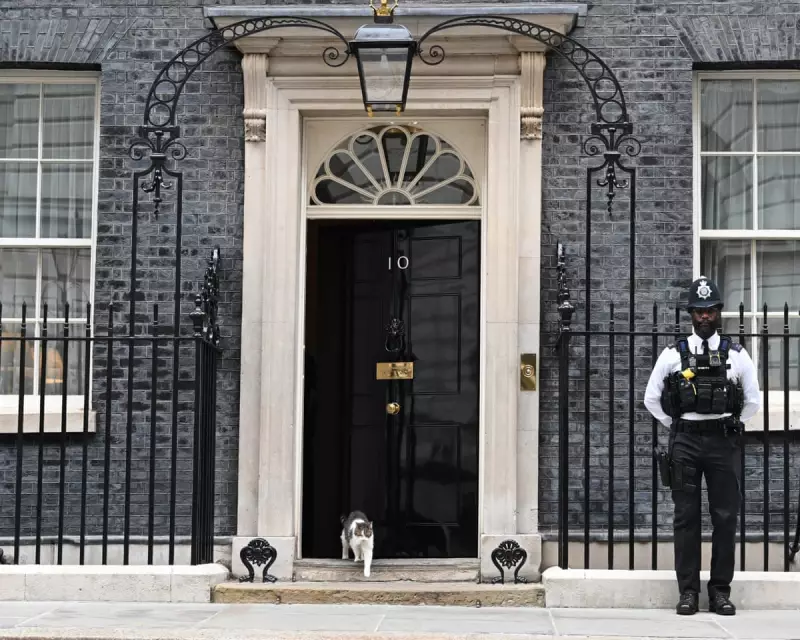
In a surprise email to journalists on Thursday, Tim Allan, Downing Street's executive director of communications, declared the current lobby system 'not fit for purpose'. He confirmed that from next month, the regular afternoon lobby briefings held inside 9 Downing Street will be scrapped entirely.
These daily sessions, where the prime minister's official spokesperson faces questions from accredited Westminster reporters, are a long-standing fixture. They are on the record but not broadcast, allowing for extended and wide-ranging interrogation on any topic.

Allan stated that the afternoon briefing had become 'very sparsely attended' and often repeated lines from the morning. In its place, Number 10 will hold 'occasional' afternoon press conferences with ministers and technical briefings with officials.
Journalists React with Fury and Concern
The announcement provoked an angry and unified response from the political media. The organisation representing lobby journalists issued a joint statement from David Hughes of PA News and Lizzy Buchan of the Mirror, the outgoing and incoming lobby chairs.
'We are greatly concerned by this step and furious that the lobby was not consulted,' they said. 'This move restricts access and, we fear, scrutiny. Downing Street will obviously control the timetable for [ministerial] press conferences and will no doubt seek to choose who they take questions from. None of this bodes well for transparency.'
The core concern is that formal press conferences, unlike the open lobby briefings, typically allow only a limited number of questions from pre-selected journalists, severely curtailing the depth of scrutiny.
A New Morning Format and Political Fallout
The morning lobby briefing will continue, but Allan revealed it would sometimes be replaced by a press conference. These sessions could feature ministers or even Prime Minister Keir Starmer 'setting out the main government announcements of the day'. They will be opened up to specialist journalists and social media content creators.
The political opposition was quick to seize on the changes. Conservative leader Kemi Badenoch pledged that a future Tory government would restore the afternoon briefings, accusing Starmer of 'running scared'. 'This is a Labour government that hates scrutiny and blames everyone else for its failings,' she said.
This significant restructuring of the decades-old lobby system marks a decisive shift in how the government communicates with the political press, raising fundamental questions about access and accountability at the heart of UK democracy.