UK Government Under Fire for Tech Deals Tied to Mandelson's Lobbying Firm
The UK government is facing intense scrutiny after awarding significant contracts to US technology companies OpenAI and Palantir, both of which were clients of Global Counsel, a lobbying firm co-founded and part-owned by Peter Mandelson. This has sparked widespread concerns over transparency and potential conflicts of interest in public procurement processes.
OpenAI Agreements and Lobbying Links
In 2024, OpenAI, the maker of ChatGPT valued at $500 billion, was a client of Global Counsel. Shortly after, Keir Starmer appointed Mandelson as ambassador to Washington. Subsequently, OpenAI signed a memorandum of understanding with the UK government to explore deploying AI in justice, security, and education systems. In September, it secured another deal to provide 2,500 ChatGPT licences to civil servants, starting in the Ministry of Justice.
Global Counsel's work for OpenAI was declared on the official register of lobbyists, but it has prompted questions about the San Francisco-based company's agreements with the British government. A spokesperson for OpenAI stated that the deals were managed directly by their London-based teams and did not rely on Global Counsel for connections or engagement with the UK government.

Palantir Contracts and Defence Procurement
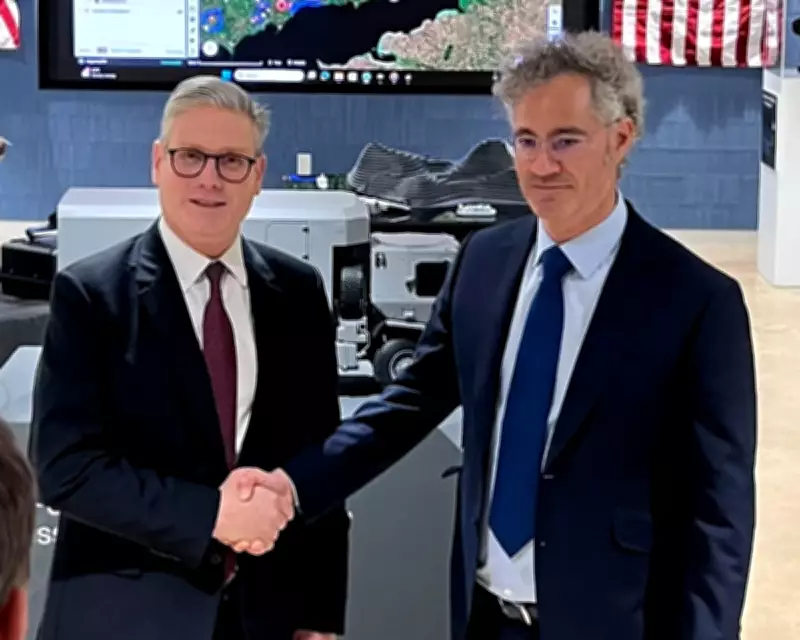
Global Counsel's clients also included Palantir, a US defence technology company that has secured over £500 million in contracts with the NHS and the Ministry of Defence. In February 2025, Keir Starmer and Alex Karp, Palantir's chief executive, met at the firm's offices in Washington DC. Following this meeting, the MoD awarded Palantir a £241 million military contract without an open tender.
MPs have piled pressure on the government to reveal how this deal came about, amid unanswered questions about the meeting. Defence minister Luke Pollard told parliament that the decision was solely made by defence secretary John Healey and insisted that Mandelson had no influence. However, opposition MPs, including Labour's Clive Lewis and the Liberal Democrats, have accused the government of obfuscation and called for the contract to be scrapped or details published.
Historical Context and Ethical Concerns
When establishing Global Counsel in 2010, Mandelson shared his idea with Jeffrey Epstein, a convicted child sex offender, that the firm would provide "advisers on the politics of deals you want brokered." He sought Epstein's help to find "rich individuals" as clients, according to emails released as part of a US Department of Justice investigation.
Donald Campbell, director of advocacy at the tech fairness campaign group Foxglove, highlighted the growing list of American companies with "Peter Mandelson-shaped question marks" over their UK government deals. He urged the government to come clean and reveal full details to ensure public interests were prioritised.
Government Response and Ongoing Demands
A spokesperson for Global Counsel stated that they played no role in the formation or negotiation of the OpenAI MoU or the commercial agreement with the MoJ and have publicly declared all relevant work. The government was approached for comment but has not provided a detailed response.
Shadow defence secretary James Cartlidge questioned why the meeting between Starmer, Mandelson, and Palantir was not minuted and demanded publication of correspondence and documentation related to the £241 million defence contract. Pollard responded that the government intends to "publish as much material as we can as soon as reasonably possible."
Meanwhile, OpenAI recently appointed George Osborne as its head of OpenAI for countries, a role he described as helping societies share the opportunities of AI technology. It is understood that Mandelson was not involved with Global Counsel's work for OpenAI or its agreements with the UK government, but the connections continue to fuel debates over ethics and transparency in government dealings with big tech.