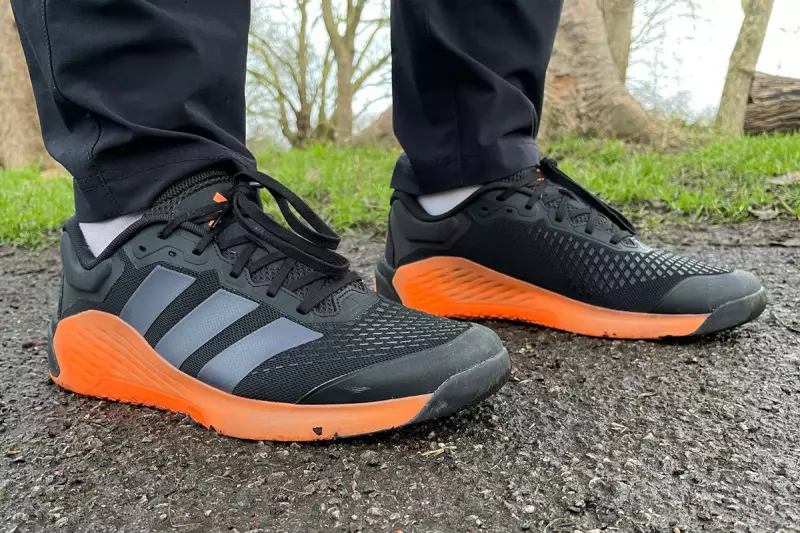
As a fitness writer, I was among the first to get my hands on the all-new Adidas Dropset 4 training shoe ahead of its January 2026 launch. For the past month, these have been my go-to footwear for the gym, providing a comprehensive test across a wide range of disciplines. The question on every fitness enthusiast's mind is simple: does this shoe, billed as Adidas's "most versatile functional training shoe to date," actually deliver?
A Crowded Market No Longer a Two-Horse Race
The landscape for dedicated gym footwear has evolved dramatically. Gone are the days when the choice was simply between the Nike Metcon and the Reebok Nano. Today, brands like Adidas, Puma, and R.A.D. are major players, with specialists like Inov-8 also commanding loyal followings. Each brand has carved its niche: Puma targets the Hyrox crowd, R.A.D. dominates CrossFit boxes, and Adidas is aiming squarely at the broad church of the hybrid athlete. The Dropset 4 is their latest volley in this competitive space.
First Impressions: Lighter, Sleeker, More Nimble
Unboxing the Dropset 4, the immediate differences from its predecessor are apparent. The shoe is significantly lighter, coming in at 316g for a UK 10.5, compared to 410g for the Dropset 3. This weight saving translates to a noticeably more nimble feel on the foot. The design is sleek, and comfort straight out of the box is excellent, thanks to plush padding around the heel and tongue.

A crucial note for buyers: the fit runs small. I ordered half a size up and would consider a full size up on reflection. The new Repetitor foam in the midsole promises more energy return, and initial wear suggests a livelier ride. Perhaps most enticing is the price point: launching at £110, it undercuts key rivals like the Nike Metcon 10 and R.A.D. One V2 by around £20.
Put Through Its Paces: From Heavy Lifts to HIIT
My testing regimen was designed to assess true versatility. The shoe's first major test was a heavy leg day. During squats with weights exceeding 100kg, the redesigned heel provided exceptional stability with no unwanted compression, living up to Adidas's weightlifting heritage. My only critique was a desire for a slightly wider forefoot for optimal toe splay.
Where the Dropset 4 marks a genuine leap forward is in dynamic, high-intensity workouts. For years, Adidas shoes were strong on lift-specific stability but less adept at CrossFit-style WODs or HIIT circuits. This model changes that. In sessions blending dumbbell snatches, double-unders, and box jumps, the shoe performed admirably. The new grooved Continental outsole offered superb grip, and a less rigid midfoot construction allowed for better flex during plyometrics.
The promised "runnability" was tested with workouts interspersing functional exercises with 800m running intervals. The shoe handled these transitions seamlessly, feeling spritely and comfortable. While the midsole is a marked improvement, it doesn't quite match the boundless energy of the R.A.D. One V2, but it significantly outperforms the Nike Metcon 10 for running elements.
Verdict: A Top Contender for the Do-It-All Gym Shoe
After a month of rigorous testing, the Adidas Dropset 4 stands as the brand's best training shoe by a considerable margin. It is a compelling, value-for-money option that genuinely bridges the gap between heavy lifting and high-intensity conditioning.
For whom is this shoe ideal? If your training has a lifting bias, you have narrower feet, and you prioritise value, the Dropset 4 should be at the top of your list. For those whose training is purely CrossFit-focused, the R.A.D. One V2's more energetic midsole might still edge it. Similarly, the Inov-8 F-Lite Max's wider forefoot could be preferable for Olympic weightlifting purists.
Ultimately, gym shoe choice involves personal preference in fit, feel, and style. However, the Adidas Dropset 4 has earned its place as a key contender in the versatile trainer market. My advice is to add it to your shortlist, try it on for sizing, and prepare for a very solid fourth outing for the Dropset range.

How We Tested
This review is based on extensive, real-world use over one month by certified fitness coach and journalist Harry Bullmore. The shoes were assessed during:
- Strength training (heavy squats, deadlifts)
- Olympic weightlifting (cleans, snatches)
- CrossFit workouts and high-intensity interval training
- Gymnastic drills and plyometric exercises
- Mixed-modal workouts featuring running intervals
Key assessment criteria included comfort, stability under load, support during dynamic movement, durability, and overall value for money.