US Athletes Voice Outrage Over ICE Violence and Police Militarisation
Prominent American athletes have spoken out forcefully against what they describe as rising fascism and state violence in the United States, following a series of controversial operations by federal immigration authorities.
Minneapolis Operations Spark Nationwide Concern
The catalyst for this wave of athlete activism was the death of Alex Pretti, a 37-year-old nurse killed by Department of Homeland Security officials in Minneapolis in January 2026. This incident followed the earlier killing of Renee Good by DHS forces, with both deaths occurring during what has been termed "Operation Metro Surge." This operation has reportedly accounted for two-thirds of homicides in Minneapolis during 2026.
NBA star Tyrese Haliburton was among the first athletes to respond, posting on social media that "Alex Pretti was murdered" shortly after the incident. His statement prompted numerous other current and former athletes to voice their concerns, including Victor Wembanyama, Breanna Stewart, and Karl-Anthony Towns.

Athletes Decry 'Natural Progression' of Police Militarisation
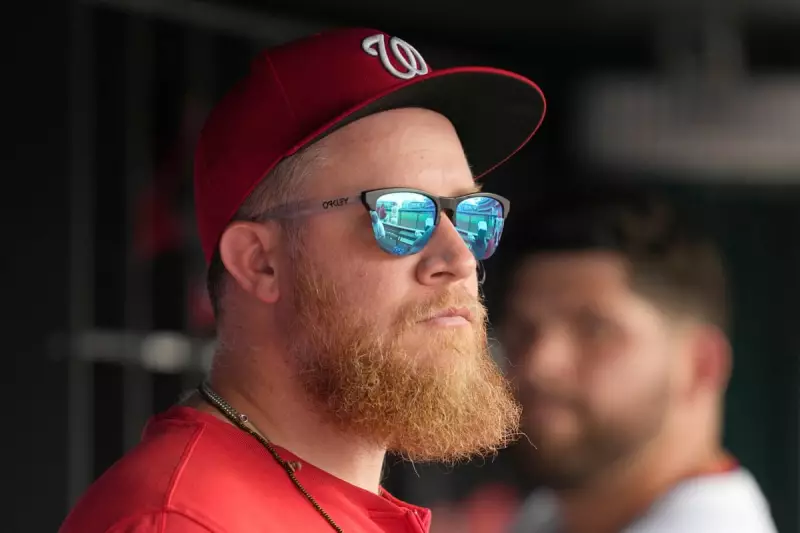
Two-time MLB All-Star Sean Doolittle, who won the World Series with the Washington Nationals in 2019, expressed particular concern about the direction of law enforcement in America. "What we're seeing play out in our cities feels like the natural progression of militarizing our police forces," Doolittle stated.
He continued: "It doesn't make it any less infuriating that on some level, this has felt inevitable since the federal surge began in LA and DC last summer. DHS has an incredibly violent history. Many people have said that things like this don't happen in America. But in many ways the violence exhibited by DHS and federal agents mirrors the tactics used by law enforcement in Black and Brown communities for decades."
Former Basketball Star Warns of 'Fascism Here Now'
McKenzie Forbes, a former Harvard and USC women's basketball star now playing for Athletes Unlimited, offered a stark assessment of the current situation. "I am sickened and outraged by the most recent public executions carried out by the state in Minnesota," Forbes said.
"I think it is representative of the current state of our country that these government officials act with such audacity and impunity in broad daylight. Fascism is here now and if we as the people do not get organized with our neighbors it will only continue to get worse."
Broader Pattern of Immigration Enforcement Violence
The Minneapolis incidents occur against a backdrop of increasing concerns about immigration enforcement practices. In 2025, DHS reported removing over 622,000 people from the United States, while 32 people died in ICE custody during the same period - marking the deadliest year in the agency's two-decade history.
An October 2025 investigation further revealed disturbing patterns of sexual assault and forced labour targeting transgender and queer detainees at the South Louisiana ICE Processing Center.
Community Response and Athlete Responsibilities
Former Seattle Seahawks wide receiver Doug Baldwin Jr., who won the Super Bowl in 2013, emphasised the human cost of these operations. "How could you not be upset? I mean, no matter where you land on the political spectrum, I would hope that human decency would consider the human toll of these situations," Baldwin said.
Athletes expressed differing views on their responsibility to speak out. Forbes believes "athletes 100% have a responsibility to speak out against state repression as we have plenty of eyes on us at all times," while Baldwin suggests that "everyone has a responsibility to contribute to our collective consciousness in whatever way they are able to do so."
Looking Forward with Concern and Determination
Doolittle expressed particular concern about international athletes who will be visiting the United States for upcoming events like the World Baseball Classic, Olympics, and World Cup. "Those athletes will see it too, and some of them may be at risk," he warned.

Despite the grim assessment, athletes found hope in community responses. Doolittle noted: "What we saw here in DC - community organizers, rapid responders, legal observers, random neighbors and bystanders coming together and stepping up - is what we are seeing in every other city experiencing similar DHS enforcement surges."
Baldwin concluded with cautious optimism: "It does feel bleak, at times, right now. And, sadly, I am expecting it to get worse before it gets better. But I know it will get better."