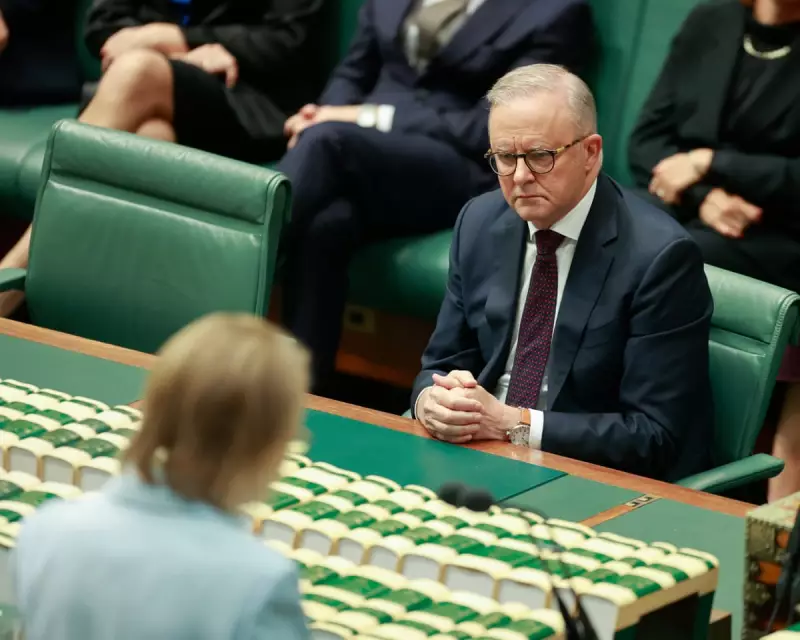
The Australian government is on the cusp of passing what it calls the nation's most stringent hate speech legislation, following intense negotiations in the wake of the Bondi Junction terror attack. A special parliamentary sitting in Canberra has seen late-night talks between the ruling Labor Party and the opposition Liberals, with a deal now seemingly within reach.
Bipartisan Deal Emerges from Tragedy
Negotiations continued into the early hours of Tuesday morning as politicians worked to finalise the legislative response to last month's deadly assault at Bondi Beach. The proposed laws are set to introduce new powers for the federal government to legally designate extremist organisations, alongside the controversial hate speech provisions. While the Liberal Party is expected to support a watered-down version of the bill, the Nationals have signalled potential opposition, citing concerns over the breadth of the new proscription powers.
Home Affairs Minister Tony Burke expressed growing confidence, stating, "I think we're really close." He acknowledged the final laws would not be as robust as the government initially desired but emphasised that they would still represent "the strongest hate speech laws that Australia's ever had." The political momentum follows emotional tributes in parliament on Monday for the victims of the Bondi attack, where fifteen people lost their lives.

Key Provisions and Political Divisions
The legislative package, split from broader draft laws after weekend criticism, is set for a two-year review by the powerful Parliamentary Joint Committee on Intelligence and Security (PJCIS). Amendments agreed upon by Labor and the Coalition will also require the opposition to be consulted on the listing and delisting of hate organisations. However, the PJCIS's own report, released early Tuesday, revealed a split, with Coalition members issuing a dissenting report labelling the bill "poorly drafted" and "inadequately consulted on."
Nationals backbencher Matt Canavan has been a vocal critic, warning against a clause relating to "economic and psychological harm" and pledging to vote against the legislation. Attorney General Michelle Rowland defended the provisions, noting they mirror existing regimes for listing terrorist organisations. Meanwhile, separate gun control laws, triggered by the Bondi attack, are set to pass with Greens support, establishing the largest gun buyback scheme since the 1996 Port Arthur massacre.
Criticism and the Path Forward
Nationals leader David Littleproud criticised the gun law focus as a diversion from tackling antisemitism, arguing that better policing, not licensing, was the core issue. "The authorities did not act and take away the license and the weapons as they should have," he stated. Despite these divisions, Shadow Home Affairs Minister Jonathon Duniam indicated the Coalition, under Sussan Ley's leadership, was ready to support the revised hate speech plan, aiming to "minimise or completely ameliorate unintended risk."
With Prime Minister Anthony Albanese and Opposition Leader Sussan Ley having met on Monday to discuss amendments, the stage is now set for a historic vote. The outcome will shape Australia's legal framework for combating extremism and hate speech for years to come, marking a direct legislative response to the tragedy that unfolded at Bondi.