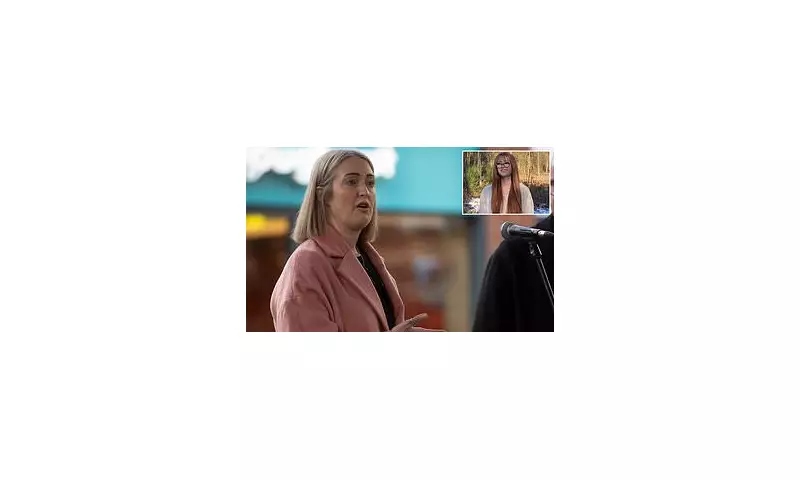
The mother of murdered teenager Brianna Ghey has intensified pressure on Prime Minister Sir Keir Starmer to endorse a ban on social media access for children under 16. Esther Ghey, whose 16-year-old daughter was killed by two 15-year-olds, has written directly to the Prime Minister alongside a coalition of bereaved parents, urging him to support new legislative restrictions.
Cross-Party Pressure Ahead of Lords Vote
Ms Ghey and other parents who have lost children to online-related harms have written to the leaders of the three main political parties—Sir Keir Starmer, Conservative leader Kemi Badenoch, and Liberal Democrat chief Sir Ed Davey. Their plea comes ahead of a crucial vote in the House of Lords this week.
Peers are scheduled to vote on an amendment to the government's Children's Wellbeing and Schools Bill. This amendment would place a legal requirement on social media companies to prevent children under the age of 16 from creating user accounts. The parents have called on the party leaders to instruct their peers in the Lords to support this change.

In their collective letter, they stated the measure would be a 'vital step in better protecting children online', adding that 'no parent should have to live with the consequences of a system that failed to protect their child'.
A Mother's Personal Testimony and Wider Concerns
In her separate correspondence, Esther Ghey detailed how Brianna developed a 'social media addiction' and faced mental health struggles from the age of 14. She wrote not only as Brianna's mother but as part of a group of parents whose children were harmed by online content, including grooming by predators, dangerous challenges, and exposure to self-harm and suicide material.
'Again and again, parents describe the same pattern,' Ms Ghey wrote. 'Children being drawn into online spaces that normalised exploitation, risk, and self-destructive behaviour, often hidden from the adults who were desperately trying to protect them.'
She challenged the argument that vulnerable children need social media to find community, stating that in Brianna's case, it limited her real-world social interactions and exacerbated her eating disorder and self-harm. Ms Ghey warned of a 'profound loss of childhood', with an entire generation's potential consumed by addictive platforms.
Political Divide and Internal Labour Pressure
The Prime Minister's position appears to be under significant pressure from within his own party. While Sir Keir told the Observer last month he was not personally in favour of a blanket ban, preferring content control, he stated on Monday that he needs to 'do more' to safeguard young people online and that 'no options are off the table'.
This shift follows a separate letter from 61 Labour MPs, led by Fred Thomas, urging the government to emulate Australia's ban. The MPs warned that Britain risks being left behind as other nations like Denmark and France consider similar moves. They cited research showing over 500 children a day referred for anxiety treatment in England and linked social media use to increased depression rates.
Health Secretary Wes Streeting has voiced support for action, while Conservative leader Kemi Badenoch also backs a ban. However, the proposal faces opposition from some campaigners and charities, including Ian Russell, whose daughter Molly died in 2017. They argue a ban could drive children to less regulated spaces and advocate for better enforcement of existing laws instead.
The upcoming Lords vote, on an amendment tabled by former Tory minister Lord Nash, will be a critical test of the political will to enact one of the strictest online safety measures proposed in the UK.