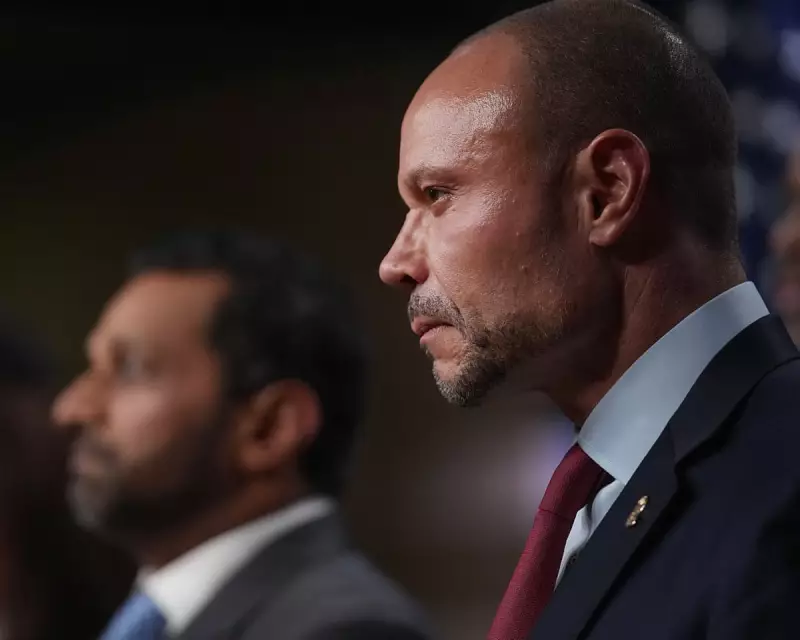
Dan Bongino, the deputy director of the FBI, has confirmed his resignation, effective from January. The former Secret Service agent turned prominent podcaster announced his decision to step down from the bureau's number two role in a social media statement on Wednesday 17 December.
Departure Confirmed Amid Reported Tensions
In his statement, Bongino expressed gratitude to President Donald Trump and FBI Director Kash Patel. He also thanked Pam Bondi, the Attorney General, despite reports of clashes between them. These tensions reportedly stemmed from Bondi's decision not to release files from the federal investigation into the late financier and convicted sex offender Jeffrey Epstein.
The news outlet MS Now first reported Bongino's plans, citing eight sources briefed on his account. They indicated he had quietly informed confidants of his intention to leave early in the new year and would not be returning to FBI headquarters this month. Bongino had reportedly considered making the announcement official on Friday.

Trump's Reaction and Political Fallout
When questioned by reporters about the resignation earlier on Wednesday, President Trump praised Bongino's performance. "Dan did a great job," Trump stated, before adding, "I think he wants to go back to his show." This comment references Bongino's successful career as a conservative talk show host and podcaster prior to his government appointment.
Bongino's departure is one of several significant developments in US politics on 17 December. In a separate move, the White House revised the plaques beneath presidential portraits along the "Presidential Walk of Fame," inserting President Trump's personal critiques, including labelling Joe Biden as "the worst president in American history."
Other Key Developments from 17 December
In Congress, a bipartisan coalition achieved a major legislative manoeuvre. Four Republican members joined with Democrats to force a vote on a bill extending Affordable Care Act (Obamacare) subsidies for three years, dealing a setback to House GOP leadership.
Meanwhile, the Trump administration moved to dismantle the National Center for Atmospheric Research in Colorado, a key climate science facility. Officials accused the centre, described by supporters as a "crown jewel" of research, of promoting climate "alarmism."
Other notable events included:
- The US Senate passing a $901bn defence policy bill that includes support for Ukraine and Europe.
- The Federal Communications Commission (FCC) chair suggesting the agency is not independent, as the word was removed from its online mission statement.
- The Senate confirming billionaire private astronaut Jared Isaacman as the new NASA administrator.
- A federal judge blocking the administration from laying off hundreds of federal employees.
The convergence of these events underscores a period of significant transition and political contention within the US government as the year draws to a close.