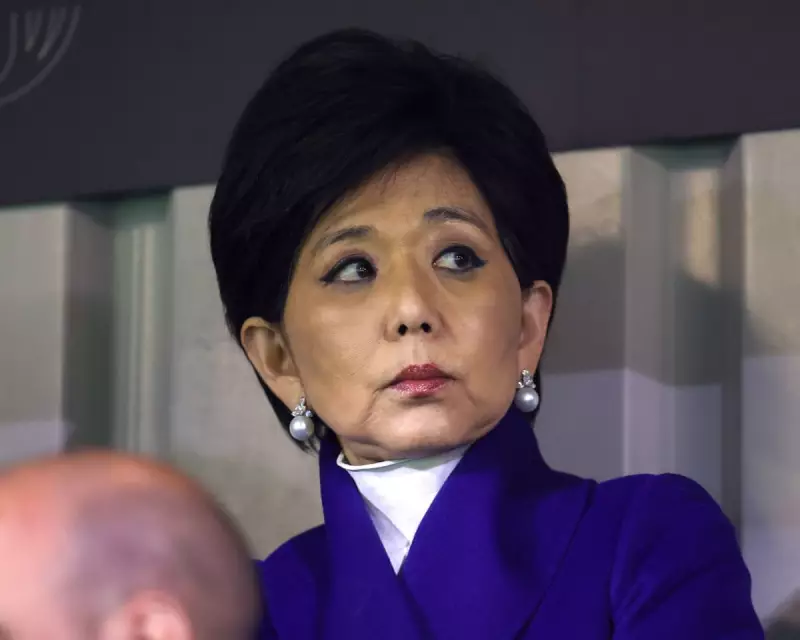
In a move that has sparked debate across the football world, Michele Kang, the owner of the Washington Spirit, has extended her financial influence in women's football by sponsoring the inaugural FIFA Women's Champions Cup. This development follows her substantial $30 million donation to US Soccer in 2024, marking a significant yet controversial investment in the sport.
Philanthropy or Conflict of Interest?
US Soccer hailed Kang's initial donation as a historic and philanthropic gesture, the largest ever for women's football in the country, aimed at fostering growth through initiatives like the Kang Women's Institute. However, the recent sponsorship deal with FIFA through her multi-club ownership organisation, Kynisca, has raised eyebrows. Critics argue that this creates a clear conflict of interest, as Kang owns three women's clubs, including OL Lyonnes and London City Lionesses, which aspire to compete in top-tier tournaments like the Champions Cup.
FIFA's Justification and Public Perception
FIFA has defended the partnership, stating it is for the 2026 edition only and that no Kynisca-associated clubs are participating in this year's competition. The governing body emphasised that the sponsorship supports broader efforts to advance women's club football through innovation and coaching development. Despite these assurances, perceptions among partisan supporters and rival clubs are fraught with suspicion. The arrangement risks accusations of bias, especially if Kang's teams qualify for future FIFA events, such as the Women's Club World Cup scheduled for 2028.

Tom Garry, a commentator on the issue, notes that the women's game, while in need of investment, must tread carefully to avoid compromising integrity. He draws parallels to men's football, where similar sponsorships by club owners would likely trigger widespread backlash. The potential for Kang to benefit financially from future tournaments, such as through prize money distributions, adds to the ethical dilemmas.
Broader Implications for Women's Football
The situation highlights a broader challenge in women's sports: balancing the urgent need for funding with maintaining impartiality. Kang's supporters point to her track record of donations, including $4 million to the USA women's rugby sevens team, as evidence of her genuine commitment to advancing women's athletics. Yet, the core issue remains—FIFA's acceptance of funds from a club owner sets a precarious precedent.
As the Women's Champions Cup unfolds this week in London, featuring teams like Arsenal Women, the spotlight on this sponsorship deal intensifies. Fans and analysts alike are left questioning whether the sport's governing bodies can safeguard against conflicts of interest while nurturing growth. The damage to trust may already be done, with future tournaments likely to be scrutinised for any hint of favouritism.
In conclusion, while Michele Kang's investments are undeniably boosting women's football, FIFA's decision to partner with her organisation raises critical questions about ethics and governance. The sport must navigate these waters carefully to ensure that financial support does not come at the cost of competitive fairness.