Mexican President Claudia Sheinbaum announced on Friday that FIFA representatives will soon visit Mexico to evaluate security and mobility arrangements for the upcoming 2026 World Cup. This move comes amid heightened scrutiny following deadly cartel violence that erupted earlier in the week.
Security Concerns After Cartel Violence
The country's capability to co-host the tournament has been under intense review after the army killed powerful drug lord Nemesio Oseguera Cervantes on Sunday. The operation and its violent aftermath resulted in 70 fatalities, with cartel members setting cars ablaze to block streets across various states, particularly in Jalisco. Guadalajara, a city scheduled to host four World Cup matches, was among the affected areas.
Despite these incidents, FIFA President Gianni Infantino expressed "full confidence" in Mexico as a host during a phone call with Sheinbaum on Thursday. Sheinbaum reinforced this sentiment in her daily briefing, stating, "He assured me that the World Cup would be held in our country. We agreed that a FIFA team would definitely come to review several issues. We've been working on this for a long time, but the issue of security is particularly important, of course."

Ongoing Security and Event Cancellations
Sheinbaum did not specify the dates for the FIFA visit but emphasized that the situation had returned to normal with enhanced safety measures. However, security worries persist for Guadalajara, as evidenced by World Aquatics canceling a Diving World Cup set for next week near the city. Sheinbaum noted that CONADE, the government sports authority, is attempting to persuade World Aquatics to relocate the event to another Mexican city, adding, "We're working with them to try and get this international tournament back. We still have faith that we can get this tournament back."
Mobility Challenges in Host Cities
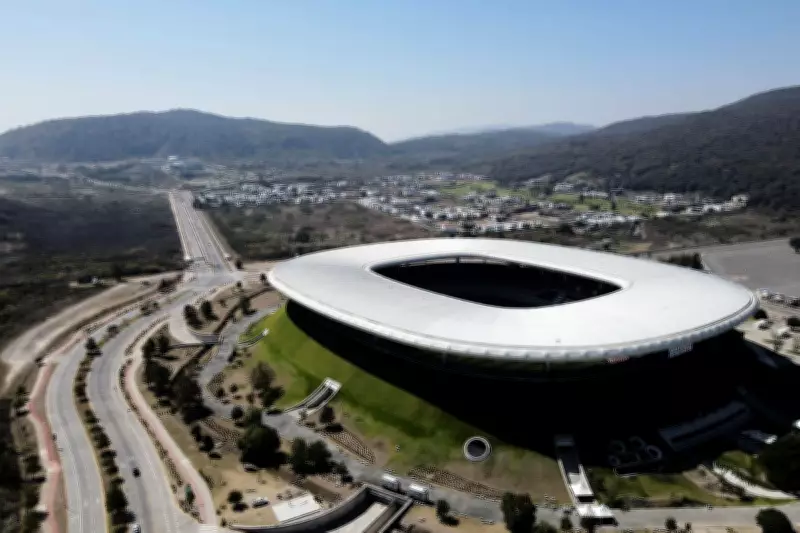
With less than 100 days until the first match on June 11 at Azteca Stadium, mobility issues remain a critical focus. The three Mexican cities hosting World Cup matches are grappling with transportation infrastructure problems. In Mexico City, efforts are underway to upgrade a light rail line that provides the fastest route to Azteca Stadium. Monterrey is still constructing its subway train, while the Guadalajara stadium lacks public transportation, though it features a large open parking lot.
Sheinbaum highlighted that Infantino specifically requested attention to traffic management in these cities to ensure smooth mobility for attendees. She said, "(Infantino) also asked me to look at the issue of traffic in the three cities in order to guarantee the mobility of all those who will be attending the stadiums and so on, among other issues that we are working on."
The upcoming FIFA assessment aims to address these security and logistical hurdles as Mexico prepares to co-host the prestigious global event.