World Cup 2026 Faces Unprecedented Boycott Threats Amid Political Turmoil
When FIFA awarded the hosting rights for its flagship tournament to the United States, Mexico, and Canada back in 2018, the notion of a widespread boycott seemed utterly far-fetched. Fast forward to today, and the landscape has shifted dramatically. The escalating political climate, particularly in the United States under President Donald Trump, has injected a palpable tension into the build-up to the 2026 World Cup, transforming it from a celebration of sport into a potential geopolitical flashpoint.
Immigration Policies Cast a Shadow Over the Tournament
The practical challenges for fans and players are already becoming starkly apparent. Travel plans for supporters from footballing nations like Senegal and Ivory Coast were thrown into chaos in December when the Trump administration extended a travel ban, effectively barring entry unless visas were already secured. Players and fans from Iran and Haiti, both of whom have qualified, face similar daunting hurdles for matches such as the one scheduled in Los Angeles on 16 June.
The situation is further complicated by the anticipated presence of U.S. Immigration and Customs Enforcement (ICE) agents. Their confirmed attendance at events like the upcoming Milan Cortina Winter Olympics has sparked international outrage, with Milan's mayor declaring them "not welcome." The prospect of ICE agents operating during World Cup matches in American cities, where fans from across the globe will congregate, has become a central concern, symbolising a tournament environment at odds with its spirit of international unity.

A Growing Chorus for Moral and Political Action
The calls for action are growing louder and coming from significant figures within the football world. Former FIFA president Sepp Blatter has publicly advocated for a fan boycott of matches held in the United States. Oke Göttlich, an official with the German Football Association (DFB), has explicitly called for a reconsideration of participation, drawing a direct parallel to the US-led boycott of the 1980 Moscow Olympics.
This moral argument is gaining traction: an increasing number of observers believe that withdrawing from the competition could be the most powerful statement against the current U.S. administration's policies, both domestic and foreign. The potential absence of football powerhouses like England, France, and Germany would strike at the heart of the spectacle, directly challenging President Trump's anticipated desire to centre himself within the global event.
Historical Precedents and the Reluctance to Act
However, history suggests that such principled stands often falter when faced with the reality of the tournament. The 2018 World Cup in Russia proceeded despite the nation's annexation of Crimea and state-sponsored doping scandals. Similarly, the 2022 tournament in Qatar went ahead with minimal substantive protest, despite widespread criticism of the host nation's human rights record. The England team's swiftly abandoned plan to wear a rainbow captain's armband in Qatar exemplified the frequent gap between symbolic gesture and meaningful action.
Official responses so far indicate a strong reluctance to enact a boycott. The French government has stated it does not favour such a move, with Sports Minister Marina Ferrari emphasising the separation of sport and politics. The Danish Football Association has acknowledged the "sensitive situation" but stopped short of advocating withdrawal. For many world leaders, the domestic political capital gained from being associated with a successful national team on the world stage appears to outweigh any ethical imperative to take a stand.
A Tournament Transformed by Tension
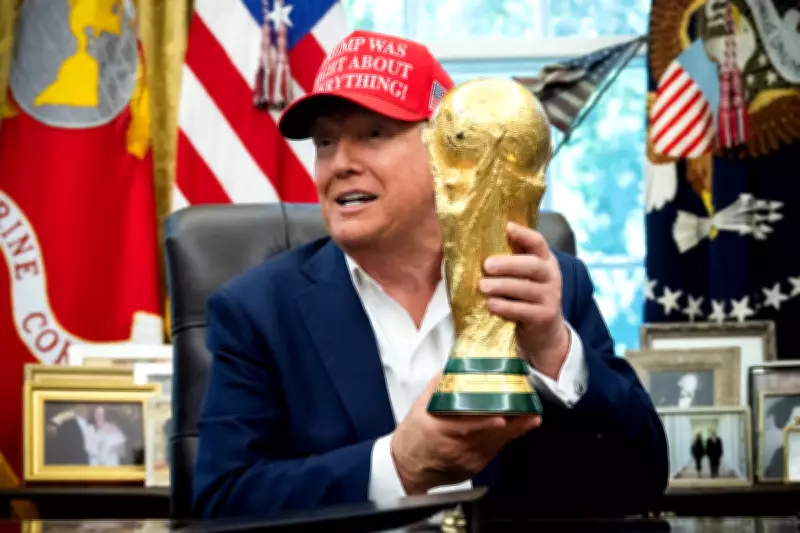
What was envisioned as a North American football festival now risks becoming a bureaucratic and political obstacle course. From Donald Trump's enthusiastic embrace of the event as a platform—including the controversial presentation of a specially crafted FIFA Peace Prize—to the very real barriers facing international fans, the 2026 World Cup is shaping up to be the most politically fraught in living memory.

While a full-scale boycott remains unlikely, the persistent discussion itself is a powerful indictment. It highlights how deeply political currents have polluted the fabric of this global sporting carnival, turning it into a referendum on American leadership and the world's willingness to play ball with a nation that many feel is rapidly dismantling long-held international norms.