John Curry's Olympic Triumph and Trailblazing Legacy Revisited
Fifty years ago, John Curry made history by becoming the first British male figure skater to win a gold medal at the Winter Olympics, a feat that catapulted him into the global spotlight. Less than two decades later, he once again demonstrated remarkable courage by publicly revealing his HIV status in an effort to demystify the disease and combat stigma. Despite his groundbreaking contributions to men's skating and his role as one of the first high-profile openly gay sports figures, Curry's legacy has somewhat faded from public memory. Now, a new biography, a dedicated play, and plans for an ice show aim to reignite recognition for his enduring impact.
Biography Sheds Light on a Complex Genius
Bill Jones, author of the biography Alone: The Triumph and Tragedy of John Curry, spent months delving into Curry's life through private correspondence and interviews with family and friends. Jones describes Curry as one of the bravest individuals he has ever encountered, noting that Curry revolutionized figure skating by subverting and reconstructing the sport with his magical performances. However, Curry's refusal to comply with the skating establishment often made him unpopular, contributing to his gradual slip from the public psyche. Jones emphasizes that Curry was a genius but also controversial, dark, and complicated, with memories of his skating still bringing tears to those who knew him.
Olympic Glory and Personal Struggles
Curry's journey to Olympic gold began with winning his first British title in 1971, followed by training in the US and Canada, which led to medals at world and European levels in 1975. In 1976, he was crowned both World and European champion before securing his historic Olympic gold in Austria. Actor Tony Timberlake, among the 20 million UK viewers who watched Curry's performance, was so inspired that he created a one-man show, Looking For John, and campaigned for a blue plaque at Curry's old home. Timberlake recalls Curry as a crucial positive role model for young men in 1976, celebrating his courage to be himself in an era when effeminate men were rarely taken seriously.

Public Scrutiny and Financial Challenges
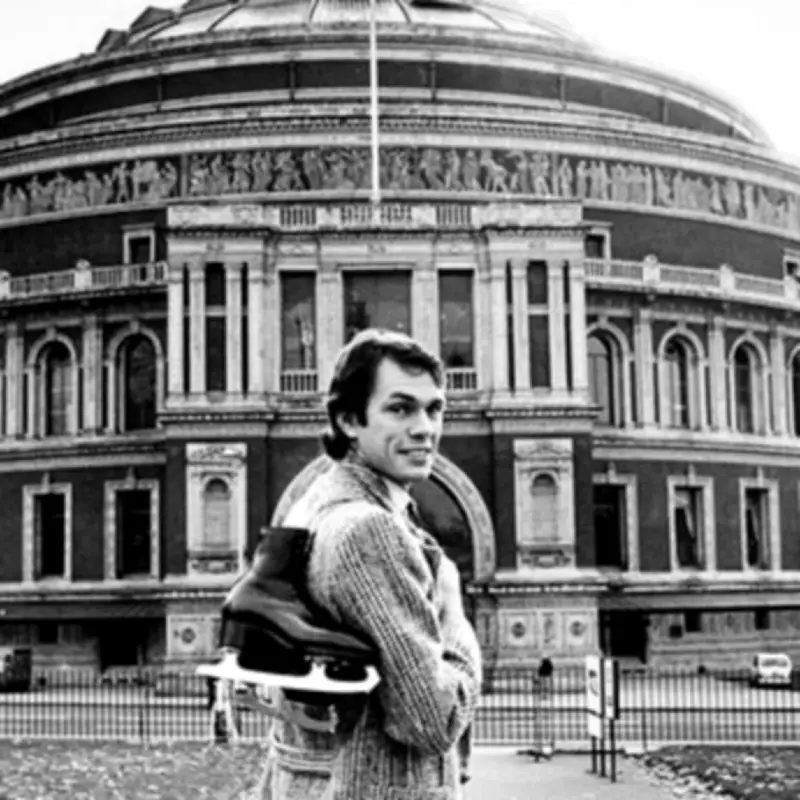
Shortly after his Olympic win, Curry's sexuality became public, a move that biographer Bill Jones believes was deliberate to counter innuendo and homophobia. Curry later reflected on the burdens of fame, describing the medal as bringing both accolades and chains. Despite being named Sports Personality of the Year, Curry faced personal lows, including hurtful incidents at public events. He moved to the US to pursue his dream of leading a professional ice show touring company, performing at prestigious venues like The Royal Albert Hall and Madison Square Gardens. However, these ventures proved financially draining, ultimately bankrupting him due to high costs and the unique nature of his skating style.
Courageous HIV Disclosure and Final Years
In 1987, Curry was diagnosed with HIV, later progressing to AIDS. Facing financial strain, he sold his medals and returned to live with his mother, Rita. In a bold final act, he invited a national newspaper to document his condition, sitting on his doorstep to show the world the ravages of the disease. Jones notes that this was a deliberate effort to raise awareness and seek help, rather than just a financial move, as many at the time kept their AIDS diagnoses private. Curry died in 1994 at age 44 from a heart attack, leaving behind a legacy of bravery both on and off the ice.
Reviving Curry's Legacy Through Art and Performance
Today, efforts are underway to honor Curry's memory. Tony Timberlake is considering reviving his one-man show, describing Curry as a forgotten gay hero whose story remains relevant. Lorna Brown, a friend and fellow skater, is organizing an ice show in Curry's memory to celebrate the 50th anniversary of his Olympic win and is seeking sponsors on both sides of the Atlantic. Robin Cousins, a fellow Olympian, reflects that Curry's innovative approach to skating continues to influence modern athletes, encouraging them to think creatively. As the world watches new skaters at events like the Winter Olympics, Curry's pioneering spirit endures, reminding us of his lasting impact on sports and society.