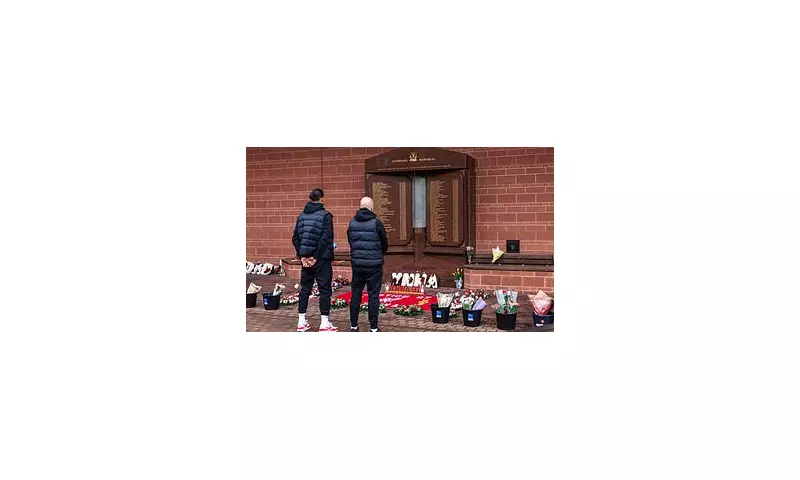
The Labour government has been forced into a significant retreat, pulling its entire Hillsborough Law from parliamentary debate after a fierce backlash from bereaved families and its own backbench MPs.
Last-Minute Withdrawal Following Failed Talks
The dramatic move came late on Sunday night, with government whips withdrawing the Public Office (Accountability) Bill just hours before its scheduled Third Reading in the House of Commons on Monday. This followed a weekend of crisis talks between Whitehall officials and campaigners, which ultimately failed to reach an agreement.
Ministers had initially hoped to salvage the legislation by making amendments in the House of Lords. However, campaigners expressed deep unhappiness with this plan, insisting the core issues must be resolved in the elected Commons, not the unelected upper chamber. This stance prompted the government's decision to pull the bill entirely for now.

Controversial 'Duty of Candour' and Security Service Exemptions
The proposed law, officially named the Public Office (Accountability) Bill but widely known as the Hillsborough Law, was intended to prevent future institutional cover-ups. It was a direct response to the 1989 Hillsborough disaster, where 97 Liverpool fans died amid a major police cover-up.
At its heart was a new 'duty of candour', making it illegal for authorities to withhold information from official investigations and inquiries. The controversy erupted over government-proposed amendments that would have granted the heads of MI5, MI6, and GCHQ the power to decide what their agencies could disclose, citing national security.
Victims' families and supporting MPs argued this created a dangerous loophole, fundamentally undermining the law's purpose of forcing transparency. Greater Manchester Mayor Andy Burnham criticised the provision, saying it gave the security services 'too broad an opt-out'.
Personal Promises and Political Repercussions
The withdrawal risks being seen as a major U-turn for Prime Minister Sir Keir Starmer, who has made a personal commitment to the legislation. Last year, he shared a stage at the Labour Party conference in Liverpool with campaigner Margaret Aspinall, whose son James died at Hillsborough. She had praised him for 'keeping his word' by introducing the bill but insisted it must be brought in 'in all its entirety'.
Labour MP Ian Byrne, who was present at the 1989 disaster, said it would 'break my heart' to vote against the bill in its amended form. He stated the law was meant to change a culture of cover-ups and that, as drafted, that threat remained live.
A government spokesman said: 'This legislation will right the wrongs of the past... We must get this right to keep the country safe. We welcome continued support from victims and their families, making sure the Bill is the strongest it can possibly be while never compromising on national security.'
Justice Secretary David Lammy, the bill's sponsor, will now oversee further discussions. Sources confirmed the bill is expected to return at a later date, allowing time for a resolution that satisfies both campaigners and national security concerns.