

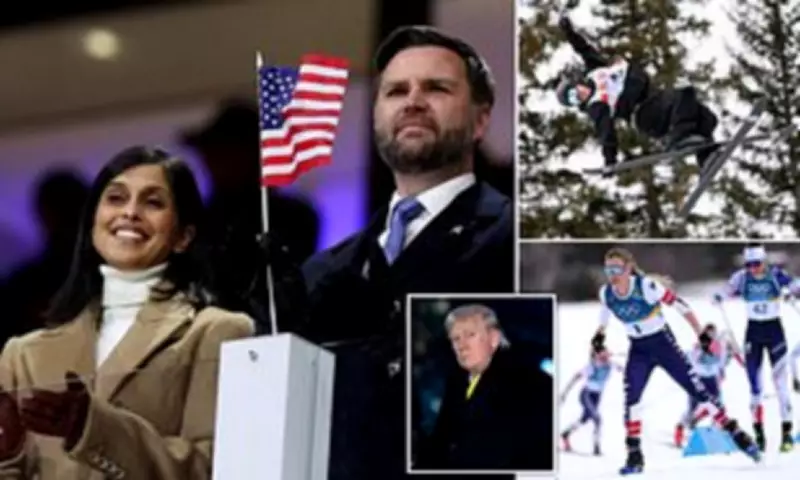
US Olympians Voice Discomfort Representing Nation Under Trump Administration
American athletes competing at the Winter Olympics in Italy have publicly expressed significant discomfort representing Team USA while Donald Trump serves as president. Several world-class competitors have shared their conflicted emotions about wearing the American flag during international competition, with their comments serving as direct criticism of the current administration's policies.
Athletes Speak Out Against Political Climate
Freestyle skier Hunter Hess from Oregon articulated the dilemma many athletes face during a recent press conference. "It brings up mixed emotions to represent the US right now, I think. It's a little hard," Hess stated. "There's obviously a lot going on that I'm not the biggest fan of, and I think a lot of people aren't."
The athlete emphasized that wearing national symbols doesn't imply endorsement of all government actions. "Just because I'm wearing the flag doesn't mean I represent everything that's going on in the US," Hess explained. Instead, he views his Olympic performance as representing his personal values, friends, family, and "all the things that I believe are good about the US" on the global stage.

Trump's Forceful Response
President Trump responded aggressively to Hess's comments on his Truth Social platform, labeling the Olympic athlete a "real loser" who shouldn't have "tried out for the team" if he didn't want to represent the United States. "Very hard to root for someone like this," the former president posted, escalating the confrontation between the administration and competing athletes.
Immigration Enforcement Sparks Particular Criticism
The athletes' comments emerged against the backdrop of violent clashes in Minneapolis, Minnesota between immigration enforcement agents and anti-ICE protesters that resulted in two American deaths last month. Women's hockey Olympian Kelly Pannek, who hails from Minnesota, specifically criticized Trump-era ICE raids that led to the fatalities in her home state during January 2026.
"I am most proud to represent Americans who brave the coldest days to advocate for their beliefs," Pannek stated, highlighting her support for immigration reform advocates. Freestyle skier and 2022 gold medalist Chris Lillis expressed similar sentiments, admitting he felt "heartbroken" over Trump-era immigration enforcement operations while maintaining he wouldn't want to represent any other country.
Conservative Backlash Intensifies
Conservative figures reacted with fury to the athletes' statements. Former Trump official Ric Grenell told Hess he should "move to Canada if you aren't proud to wear USA." Republican Congressman Byron Donalds, a Trump ally campaigning for Florida governor, joined the criticism, telling athletes to "go home" if they don't want to represent the US internationally.
"Some things are bigger than politics. You just don't get it," Donalds posted on X in response to Hess's remarks. The political division extended beyond government officials, with Super Bowl-winning NFL quarterback Brett Favre suggesting the Olympians were "inviting backlash with their words," and actor Rob Schneider accusing them of ingratitude.
More Subtle Forms of Protest
Other athletes employed less direct methods to express their political views. Cross-country skier Jessie Diggins posted on Instagram that she does "not stand for hate or violence or discrimination" and races for Americans who stand "for love, for acceptance, for compassion, honesty and respect for others."
Three-time US champion figure skater Amber Glenn addressed the pressure athletes face to remain apolitical. "It isn't the first time that we've had to come together as a community and try and fight for our human rights," Glenn stated at a pre-Olympic press conference, referencing challenges faced by the LGBTQ community under the current administration.

Broader Context of Political Sports
This controversy occurs as sports become increasingly political arenas for expressing social and political stances. The phenomenon extended to the recent Super Bowl, where Puerto Rican rapper Bad Bunny used the performance platform to express his beliefs and call attention to issues across the Americas. Notably, President Trump did not attend this year's Super Bowl in California, despite making history last year as the first sitting president to attend the NFL championship game in person.
The ongoing debate highlights the complex relationship between national representation, personal values, and political expression in international sports competitions, with American athletes navigating increasingly polarized domestic politics while competing on the world stage.





