Olympic Gold Medalist Amber Glenn Confronts Music Copyright Dispute and Political Backlash
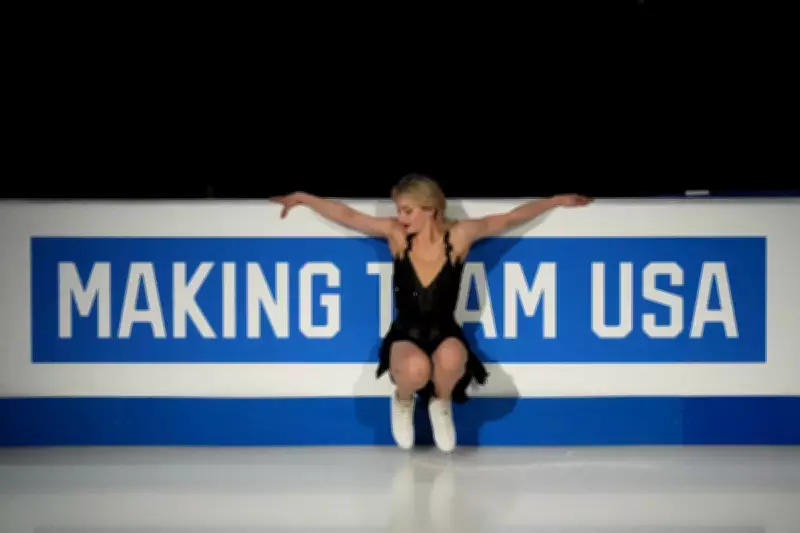
American figure skater Amber Glenn, who recently secured an Olympic gold medal in the team event at the Milan Cortina Games, finds her victory clouded by a dual controversy involving music copyright infringement and significant social media backlash. The emerging situation has cast a shadow over what should have been a celebratory period for the accomplished athlete.
Copyright Complaint Over Unauthorized Music Usage
Canadian recording artist Seb McKinnon, who performs under the name CLANN, publicly objected on social media platform X to the unauthorized use of his song "The Return" in Glenn's free skate routine. The track had been part of her performance for two years without incident, but its global broadcast during the Olympic competition prompted McKinnon's formal complaint.
"So just found out an Olympic figure skater used one of my songs without permission for their routine. It aired all over the world ... what? Is that usual practice for the Olympics?" McKinnon posted shortly after the team competition concluded.

McKinnon emphasized that his agreement with his record label specifically states: "The deal I have with my label is that I alone can give the OK to license my music."
Complexities of Figure Skating Music Permissions
The process for obtaining music permissions in figure skating is notoriously complex and multifaceted. Copyright ownership can reside with record labels, individual artists, or involve multiple parties simultaneously. Skaters frequently blend various musical cuts, further complicating clearance procedures.
Justin Dillon, director of high performance for U.S. Figure Skating, confirmed that the governing body has made efforts to assist skaters in avoiding copyright claims. However, it remains unclear what role, if any, the organization played in approving Glenn's music selection for her Olympic routine.
Historical Context of Copyright Issues in Figure Skating
Copyright disputes were historically rare in figure skating competitions. The International Skating Union (ISU) previously prohibited music with vocals, and most classical compositions fell within the public domain. However, when these restrictions were relaxed in 2014 to allow modern music, artists began demanding compensation for their creative work.
The issue gained significant attention during the 2022 Beijing Olympics when an independent artist objected to American pairs skaters Alexa Knierim and Brandon Frazier using their cover of "House of the Rising Sun." The resulting lawsuit prompted the ISU to develop systems to help skaters avoid copyright infringement claims moving forward.
Political Backlash and Social Media Threats
This copyright controversy represents the second significant issue involving Glenn at the Milan Cortina Games. The outspoken LGBTQ+ rights activist revealed she received numerous threats on social media following comments made during a pre-Olympics press conference.
Glenn stated that the queer community was enduring a "hard time" amidst the political climate under President Donald Trump, remarks that triggered substantial backlash from certain quarters.
"I was disappointed because I've never had so many people wish me harm before, just for being me and speaking about being decent — human rights and decency," Glenn said on Sunday night while wearing an LGBTQ+ pin on her team jacket during the medal ceremony. "So that was really disappointing, and I do think it kind of lowered that excitement for this."
Support from Fellow Skaters and Fans
Numerous fans and fellow athletes have rallied to Glenn's defense in both controversies. Retired Canadian pairs skater Meagan Duhamel, a two-time Olympian, commented: "I'd be so honored that someone wants to skate to my music and give the music some amazing exposure. I used a piece of music for the 2018 Olympics and the artist was so excited she flew to the Olympics to listen and watch it live."
Similarly, after Nathan Chen won gold at the Beijing Games with a free skate set to "Rocket Man," Elton John effusively praised the American's performance and later collaborated with Chen on a music video project.

Glenn's Perspective on the Copyright Situation
In comments made to The Associated Press ahead of the Winter Games, Glenn expressed confusion about the sudden emergence of copyright issues in her sport: "It's never been an issue and then suddenly it is, and I don't understand why. I understand there was a big upset at the last Olympics because some artist — I'm sorry, they decided to be (jerks). Like, they couldn't just appreciate this Olympic team competing?"
She continued: "It wasn't even their song to begin with; it was a cover. It's not like we're a TV show and playing music in the background for an emotional scene. It just feels like a cash grab for different companies, and it's really upsetting that they can't just appreciate that their music has inspired something creative."
Looking Ahead to Individual Competition
Glenn was unavailable for comment on the music copyright issue early Monday as she had planned a day off from training before departing Milan to prepare elsewhere for the individual women's event. The short program for that competition commences on February 17, with Glenn expected to compete despite the surrounding controversies.
Messages left by The Associated Press with U.S. Figure Skating regarding Glenn's copyright situation have not yet been returned as of Monday morning.
Alysa Liu, a fellow member of the gold medal-winning U.S. team, underscored the fundamental importance of music to their sport: "We really rely on our music. Without music, we're not really our sport." This statement highlights the complex relationship between athletic performance and artistic expression that lies at the heart of figure skating's current copyright challenges.